2026 Best Different Types of Cable for Global Buyers?

Time:2026-09-20 Author:Oliver
0%

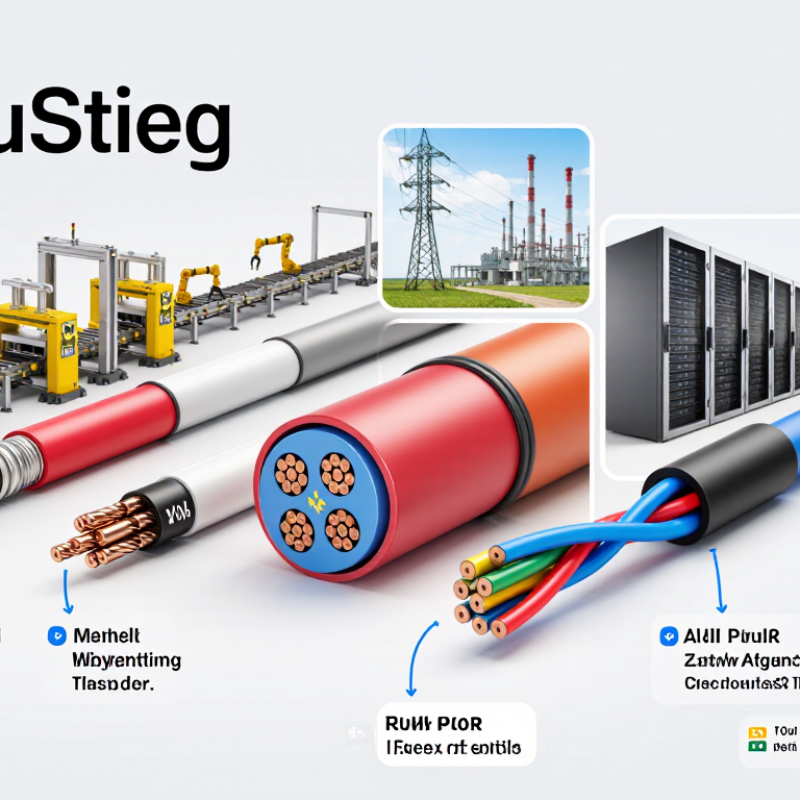
Choosing the right Different Type Cable in 2026 requires more than comparing price, conductor metal, or insulation color. Global buyers must match cable construction with voltage, temperature, moisture, movement, fire performance, installation distance, and local standards. A flexible PUR cable may survive repeated machine movement, while XLPE power cable often suits fixed high-voltage networks. A shielded twisted-pair cable can protect factory data signals from electromagnetic interference. Small details matter.

The market is expanding alongside electrification. Grand View Research reported that the global wire and cable market reached approximately USD 216.2 billion in 2022. Its forecast also indicated continued growth through 2030. The International Energy Agency’s Electricity 2024 report projected strong global electricity-demand growth through 2026. Meanwhile, the U.S. Department of Energy’s National Transmission Needs Study highlighted major grid-expansion requirements. These findings connect cable selection with renewable power, data centers, electric transport, and aging infrastructure.

“The energy transition is a cable story,” Nexans CEO Christopher Guerin has stated. That observation is brief, but useful. It reminds buyers that cable performance affects the entire system. In practice, a poorly selected cable can cause heat buildup, signal loss, premature cracking, or expensive replacement work. Not every premium cable is the best choice. Sometimes, specifications are incomplete. Sometimes, suppliers oversell.

This guide examines copper, aluminum, coaxial, fiber-optic, control, instrumentation, low-voltage, medium-voltage, and high-voltage options. It compares structure, applications, standards, lifecycle cost, and sourcing risks. Buyers should verify technical datasheets, testing certificates, conductor size, insulation rating, and regional compliance before ordering. The right decision is rarely the cheapest one. It is the one that remains reliable after installation.
2026 Best Different Types of Cable for Global Buyers?

Cable Classification by Construction, Material, and Intended Use

2026 Best Different Types of Cable for Global Buyers?

Cable Classification by Construction, Material, and Intended Use

For global buyers, cable selection should start with construction, not price. Single-core cables suit simple panel connections and fixed routes. Multi-core cables reduce installation time in control systems. Stranded conductors bend more easily than solid conductors. Shielded cables help limit electromagnetic interference near motors and data equipment. Armored cables add mechanical protection in exposed areas. The choice depends on movement, distance, moisture, and installation pressure.

Material also changes performance. Copper offers strong conductivity and easier termination, while aluminum can reduce weight and material cost. PVC insulation works for many general installations. XLPE supports higher thermal performance in demanding power applications. Halogen-free compounds may reduce corrosive smoke during fire events. For outdoor routes, check ultraviolet resistance and water-blocking features. A warehouse floor, a solar site, and a hospital corridor require different cable designs. Small details matter.

Tips: Ask for conductor size, voltage rating, temperature range, bending radius, and test reports. Confirm the destination country’s certification requirements before ordering. A supplier should provide clear construction drawings and traceable inspection records. Do not accept “universal cable” claims too quickly. I have seen buyers compare only conductor weight, then face difficult termination and unexpected heating. That mistake is easy to repeat. A neat classification can still mislead when the installation conditions remain vague.

Key Cable Types for Power, Data, Control, and Industrial Systems

2026 Best Different Types of Cable for Global Buyers?

Power cables carry energy, but their design depends on voltage, distance, heat, and installation conditions. Copper offers strong conductivity and easier termination. Aluminum can reduce weight and cost, but it needs careful joint preparation. For fixed power systems, XLPE-insulated cables often provide reliable thermal performance. Armored versions add mechanical protection in factories, tunnels, and outdoor routes. Check current, voltage drop, bend radius, and local electrical codes before ordering.

Data cables serve a different purpose. Twisted-pair copper supports many building and industrial networks, while fiber optic cable handles long distances and electrical noise. Shielding helps near motors, variable-speed drives, and welding equipment. Yet, shielding alone cannot repair poor grounding. We have seen communication faults caused by sharp bends, loose connectors, and crowded cable trays. Small details matter.

Control cables connect sensors, switches, valves, and automation equipment. They usually need flexible insulation, clear identification, and protection from oil, vibration, or chemicals. Instrumentation cables may use individual pairs and shields to reduce signal interference. Industrial systems sometimes combine power and control routes, but separation is safer when space allows. In harsh areas, select cables with suitable temperature, ingress, and flame performance. A perfect specification rarely exists. The practical choice balances performance, installation skill, maintenance access, and total service life.

How Voltage, Bandwidth, Environment, and Standards Shape Cable Selection

2026 Best Different Types of Cable for Global Buyers?

Voltage, bandwidth, environment, and standards determine whether a cable performs reliably. The International Energy Agency reports that data centers used about 415 TWh of electricity in 2024. Demand may reach 945 TWh by 2030. This growth increases pressure on power cable sizing, heat control, and installation quality. A 400-volt distribution system may need copper or aluminum conductors, but conductor size depends on current, distance, ambient temperature, and permitted voltage drop. A neat specification can still fail onsite.

Bandwidth changes the selection. The ITU’s Facts and Figures 2023 estimated 5.4 billion people were online, increasing demand for faster networks. Copper remains practical for short Ethernet links, often within a 90-meter permanent channel. Fiber suits longer distances, electrical isolation, and high-density data routes. Single-mode fiber supports extended backbone distances, while multimode fiber can fit shorter building connections. Do not choose by speed alone. Connector quality and bend radius matter too.

Environment is less visible, but often decisive. Outdoor cables may need UV resistance, water blocking, and strong jackets. Industrial areas may require oil resistance, shielding, or flexible construction. Standards create a common safety language. Buyers should check IEC 60502 for power cables, IEC 60332 for flame behavior, ISO/IEC 11801 for structured cabling, and local certification rules. The Uptime Institute’s 2024 survey continues to show that power and cooling problems remain major outage concerns. I would still verify every calculation with local engineers; international tables cannot fully describe every installation.

Global Buyer Checklist for Comparing Cable Quality, Compliance, and Cost

2026 Best Different Types of Cable for Global Buyers?

Global cable buying starts with the application, not the lowest quotation. Power, control, data, photovoltaic, and fiber cables need different conductor, insulation, shielding, and jacket designs. A cable for a hot rooftop should not be judged like an indoor control cable. Confirm voltage, current, bend radius, temperature, moisture, fire behavior, and installation method. Small print matters.

The International Energy Agency’s Electricity Grids and Secure Energy Transitions report says annual grid investment must rise from about 300 billion dollars to over 600 billion dollars by 2030. That expansion increases demand for dependable cables, but it also increases substitution risk. Request conductor resistance results, cross-section measurements, tensile data, aging tests, and batch traceability. Check whether testing follows relevant IEC standards and whether the destination market requires additional declarations or certification. Price is not proof.

Cost comparison should include freight, copper adjustment clauses, inspection, warranty limits, and replacement delays. A cheaper cable can become expensive after one failed drum or unclear documentation. I treat supplier declarations as a starting point, not final evidence. My checklist is not flawless. Independent pre-shipment sampling remains useful, especially when specifications are translated across languages. Ask for the actual test report, report date, laboratory scope, and matching production batch. Some buyers overlook packaging, yet crushed reels and wet wooden drums can damage otherwise compliant cable.

Emerging Cable Technologies and Market Trends to Watch in 2026

2026 Best Different Types of Cable for Global Buyers?

Emerging cable technologies are changing how global buyers plan infrastructure in 2026. High-voltage direct-current cables are gaining attention for long-distance power transmission. They can reduce energy losses across large renewable-energy networks. Subsea cables are also expanding as offshore wind projects move into deeper waters. Their designs now emphasize water-blocking layers, stronger armor, and improved repair access.

Smart cables are becoming more practical. Embedded fiber optics can monitor temperature, strain, and vibration along transmission routes. This helps maintenance teams detect damage before a failure interrupts operations. Low-smoke, halogen-free jackets are increasingly requested in transport hubs, hospitals, and dense buildings. Recyclable insulation materials are another active research area, although availability and long-term durability still need careful verification. The market is moving forward, but not every “green” claim is equally reliable.

From my purchasing experience, cable selection should begin with operating conditions, not marketing language. Check voltage, conductor material, bending radius, fire rating, moisture exposure, and expected service life. Ask for traceable test reports from independent laboratories. Confirm compliance with the destination market’s technical standards. Supply-chain resilience also matters, especially for large projects with lengthy delivery schedules. Digital monitoring sounds impressive, yet installation quality remains decisive. A sophisticated cable can still fail when joints are poorly prepared. Forecasts may be too optimistic, so buyers should compare field data with laboratory results before approving new technologies.

FAQS

How should buyers choose the right power cable?

Match the cable with voltage, current, distance, heat, and installation conditions. Check voltage drop and bend radius before ordering. Outdoor routes may need armored protection. Small details matter.

Is copper always better than aluminum for power cables?

Copper provides strong conductivity and easier termination. Aluminum can reduce weight and cost. However, its joints need careful preparation. The cheapest option may not remain cheapest.

When are twisted-pair copper and fiber optic cables suitable?

Twisted-pair copper works well for many building and industrial networks. Fiber optic cable suits long distances and electrically noisy areas. It also avoids many interference problems near powerful equipment. Not every route needs fiber.

Does shielding completely prevent data communication problems?

No. Shielding helps near motors, welding equipment, and variable-speed drives. Poor grounding can still cause communication faults. Sharp bends and loose connectors create trouble too. Installation quality remains decisive.

What features matter in control and instrumentation cables?

Look for flexible insulation, clear identification, and resistance to oil or vibration. Instrumentation cables may use separate pairs and shields. These designs help reduce signal interference. Maintenance access matters.

What documents should global cable buyers request?

Request conductor resistance results, cross-section measurements, tensile data, and aging tests. Ask for the report date, laboratory scope, and matching production batch. Confirm destination-market declarations and technical requirements. Supplier statements are only a starting point.

How should buyers compare cable prices fairly?

Include freight, inspection, warranty limits, copper adjustment clauses, and replacement delays. A low quotation may hide weak packaging or unclear documents. Crushed reels and wet wooden drums can damage compliant cable. Price is not proof.

Are newer cable technologies ready for every project?

High-voltage direct-current, subsea, monitored, and low-smoke cable designs are developing quickly. Embedded fiber optics can track temperature, strain, and vibration. Recyclable materials still need durability evidence. Forecasts can be too optimistic.

What should buyers check before approving advanced cable systems?

Compare laboratory results with field data and installation conditions. Review voltage, fire performance, moisture exposure, bend radius, and service life. Poorly prepared joints can defeat sophisticated designs. My checklist is not flawless.

Conclusion

Choosing the right cable in 2026 requires more than comparing appearance or price. This guide explains how cable construction, conductor material, insulation, shielding, and intended use determine performance. It reviews key cable categories for power transmission, data communication, control systems, automation, and demanding industrial environments. Buyers will also learn how voltage rating, bandwidth, temperature, moisture, chemical exposure, flexibility, installation conditions, and regional standards influence cable selection. Understanding these factors helps identify the most suitable Different Type Cable for each application while reducing safety risks and long-term maintenance costs.

For global purchasing, the article provides a practical checklist for comparing quality, testing documentation, compliance, delivery capability, service life, and total cost of ownership. It also examines emerging trends for 2026, including higher-speed data systems, improved energy efficiency, smart monitoring features, recyclable materials, flame-resistant designs, and cables engineered for renewable energy and advanced industrial equipment. With a structured evaluation process, international buyers can make reliable, compliant, and cost-effective cable decisions.


Oliver

Oliver

Oliver is a seasoned marketing professional with a wealth of expertise in driving brand awareness and engagement. With a deep understanding of our company's product offerings, he consistently delivers high-quality content that enriches our professional blog. His insights not only shed light on......