The demand for renewable energy is increasing globally, and Solar Energy Systems are at the forefront of this shift. With rising energy costs and environmental concerns, many buyers are seeking effective solar solutions. Various options are available, but not all are suitable for every situation.
Understanding the intricacies of Solar Energy Systems is crucial. Factors such as geographic location, system size, and power needs play vital roles in making the right choice. Buyers must consider not only the initial investment but also long-term performance and maintenance. Finding reliable information can be challenging amid varying claims and technologies.
It's essential to approach this topic with a critical eye. Many companies advertise their systems as the best, but effectiveness can vary widely. Potential buyers should seek expert opinions and user reviews to build a more accurate picture. Solar Energy Systems can be transformative, yet selecting the right one requires careful thought and due diligence.
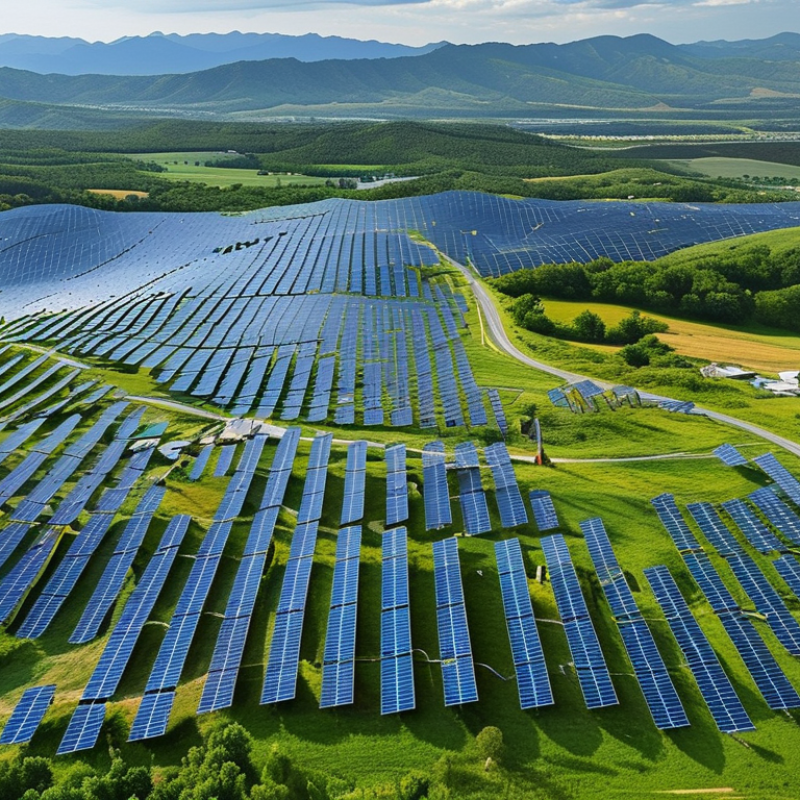
Best Solar Energy System Options for Global Buyers
When considering solar energy systems, global buyers have various options tailored to their needs. The growing emphasis on renewable energy sources highlights the importance of choosing the right solar technology. Photovoltaic panels are popular for residential and commercial use. They convert sunlight into electricity, providing a sustainable power source. This technology is accessible and adaptable, making it a favorite among many users worldwide.
Another option is solar thermal systems, which use sunlight to create heat. These systems are effective for heating water and can significantly reduce energy costs. They may require more initial investment and space, but their long-term benefits often outweigh the upfront expenses. Buyers should assess local climate conditions, as this can impact performance and efficiency.
Reflecting on these choices, it's vital to consider installation and maintenance challenges. Not all suppliers offer the same support or service quality. Therefore, research and consulting with experts can provide valuable insight. Understanding warranties and the expected lifespan of solar systems is also crucial. This ensures that investments align with energy goals and sustainability objectives, even revealing potential pitfalls in the buying process.
Global Solar Energy System Options by Capacity (2023)
Overview of Solar Energy Systems: Types and Their Global Adoption Rates
As global interest in renewable energy rises, solar energy systems continue to gain traction. The International Energy Agency (IEA) reported that solar power capacity grew by over 22% in 2021 alone. This marks a significant increase in adoption rates worldwide, reflecting a shift towards more sustainable energy practices. Countries like China, the U.S., and Germany lead the charge, with China's solar capacity accounting for almost 40% of the global total.
There are several types of solar energy systems. Photovoltaic (PV) panels are the most common, used in residential and commercial applications. Concentrated Solar Power (CSP) systems, which leverage mirrors or lenses, are less widespread but are crucial for large-scale energy generation. Data from the Solar Energy Industries Association (SEIA) indicate that utility-scale solar projects are rapidly expanding in the U.S., with a projected growth of 20% annually until 2025.
Despite these advancements, challenges remain. Not all regions receive ample sunlight for solar energy generation. Initial installation costs can also deter potential users. Additionally, technological advancements must continually address efficiency and storage issues. These factors highlight the need for ongoing research in solar technology to optimize its global adoption and performance effectively.
Key Factors Influencing Solar System Selection: Cost, Efficiency, and Lifespan
When considering solar energy systems, three key factors stand out: cost, efficiency, and lifespan. Cost is often the primary consideration for many buyers. Initial investments vary widely based on technology and installation. Understanding the total cost of ownership, including maintenance and energy savings, is crucial. A low upfront cost might hide higher long-term expenses.
Efficiency is another vital factor. Solar panels convert sunlight into electricity, and not all are created equal. Higher efficiency panels can generate more energy in less space. This is especially important for homeowners with limited roof space. Sometimes, you may need to weigh the benefits of efficiency against cost. A more efficient system might save money over time, but it can have a steeper initial price.
Lifespan is often overlooked but critical for long-term planning. Most solar panels last 25 years or more, but performance can degrade. Some systems may lose efficiency more quickly than expected. This raises questions about warranties and support. A reliable warranty can offer peace of mind, but it’s essential to read the fine print. Balancing these factors requires careful consideration. Each buyer's situation is unique, and what's ideal for one may not be for another.
Comparative Analysis of Leading Solar Technologies: Monocrystalline vs. Polycrystalline
When considering solar energy systems, the choice between monocrystalline and polycrystalline technologies stands out. Monocrystalline panels are made from a single crystal structure, leading to higher efficiency rates. These panels generally occupy less space and perform better in low-light conditions. Their sleek appearance is often favored for residential installations. However, they come at a higher price point.
In contrast, polycrystalline panels are fabricated from multiple crystals. This makes them more affordable, but they typically have slightly lower efficiency. They take up more space for the same energy output, which may be a concern for some properties. The price difference can be significant, especially for larger installations. It's essential to consider the available roof space and local solar potential when making a decision.
When evaluating these options, think about your energy needs and budget. Do thorough research before making a purchase. Take into account factors like local weather and installation costs. Balancing efficiency and cost-effectiveness is key. Remember that while higher efficiency panels reduce space requirements, they might not fit every buyer’s financial strategy.
Impact of Government Incentives on Solar Energy Investment Worldwide
Government incentives play a crucial role in solar energy investments globally. Many countries have implemented tax credits, rebates, and grants to boost adoption. These incentives lower the initial investment barriers for potential buyers, making solar systems more appealing.
In regions with strong government support, solar adoption rates soar. For instance, incentives can cover up to 30% of installation costs. This push often leads to a rapid increase in solar projects. However, when incentives fluctuate or disappear, market stability can be jeopardized. Buyers need reliable policies to make long-term decisions.
Though incentives are beneficial, they are not always foolproof. Some regions may face bureaucratic delays, reducing their effectiveness. In addition, the dependence on government support can stall innovation. A balanced approach involving policy stability and technological advancements is essential for sustained growth in solar energy investments.
Future Trends in Solar Energy Systems: Innovations and Market Projections
The solar energy landscape is rapidly evolving, driven by technological innovations and shifting market dynamics. New materials and designs are emerging, leading to more efficient solar panels. Bifacial solar modules, which capture sunlight on both sides, are gaining traction. This design improves energy production, especially in reflective environments. However, not every location is suitable for this technology, and cost considerations remain.
Another trend is the integration of energy storage systems with solar installations. Homeowners are increasingly looking for ways to store excess energy generated during the day. Lithium-ion batteries are currently popular, but alternatives like solid-state solutions are on the horizon. These options promise enhanced safety and longevity. Still, reliability issues and cost limits exist.
Additionally, the rise of smart technology is transforming energy management. Homeowners can now monitor and adjust their energy use in real time. However, compatibility between devices is a challenge that needs addressing. The direction of these innovations is promising, but consumers must remain aware of evolving trends and potential pitfalls. Balancing efficiency and cost is crucial in making informed decisions.
Best Solar Energy System Options for Global Buyers
| System Type |
Efficiency (%) |
Cost ($/W) |
Lifespan (years) |
Market Growth Rate (%) |
| Monocrystalline |
15-22 |
0.80 - 1.20 |
25 |
20 |
| Polycrystalline |
13-16 |
0.70 - 1.00 |
25 |
15 |
| Thin-Film |
10-12 |
0.50 - 0.80 |
20 |
10 |
| Bifacial |
15-25 |
1.00 - 1.50 |
30 |
25 |
FAQS
: Cost, efficiency, and lifespan are the main factors to consider.
Cost influences initial investments and long-term expenses. Hidden costs can arise from maintenance and energy savings.
Higher efficiency panels generate more energy in less space. They might save money over time but may have a higher upfront cost.
Most solar panels last over 25 years. Performance may degrade, so consider warranties carefully.
Monocrystalline panels are made from a single crystal structure. They are more efficient but often cost more.
Polycrystalline panels are made from multiple crystals. They are more affordable but usually less efficient and take up more space.
Consider your energy consumption, available roof space, and local solar potential. Research thoroughly before making a decision.
Yes, the sleek look of monocrystalline panels is preferred by many homeowners. However, cost may overshadow aesthetics.
Some solar systems may lose efficiency quicker than anticipated. It's essential to have realistic expectations.
Not necessarily. Higher efficiency panels save space but may not fit every budget. Weigh your options carefully.
Conclusion
The article "Best Solar Energy System Options for Global Buyers" provides a comprehensive overview of various solar energy systems available to consumers worldwide. It examines the types of solar technologies, such as monocrystalline and polycrystalline, and analyzes their global adoption rates. Key factors influencing the selection of a solar energy system include cost, efficiency, and lifespan, making it essential for buyers to assess their priorities carefully.
Furthermore, the article highlights the significant impact of government incentives that promote solar energy investment on a global scale. It concludes with insights into future trends, discussing innovations in solar technology and market projections, which play a critical role in shaping the landscape of solar energy systems. Buyers can benefit from understanding these dynamics as they navigate their options in the growing solar market.

 Linde Cable