The solar energy sector is evolving rapidly, offering enhanced Solar Installation options for global buyers. As sustainability becomes a priority, more homeowners and businesses seek reliable solutions. Experts like Dr. Angela Green, a leading figure in renewable energy, emphasize the importance of not just technology but also efficiency in implementation. She states, “The best solar systems are those that blend innovation with practicality.”
In 2026, global buyers will face an array of Solar Installation choices. These options range from advanced photovoltaic panels to innovative storage systems. Each choice has strengths and drawbacks that must be weighed carefully. Not every installation is ideal for every location. Factors such as climate, available space, and energy needs are integral to making informed decisions.
Additionally, potential buyers must consider their long-term investment. Affordable upfront costs might attract attention, but maintenance expenses can quickly accumulate. As the market matures, staying updated with trends and advancements is crucial for optimized performance. Solar Installation requires expertise. Many systems promise high efficiency but may underperform in specific scenarios. Understanding these complexities is vital for maximizing benefit and achieving sustainability goals.
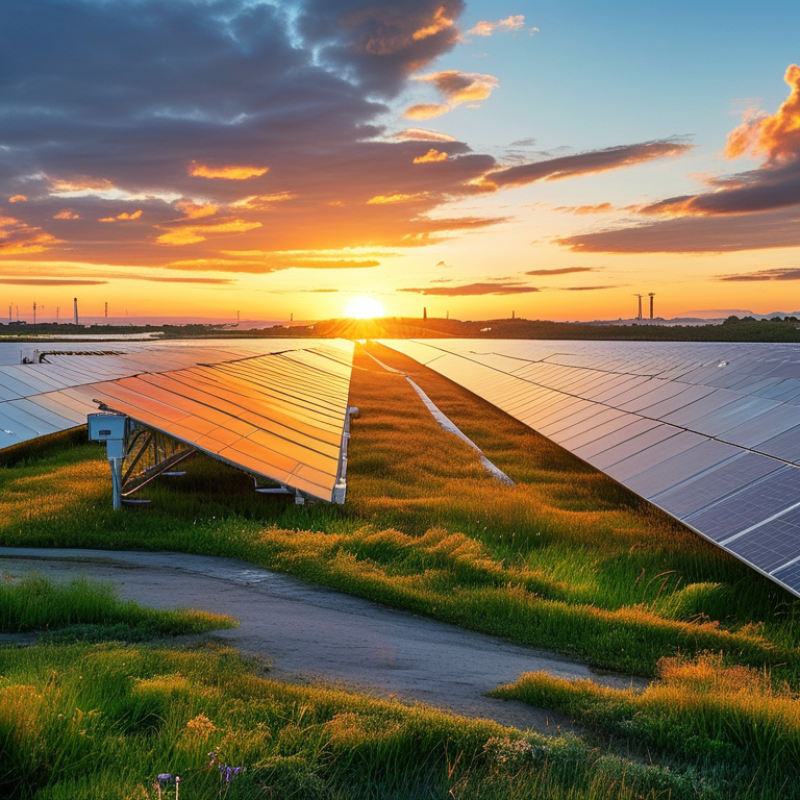
In 2026, global buyers have numerous solar installation options. These choices vary by region and budget. Understanding local regulations is crucial. The effectiveness of a solar system relies on proper installation and maintenance. Buyers should explore both residential and commercial solutions.
Tips: Assess your energy needs before selecting a system. This will help design the best setup. Avoid low-cost options without proper research. Remember, cheaper doesn’t always mean better.
Choosing between rooftop and ground-mounted systems is essential. Rooftop installations often save space and look aesthetically pleasing. Ground-mounted systems can capture more sunlight in open areas. Each option has pros and cons that need careful consideration.
Keep in mind the intended lifespan of solar panels. Most panels last 25 years or longer, but efficiency may decline. Regular maintenance is vital to ensure maximum output. A professional assessment can greatly affect productivity. It's easy to overlook these aspects, yet they are vital for investment returns.
When considering solar installation options, various regional factors play a crucial role. Geography significantly influences the efficiency of solar panels. For instance, sunny locales in the southwestern United States report up to 30% higher energy production compared to cloudier regions. This data showcases how local climate can dictate installation strategies.
Economic factors are equally essential. According to the International Renewable Energy Agency, initial investment costs vary substantially. Installation can cost as low as $2 per watt in some areas, while in others, it may reach $4 per watt. Local incentives and subsidies can affect these costs dramatically. Nevertheless, fluctuations in energy prices can also pose challenges for buyers.
Lastly, regulatory environments shape choices. In countries with strict zoning laws, installations may face hurdles. Some regions encourage residential installations through streamlined approval processes. This variability creates a complex landscape for global buyers. It's crucial for consumers to examine their local policies and economic conditions carefully.
When considering solar technologies, buyers often face a fundamental choice: solar panels or solar thermal systems. Each technology offers unique advantages tailored to different energy needs. Solar panels convert sunlight directly into electricity, making them highly efficient for residential and commercial use. They can easily power homes and businesses, especially in areas with ample sunlight.
On the other hand, solar thermal systems focus on heating water rather than generating electricity. This method is particularly effective for applications like swimming pools and domestic hot water. Buyers should evaluate their specific energy demands and local climate. Solar thermal may not be suitable in regions with limited sunlight, whereas solar panels can often perform better in varied conditions.
Understanding the long-term benefits and potential drawbacks of each option is crucial. For example, while the installation of solar panels can be straightforward, maintenance may require regular monitoring. Some may find solar thermal systems more complex to install but potentially more efficient for water heating. Ultimately, the choice should reflect personal energy goals and investment readiness.
This chart compares the efficiency and average installation costs of different solar technologies: Solar Panels and Solar Thermal systems.
As the world steadily shifts towards renewable energy, solar installation continues to gain traction globally. In 2026, the cost analysis of solar installations is crucial for buyers. Reports indicate that the average cost of solar photovoltaic (PV) systems has dropped by nearly 90% since 2010. This makes solar energy more accessible than ever. However, the price tag can still vary significantly between countries. In some regions, installation costs can exceed $3 per watt, while in others, they can be as low as $1.50 per watt.
Financial incentives play a pivotal role in shaping the solar industry's landscape. Tax credits, rebates, and feed-in tariffs can significantly offset initial expenses. For example, in countries like Germany, nearly 30% of the installation costs can be reclaimed through government incentives. Yet, not all buyers are aware of these programs, which can hinder their decision-making. Lack of information leads to missed opportunities to save.
Efficiency is another critical factor. Not all installations yield the same energy output. Studies have shown that high-quality panels can produce up to 20% more energy over their lifespan compared to lower-quality options. Buyers often focus solely on upfront costs, neglecting long-term performance. This oversight can affect their return on investment and energy savings. Thus, a balance between cost, efficiency, and incentives is essential for smart solar investment decisions.
As we approach 2026, solar technology continues to evolve rapidly. Buyers will have access to more efficient panels and smarter installations. In the coming years, expect a noticeable shift towards integrated solar solutions. These systems will combine energy production with energy storage. This allows homeowners and businesses to optimize energy use.
Investing in solar energy will become more accessible. Merging technologies like electric vehicles and solar installations will drive innovation. Companies are developing systems that efficiently power homes and charge vehicles simultaneously. This integration may save costs and increase energy independence. Buyers should evaluate these emerging technologies to stay ahead.
Tips for buyers: Look for installation companies with strong customer reviews. Quality of service matters. Seek out options that include energy storage solutions. A good battery can maximize solar benefits, even during outages. Get multiple quotes, but don't just focus on price. Evaluate the overall value of the solar installation. Remember, long-term savings are more important than initial costs.
| Installation Location | Installation Type | Efficiency (%) | Cost per Watt ($) | Expected Lifespan (Years) | Trends & Innovations |
|---|---|---|---|---|---|
| North America | Rooftop | 22% | 2.75 | 25 | Smart Inverters |
| Europe | Ground-mounted | 20% | 3.00 | 30 | Bifacial Panels |
| Asia | Flexible | 18% | 2.50 | 20 | Building-integrated PV |
| Latin America | Hybrid Systems | 21% | 2.80 | 25 | Energy Storage Integration |
: Buyers can choose between residential and commercial options. Choices depend on region and budget.
Regulations can affect installation processes and available incentives. Ignoring them may lead to complications.
Assess your energy needs and research options thoroughly. This helps ensure the best setup for you.
Rooftop systems save space and are visually appealing. Ground-mounted systems can capture more sunlight.
Most solar panels last around 25 years, but efficiency may decrease over time. Maintenance is key.
Areas with more sunlight produce more energy. Cloudy regions may experience lower overall production.
Initial investment varies based on location. Subsidies and energy prices also significantly impact costs.
Strict zoning laws can create hurdles for installations. Some areas have smoother processes for approvals.
Regular maintenance is vital for maximizing output. It's easy to neglect, but it affects long-term investment.
Cheaper options may not always be the best. Conduct thorough research to avoid future regrets.
The article titled "2026 Best Solar Installation Options for Global Buyers?" provides a comprehensive overview of the various solar installation options available across different regions. It delves into key factors influencing buyers' choices, such as local regulations, climate conditions, and available incentives. A critical comparison between solar panels and solar thermal technologies allows readers to understand the strengths and weaknesses of each.
Furthermore, the cost analysis segment highlights the financial considerations associated with solar installations, including potential savings and global financial incentives that can ease initial investments. Looking ahead, the article discusses future trends in solar technology and installation practices anticipated by 2026, emphasizing the increasing accessibility and efficiency of solar installations for global buyers.

Linde Cable