Best Tips for Choosing House Solar Panels for Your Home?

Time:2026-07-02 Author:Isabella
0%

Choosing the right House Solar Panels for your home is crucial for maximizing energy efficiency and savings. According to energy expert John Smith, “Investing in quality solar panels can significantly reduce your electricity bills.” Many homeowners face confusion due to the variety of options available today.

When selecting House Solar Panels, it’s important to consider factors like efficiency ratings, warranties, and installation costs. Too often, people focus solely on price without evaluating the long-term benefits. This approach can lead to regrets later on.

Homeowners should also reflect on their specific energy needs and roof suitability. Understanding these elements is vital for making an informed decision. Solar technology is evolving, yet not every product meets high standards. Conduct thorough research to avoid common pitfalls in your solar journey.
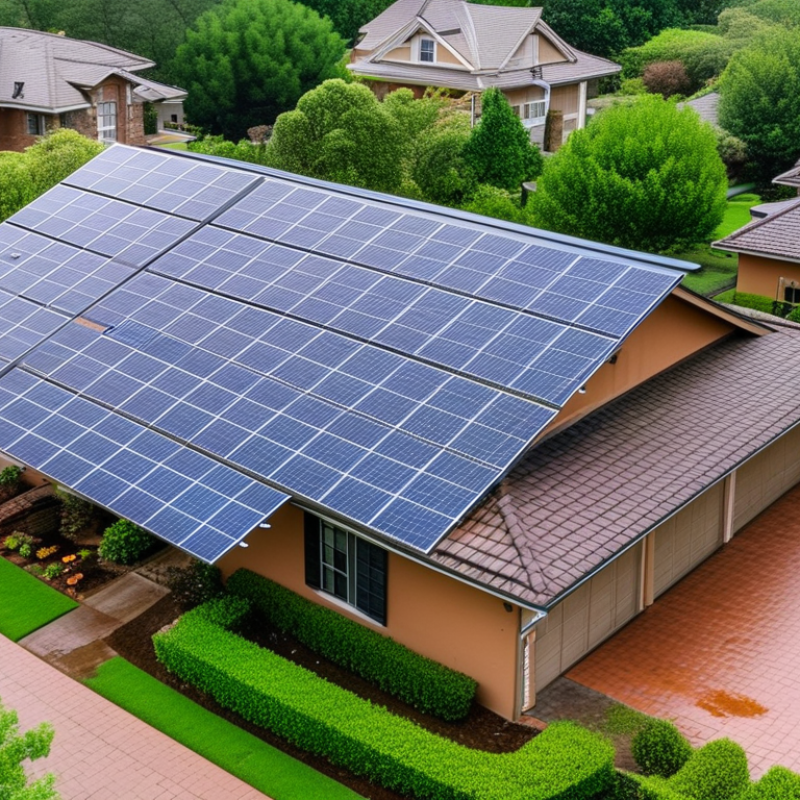
Best Tips for Choosing House Solar Panels for Your Home?

Understanding Your Energy Needs for Solar Panel Installation

When considering solar panel installation, understanding your energy needs is essential. Begin by assessing your current energy consumption. Check your utility bills for average monthly usage in kilowatt-hours (kWh). This data will help you determine the size of the solar system you need.

One effective tip is to account for future energy needs. If you're planning to purchase an electric vehicle or upgrade appliances, factoring this into your calculations can be beneficial. Think about seasonal variations in energy use. Cool summers and cold winters can affect your overall consumption patterns, so adjust for these fluctuations.

Another consideration is roof space. Ensure your roof can accommodate the number of panels needed for your energy needs. If space is limited, you may need to explore high-efficiency panels. It's important to reflect on the orientation and shading of your roof. Panels facing south receive more sunlight, while those in shade may not generate enough power. Take time to analyze these factors.

Types of Solar Panels: Monocrystalline vs. Polycrystalline vs. Thin-Film

When selecting solar panels for your home, understanding the differences among types is crucial. Monocrystalline panels, known for their high efficiency, are made from single crystal structures. This allows them to produce more energy in limited space. They tend to work best in sunny areas, optimizing performance throughout the day. However, their initial cost is often higher, which may not suit every budget.

Polycrystalline panels are more affordable and made from multiple crystal structures. This leads to slightly lower efficiency compared to their monocrystalline counterparts. They are a good choice if you have ample roof space and are looking to save on upfront costs. Yet, they may perform poorly in low-light conditions, which is a consideration for homes in cloudier climates.

Thin-film panels are the lightest and most flexible option. They can be installed in various locations, even on uneven surfaces. Their lower efficiency means you’ll need more space for installation. However, they are often less expensive to produce. Their lifespan can raise concerns, as they may degrade faster than other types. Evaluating these differences carefully will lead you to the best choice for your unique situation.

Evaluating the Efficiency and Output of Solar Panels

When evaluating the efficiency and output of solar panels, several factors come into play. It's essential to understand that the efficiency rating measures how effectively a panel converts sunlight into electricity. Generally, higher efficiency translates to more energy production in smaller spaces. However, high efficiency often comes with a higher cost. It's crucial to balance budget constraints and energy needs.

Output is another critical factor. This is the total amount of power a solar panel can produce over a set period. It is influenced by the panel's size, orientation, and local weather conditions. For instance, homes in sunnier climates can expect higher output than those in regions with frequent cloud cover. Real-world performance may vary from manufacturer claims, so be sure to consider energy output under actual conditions.

Don't overlook the importance of warranties and certifications. Reliable panels often come with extensive warranties, indicating the manufacturer's confidence in their product. These warranties help protect your investment and provide peace of mind. Conduct thorough research and consider consulting with professionals who can provide insights based on experience and expertise. This approach ensures that your decision is well-informed and suited to your home's unique requirements.

Efficiency of Different Types of Solar Panels

Assessing Installation Costs and Financial Incentives

When considering solar panels for your home, installation costs are a major factor. On average, installation can range from $15,000 to $25,000. This price often depends on the size of your system and where you live. It's essential to get multiple quotes from local installers. Some quotes might surprise you with their variability. Not every installer offers the same quality or transparency.

Financial incentives can significantly help reduce upfront costs. Many homeowners overlook available tax credits. In some regions, incentives can cover up to 26% of your total solar installation cost. Grants and rebates may also be available. Research local programs that offer additional savings. This effort can lead to a better understanding of the overall financial landscape.

Take time to evaluate these costs and incentives. Make sure you understand the long-term savings versus initial expenditures. Reflect on whether solar fits your financial situation. Sometimes, the anticipation of lower electricity bills can cloud judgment. A thorough analysis can prevent future regrets and ensure a wise investment in your home.

Choosing a Reputable Installer and Warranty Considerations

When it comes to choosing solar panels for your home, hiring a reputable installer is crucial. Research shows that more than 50% of residential solar installations fail due to poor installation practices. Therefore, vetting your installer is essential. Look for professionals with relevant certifications, such as those from the North American Board of Certified Energy Practitioners (NABCEP). Their expertise ensures that your system operates efficiently and safely.

Consider warranty options before making a decision. A solid warranty reflects the manufacturer's confidence in their product. Quality solar panels should come with a warranty of 25 years. Research indicates that systems with longer warranties tend to be more reliable in the long run. Ensure your installer is transparent about warranty terms and what is covered. Some warranties cover performance degradation, while others may not.

Tips to remember include asking for references and reading reviews. A qualified installer should provide testimonials from previous clients. Look for independent reviews to gauge their performance. It's also wise to request a detailed proposal before committing. This proposal should outline costs, expected energy savings, and the installation timeline. Be cautious of offers that seem too good to be true; they often are. Each decision impacts the efficiency and longevity of your solar system.

Best Tips for Choosing House Solar Panels for Your Home

Consideration Details
Solar Panel Type Monocrystalline, Polycrystalline, Thin-Film
Efficiency Rating Higher efficiency ratings convert more sunlight into electricity
Installer Reputation Look for certified, experienced installers with good reviews
Warranty Considerations Check for product and performance warranties (typically 10-25 years)
Cost-Benefit Analysis Evaluate upfront costs against long-term savings on energy bills
Incentives and Rebates Research local and federal incentives to reduce installation costs
System Size Determined by household energy needs and available roof space
Grid-Tied vs. Off-Grid Decide between connecting to the grid or setting up battery storage

FAQS

: How can I assess my energy needs for solar panel installation?

: Start by checking your utility bills for average monthly energy usage in kilowatt-hours (kWh).

What should I consider for future energy needs?

Factor in potential purchases like electric vehicles and new appliances in your energy calculations.

How does roof space impact solar panel installation?

Ensure your roof can hold enough panels. Limited space may require high-efficiency panels.

Why is roof orientation important for solar panels?

Panels facing south receive more sunlight. Shaded panels won't generate enough power.

What factors affect the efficiency and output of solar panels?

Efficiency ratings measure sunlight conversion. Local weather and orientation also impact output.

Why are warranties important for solar panels?

A good warranty shows the manufacturer's confidence. It protects your investment over time.

How can I choose a reputable solar installer?

Research their certifications. Look for professionals with experience to ensure proper installation.

What should I look for in installer reviews?

Seek independent reviews and testimonials from previous clients about their experiences.

What details should a proposal from an installer include?

It should outline costs, expected energy savings, and the installation timeline.

What red flags should I watch for when selecting an installer?

Be cautious of offers that seem too good to be true; they often aren't reliable.

Conclusion

Choosing house solar panels involves several key considerations to ensure optimal energy use and financial benefits. Start by understanding your energy needs, which will guide you in selecting the appropriate size and type of solar panel system. There are three main types of solar panels: monocrystalline, polycrystalline, and thin-film, each with different efficiencies and costs. Evaluating the efficiency and output of solar panels is crucial, as it affects long-term savings and energy production.

In addition, it's important to assess installation costs and explore available financial incentives to maximize your investment. Finally, selecting a reputable installer and understanding warranty considerations will help safeguard your investment in house solar panels. Taking these steps can lead to a successful solar panel installation that meets both your energy needs and budget constraints.


Isabella

Isabella

Isabella is a dedicated marketing professional with a sharp focus on driving brand growth and engagement through strategic content creation. With an extensive background in digital marketing, she combines her passion for storytelling with her keen understanding of industry trends to deliver......