In the rapidly evolving landscape of electrical engineering, selecting the right materials is crucial for efficiency and safety. Low Voltage Wires play an essential role in various applications, from residential installations to complex industrial setups. According to industry reports, the market for low voltage wires is projected to grow significantly, driven by increasing construction activities and a shift towards smart infrastructure.
Quality low voltage wires ensure minimal energy loss and high performance. The global low voltage wires market was valued at approximately $12 billion in 2022, with a compound annual growth rate (CAGR) of around 5%. This reflects the growing emphasis on reliable wiring solutions that meet modern demands. However, not all low voltage wires are created equal, and choosing the best options requires careful consideration.
Consumers must navigate a plethora of choices. Factors like insulation type, conductor material, and application requirements can complicate decision-making. Some products may boast high ratings but fall short in real-world scenarios. Therefore, understanding the specifications and applications of low voltage wires is vital for making informed choices.
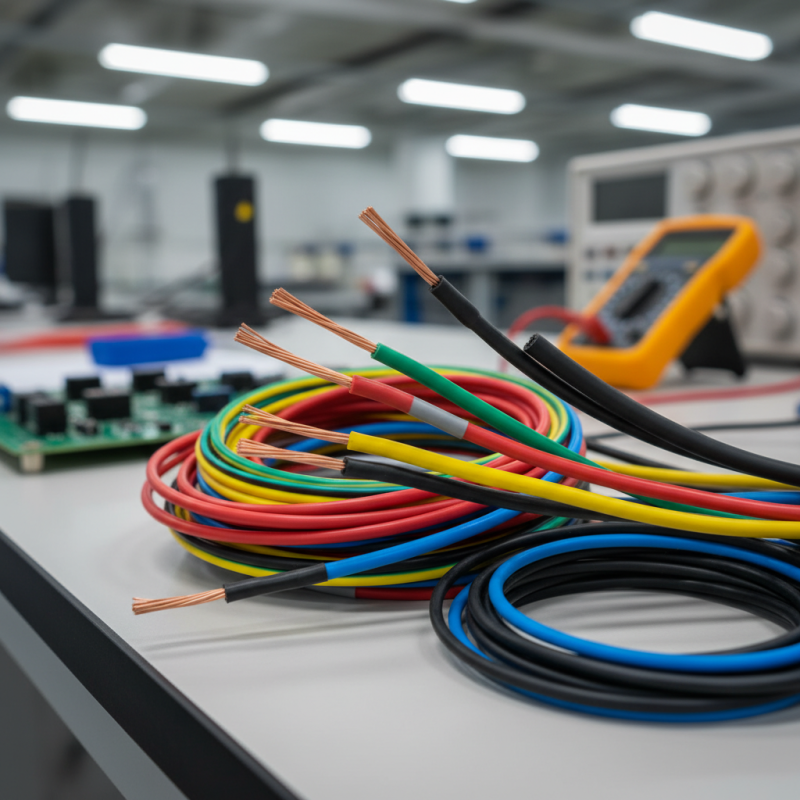
Understanding Low Voltage Wires: Importance for Electrical Projects
Low voltage wires play a critical role in the success of electrical projects. They are used in various applications, from lighting systems to communication networks. Understanding their importance can enhance project efficiency and safety. These wires can handle lower voltages, reducing the risk of shock and fire hazards.
Choosing the right type of low voltage wire is essential. Factors such as insulation material and wire gauge can affect performance. For instance, thicker wires can carry more current, but they are heavier and can be harder to install. Additionally, wires with better insulation can resist environmental factors. However, users often overlook these aspects, risking the integrity of their projects.
Conforming to local regulations is another challenge. Not every project requires the same wire specifications. Misunderstandings can lead to using inadequate wiring, creating long-term complications. Consequently, careful planning and knowledge about low voltage wiring can significantly impact project outcomes. Investing time in understanding these elements is worthwhile for any electrical project.
Types of Low Voltage Wires Available in China
When it comes to low voltage wiring in China, various options cater to different electrical projects. Common types include control wires, signal wires, and communication cables. Control wires come in various gauges and are perfect for automation and control systems.
On the other hand, signal wires are essential for transmitting data in low voltage systems. Communication cables, often used in networking, ensure reliable transmission over distances.
Choosing the right wire is crucial. Ensure you check the wire's insulation and voltage rating. Thicker wires generally support higher loads. Remember, not every project requires the same type of wire. Evaluate the environment as well. For outdoor use, look for UV-resistant jackets.
Here’s a tip: Always plan your wiring route before purchasing. Measure distances and allow some extra length for flexibility. Also, consider color coding wires for easier identification during installation. Keep in mind that cost might not always indicate quality. Sometimes, cheaper options may lack durability. Avoid assumptions that all wires perform equally; thorough research is vital.
Key Factors to Consider When Choosing Low Voltage Wires
When selecting low voltage wires for electrical projects, consider several key factors. The wire's gauge is crucial. Thinner wires can overheat, while thicker ones may be more expensive. Understanding the current your project requires will help you choose the right gauge. Look for wires that suit the distance between your power source and devices.
Insulation type is another vital element. Different materials offer varying levels of protection against heat and moisture. For outdoor projects, check for UV resistance. Indoor projects might prioritize fire resistance. Conduct proper research on insulation ratings. This will ensure safety and efficiency in your installations.
Don’t overlook the wire’s flexibility. Some projects may require bending or routing around obstacles. Rigid wires might limit your options. Testing different wires in your project environment can yield insights. Listen to feedback from other users, and share your experiences. This helps improve your choice in the long run. Consider these factors carefully to make an informed decision.
Top Brands for Low Voltage Wires in the Chinese Market
In China, low voltage wires are essential for a variety of electrical projects. Key players in this sector are recognized for their focus on quality and reliability. According to a recent industry report, the demand for low voltage wires has steadily grown, reaching a market value exceeding $10 billion in 2022. This growth reflects the increasing investments in construction and electrical infrastructure.
Several brands dominate the low voltage wire market. They are renowned for their performance in harsh environments. Many offer a wide range of products, including multi-stranded and single-stranded wires. This diversity allows for flexible application in residential, commercial, and industrial projects. A notable trend is the emphasis on energy efficiency. Reports indicate that energy-efficient wires can reduce operational costs by 15% over time.
However, there are challenges. Some lesser-known manufacturers may not adhere to strict safety standards. This can lead to potential failures and safety hazards in projects. Buyers should ensure they choose reputable sources that prioritize compliance and quality assurance. The ongoing shift towards smart technology also raises questions about wire specifications. Ensuring compatibility with advanced systems is imperative for future projects.
Cost Comparison of Low Voltage Wire Options for Electrical Projects
Choosing the right low voltage wire for electrical projects can significantly impact costs and performance. In China, various options exist, each varying in price and quality. According to a recent industry report, copper and aluminum wires are popular choices, with copper offering better conductivity. The price differential between copper and aluminum can reach 25% to 40%, depending on market conditions. This cost factor often influences contractors' decisions when selecting wires.
When comparing low voltage wire types, consider the installation environment. For example, wires exposed to weather strain may require additional insulation, which adds to the overall expense. Many experts recommend evaluating the specific project needs carefully. One should also account for long-term maintenance costs, not just initial purchase prices.
Tips: Choose wires based on your project's requirements, not just cost. Research and understand the materials used in wire insulation. Always consult with qualified professionals for complex projects. Investing in quality materials can save money in the long run. Remember, it's essential to weigh both immediate and future financial implications when selecting wires for electrical projects.
China Best Low Voltage Wires Options for Your Electrical Projects
| Wire Type |
Voltage Rating (V) |
Conductor Material |
Wire Gauge |
Price per Meter (CNY) |
| PVC Insulated Wire |
300 |
Copper |
18 AWG |
4.50 |
| XLPE Insulated Wire |
600 |
Copper |
16 AWG |
6.00 |
| Rubber Insulated Wire |
450 |
Aluminum |
14 AWG |
5.25 |
| Tinned Copper Wire |
300 |
Tinned Copper |
20 AWG |
3.80 |
| Silicone Insulated Wire |
600 |
Copper |
12 AWG |
9.00 |
Conclusion
Low Voltage Wires are crucial components in various electrical projects, ensuring safety and efficiency. This article explores the significance of understanding low voltage wires, the different types available in the Chinese market, and key factors to consider when selecting the right wires for specific applications. By evaluating aspects such as wire material, insulation type, and voltage ratings, users can make informed choices that meet their project requirements.
Additionally, the article highlights popular brands in the Chinese market and provides a cost comparison of various low voltage wire options. This comprehensive overview serves as a valuable resource for anyone looking to undertake electrical projects, emphasizing the importance of selecting the appropriate low voltage wires to ensure optimal performance and compliance with safety standards.

 Linde Cable