Choosing the right Solar Power System is crucial for optimizing energy efficiency and cost savings. According to the Solar Energy Industries Association (SEIA), the U.S. solar market has grown by over 167% in the last five years. This growth reflects increasing interest in sustainable energy solutions. However, selecting the best system can be daunting.
Industry expert Dr. John Smith, a leading voice in renewable energy, emphasizes, “Not all Solar Power Systems are created equal; understanding your needs is essential.” He highlights that factors like location, energy consumption, and budget significantly impact the choice of a solar system. Many consumers overlook these aspects, leading to suboptimal decisions.
Research shows that over 50% of new solar installations are oversized. This misjudgment can lead to higher costs and wasted resources. Thus, careful consideration is vital when choosing a system. Understanding your specific energy needs and doing thorough research can help avoid common pitfalls in the solar market.
Understanding Your Energy Needs and Consumption Patterns
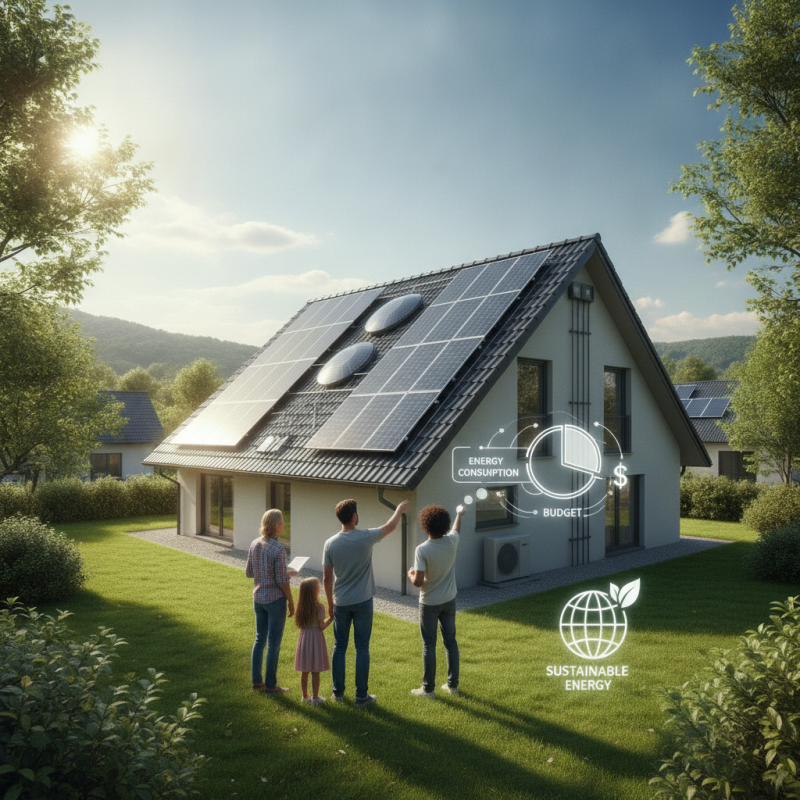
Understanding your energy needs is crucial when selecting a solar power system. Start by analyzing your monthly energy consumption. Look at your electricity bills for the past year. Calculate the average kWh usage. This will give you a baseline to gauge your requirements.
Consider the appliances and devices you frequently use. Are there high-energy tools like air conditioners or heaters? Their usage patterns can significantly impact your needs. Take note of how many hours per day these devices run. This information helps in estimating the overall energy demand.
It’s also wise to think about future changes. Will your family grow? Are you planning to buy electric cars? These factors will influence your energy consumption later on. Understanding these patterns now ensures that your solar system meets both current and future demands. It’s a balance of immediate needs and long-term planning.
Types of Solar Power Systems and Their Benefits
When considering solar power systems, understanding the types available is crucial. Generally, there are three main types: grid-tied, off-grid, and hybrid systems. Each comes with unique benefits tailored to different energy needs.
Grid-tied systems connect directly to your local utility grid. This setup allows users to offset energy costs and sell excess power back. According to the Solar Energy Industries Association (SEIA), over 80% of solar installations in the U.S. are grid-tied systems. This popularity reflects their cost-effectiveness and accessibility. However, fluctuations in energy prices can impact savings unpredictably.
Off-grid systems operate independently. They are ideal for remote locations lacking conventional power sources. A report from the International Energy Agency (IEA) shows that off-grid solar has become a lifeline in many developing regions. These setups require battery storage, which can be a significant investment. Additionally, maintenance challenges can arise in harsh climates.
Hybrid systems combine the best of both worlds. They offer flexibility by utilizing both battery storage and the grid. Users can benefit from lower energy costs while ensuring power availability during outages. Nonetheless, hybrid systems are generally more complex and require careful planning to maximize their efficiency. Understanding these distinctions helps you choose the best solar solution for your needs.
Evaluating Solar Panel Quality and Performance
Evaluating solar panel quality and performance is crucial when choosing a solar power system. Start by assessing the efficiency of solar panels. Efficiency indicates how much sunlight can be converted into usable energy. Higher efficiency panels generate more electricity in limited space. This is particularly important for homes with less roof area.
Next, consider durability and warranty. Solar panels face harsh weather conditions. Look for panels with robust materials that can withstand wind, rain, and hail. A solid warranty can also assure you about the longevity of your investment. Many quality panels come with warranties of 25 years or more, highlighting their expected lifespan.
Don’t overlook certifications when evaluating solar products. Relevant certifications ensure that panels meet industry standards for performance and safety. Seek panels with certifications from recognized organizations. These indicators add reliability and trustworthiness to your selection process. It's wise to balance quality with affordability, as cheaper options may compromise efficiency or durability.
Factors to Consider in Installation and Maintenance
When choosing a solar power system, installation and maintenance play crucial roles. The U.S. Energy Information Administration reports that solar energy accounts for over 3% of total electricity generation. However, proper installation can significantly affect system efficiency. Poor installation may lead to reduced output. Correct alignment and positioning maximize sunlight capture. This affects overall energy production.
Maintenance is essential for longevity. According to the Solar Energy Industries Association, a well-maintained solar system can last 25 years or more. Regular cleaning and inspection are vital. Dust and debris can block sunlight, reducing efficiency by up to 20%. Moreover, monitoring system performance helps identify issues early. Inadequate maintenance can result in unexpected costs and reduced savings.
Understanding local regulations is critical. Installation requirements vary by region. Some areas mandate permitting processes that affect project timelines. Awareness of these factors can save time and money. Evaluating the environmental impact of installation is also important. In addition, consider the potential for future system expansion. This foresight can optimize your energy production not just now, but long-term.
Cost Analysis and Financial Incentives for Solar Systems
When considering solar power systems, cost analysis is essential. The typical residential solar system installation ranges from $15,000 to $30,000. This figure can vary based on system size, location, and type of panels selected. According to the U.S. Department of Energy, solar installation costs have dropped over 70% in the past decade, making it a more viable option for many homeowners. Still, upfront costs can be a barrier.
Financial incentives can significantly influence your decision. Many states offer tax credits, rebates, and performance-based incentives. For example, the federal solar tax credit allows homeowners to deduct 26% of the total installation cost on their tax returns. Some states and utilities also provide rebates that can reduce the overall expense by thousands of dollars.
Tips for optimizing your investment:
- Research local incentives before purchasing.
- Consider financing options like solar loans or leases.
- Evaluate your energy needs to choose the right system size.
Understanding financial implications can empower you to make an informed choice. The long-term savings on energy bills could outweigh initial costs, but careful analysis is crucial. Review your options and consult financial experts if necessary.
Cost Analysis of Solar Power Systems
This bar chart illustrates the cost analysis and financial incentives for a typical solar power system. It highlights key dimensions such as system size, installation cost, tax credit percentage, annual utility bill savings, and the estimated payback period, providing a clear overview for potential solar power buyers.
FAQS
: Analyze your monthly energy consumption and past electricity bills. Calculate your average kWh usage for guidance.
Focus on high-energy devices like air conditioners and heaters. Track their daily usage to estimate demand accurately.
Anticipate changes like family growth or new electric vehicles. This helps ensure your solar system meets future demands.
Assess the efficiency of solar panels. Higher efficiency means more electricity generation in smaller spaces.
Look for panels made from robust materials. They should withstand harsh weather conditions and come with solid warranties.
Certifications ensure panels meet industry standards for performance and safety. They add reliability to your selection.
Installation typically ranges from $15,000 to $30,000. Costs vary by system size, location, and type of panels.
Tax credits and rebates can significantly lower costs. Many states offer incentives that can save thousands of dollars.
Research local incentives, consider financing options, and evaluate your energy needs for the right system size.
Analyze financial implications versus long-term savings. Upfront costs may be high, but savings can be considerable over time.
Conclusion
When choosing the best solar power system for your needs, it is crucial to start by understanding your energy consumption patterns. This involves analyzing how much energy your household or business uses to determine the appropriate system size. Various types of solar power systems, including grid-tied, off-grid, and hybrid systems, come with distinct benefits that cater to different needs and preferences.
In addition to understanding your energy requirements, evaluating the quality and performance of solar panels is vital for long-term efficiency. Consideration should also be given to installation and maintenance factors, as these can impact the overall functionality of the solar power system. Finally, conducting a cost analysis, including potential financial incentives and incentives offered by local governments, will help ensure that the investment in solar energy is economically viable and sustainable for the future.

 Linde Cable