How to Choose the Best House Solar System for Your Needs?

Time:2026-06-07 Author:Sophia
0%

Choosing the right House Solar System for your home can be daunting. With many options available, making an informed decision is essential. A solar system can significantly reduce your energy bills, but not all systems are suitable for every household. Installation costs, energy needs, and roof conditions must be carefully considered.

Understanding your own energy consumption is a crucial starting point. How much energy do you use daily? What is the sunlight exposure on your property? These factors greatly influence the system you need. Consulting with experts can provide valuable insights, yet it’s important to question their recommendations. Not every solar provider has your best interests at heart.

Moreover, a reliable House Solar System requires maintenance and an understanding of evolving technology. As solar technology advances, older systems may become inefficient. Reflecting on your future energy needs and potential upgrades is wise. Staying informed and vigilant can ensure you make the best choice for your home and budget.
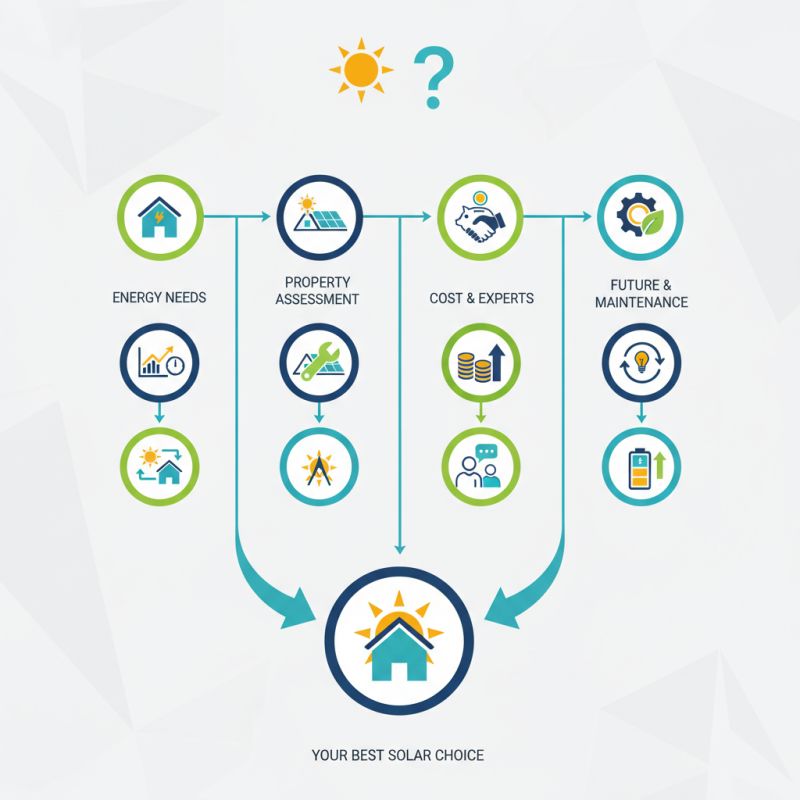
How to Choose the Best House Solar System for Your Needs?

Understanding Your Energy Needs and Usage Patterns

Understanding your energy needs is crucial when selecting a solar system. A recent report from the National Renewable Energy Laboratory suggests that households typically use around 877 kWh per month. This figure can vary based on several factors, such as the number of occupants and the appliances you use.

Analyzing your daily energy usage patterns is essential. For instance, if you run heavy appliances during the day, you'll need a larger system to meet those demands. Some households may not realize that behaviors, like turning off electronics or using energy-efficient appliances, can drastically reduce total consumption. Monitoring energy bills and tracking usage over a few months can help you establish a more accurate baseline.

You might find that your energy needs fluctuate seasonally. During summer months, air conditioning may spike usage, while winter may see higher heating demand. Understanding these trends allows for better system sizing. A well-sized system can optimize efficiency and upfront costs. Balancing current habits with potential changes is vital. This reflection can lead to a more informed and sustainable energy solution.

Evaluating Different Types of Solar Panels and Technologies

When evaluating different types of solar panels, it's essential to consider various technologies available today. Monocrystalline panels stand out for their efficiency and space-saving design. They often deliver more electricity per square foot than others. However, their cost can be higher. Polycrystalline panels offer a good balance between efficiency and price. They might take up more space, but their affordability appeals to many homeowners.

Thin-film solar panels represent another option. They are lightweight and flexible, making installation easier in certain scenarios. However, they typically produce less energy compared to their crystalline counterparts. It's crucial to assess your energy needs to determine the best fit for your situation. Experienced homeowners often note the importance of matching panel type with roof aesthetics and space availability.

Remember that each technology has its pros and cons. Some users report dissatisfaction with energy production during cloudy days. This reflection highlights the need for comprehensive assessments before making a decision. Researching local conditions can help address these concerns. Balancing efficiency with your specific environment will lead to a more informed choice.

Comparison of Different Solar Panel Types

This chart compares the efficiency of different types of solar panels: Monocrystalline, Polycrystalline, Thin-Film, and Bifacial. Monocrystalline panels generally offer the highest efficiency, making them a popular choice for residential solar systems.

Assessing Your Roof's Suitability for Solar Installation

When considering a solar installation, assessing your roof's suitability is crucial. According to the National Renewable Energy Laboratory, a roof that faces south or west typically receives the most sunlight. Roof pitch also impacts energy production. A pitch between 15 and 40 degrees is optimal for solar panels.

Begin by examining the condition of your roof. Look for signs of damage or aging, such as missing shingles or leaks. A weak roof may not support the weight of solar panels. If repairs are needed, address them before installation.

Consider shading from trees, buildings, or chimneys. Even partial shade can reduce efficiency significantly. According to a study by the Solar Energy Industries Association, shading can lower output by up to 50%. If your roof has heavy shade, it might affect your decision.

Tips: Use online tools like sun path charts to understand sunlight exposure throughout the year. Consult a solar expert to evaluate your roof's angles and materials for optimal performance. Remember, a well-maintained, unobstructed roof can maximize your solar energy output significantly.

Financial Considerations: Costs, Incentives, and Return on Investment

When choosing a house solar system, financial factors are key. Start by calculating the initial costs. Understand the installation fees and equipment expenses. Solar panels can be a significant investment.


Explore available incentives. Many states offer tax credits and rebates. These can lower the upfront costs substantially. Some programs allow for financing options. This can ease the financial burden over time.


Tips: Research federal programs aimed at homeowners. Engage with local solar experts to get tailored advice. Overlooking incentives might lead to missed savings. Evaluate your potential return on investment (ROI) carefully. Factors like energy production and utility savings matter. A thorough ROI analysis can reveal if solar is worth it. Remember, not every home benefits equally from solar systems.

Choosing a Reliable Solar Installer and Warranties Options

Choosing the right solar installer is crucial for your system's success. A reliable installer has experience and positive reviews. They should provide a thorough consultation to understand your energy needs. Ask about their qualifications and past projects. A skilled installer can help optimize your panel placement for maximum efficiency.


Warranties are another key consideration. Look for comprehensive coverage, including equipment and installation. A good warranty reflects confidence in both product quality and installation skill. It is important to read the fine print. Some warranties may have hidden clauses. Consider how long the warranty lasts and the process for claims. Reliability in an installer and their warranties can significantly impact your long-term savings and peace of mind.

FAQS

: What costs should I consider when choosing a solar system?

: Consider installation fees and equipment expenses as major costs. Calculate the total initial investment carefully.

Are there any financial incentives available for solar installation?

Yes, many states offer tax credits and rebates to reduce upfront costs. Research local programs for potential incentives.

How can financing options help with solar installation costs?

Financing options can ease the financial burden over time. They allow homeowners to manage their payments more comfortably.

Why is it important to evaluate my potential return on investment (ROI)?

A thorough ROI analysis can show if solar is worth it. Factors like energy production and utility savings play crucial roles.

What should I look for in a reliable solar installer?

Seek out installers with experience and positive reviews. They should be able to provide a thorough consultation to assess your needs.

What warranty options should I consider for solar systems?

Look for comprehensive warranties covering both equipment and installation. It’s vital to read the fine print for hidden clauses.

How can I ensure optimal solar panel placement?

A skilled installer should advise on the best placement for maximum efficiency. Their expertise is critical to your system's performance.

Why might not every home benefit equally from solar systems?

Factors like location and energy consumption patterns vary. A thorough evaluation is needed to determine individual benefits.

How do I know if an installer is qualified?

Ask about their qualifications and past projects. Reviews and recommendations can also indicate their reliability.

What should I be cautious about with solar warranties?

Some warranties may have hidden clauses that could affect coverage. Ensure you understand the claim process before committing.

Conclusion

When selecting the best House Solar System, understanding your energy needs and usage patterns is crucial. This involves evaluating the amount of electricity you consume throughout the day to tailor a solar solution that meets your demands effectively. The next step is to explore different types of solar panels and technologies available, each with their own efficiencies and features that may suit your home better.

Assessing your roof's suitability for solar installation is also essential, as factors such as orientation, shading, and structural integrity can significantly impact performance. Financial considerations play a vital role as well; carefully examining the costs, available incentives, and potential return on investment can help you make an informed decision. Finally, choosing a reliable solar installer along with understanding warranty options will ensure that your House Solar System is installed and maintained properly, maximizing its benefits for years to come.


Sophia

Sophia

Sophia is a dedicated marketing professional with an exceptional depth of knowledge about her company's products and services. With a keen understanding of market trends and customer needs, she crafts insightful blog posts that not only inform but also engage readers, enriching the company’s online......