Choosing the right PVC electric cable is crucial for your electrical projects. According to market reports, the global electric cable market is expected to reach USD 259.8 billion by 2025. PVC electric cables play a significant role in this growth due to their versatility and durability. These cables are widely used in residential, commercial, and industrial applications. With the rise in construction and infrastructure development, understanding the right specifications is essential.
When selecting PVC electric cables, factors like voltage rating, insulation type, and conductor material are key. Industry standards indicate that improper choices can lead to safety hazards. Many users overlook the importance of these details, which can lead to inefficient installations. Cables with lower quality PVC can degrade quickly, risking performance and safety. It’s not just about connecting wires; it’s about ensuring long-term reliability in your electrical system.
Making an informed choice is paramount. Not every cable meets the high performance and safety standards. Evaluating the manufacturer’s reputation can be a game changer. It’s vital to seek cables that comply with regulatory standards and certifications. In this often-overlooked aspect, personal research is invaluable. The right PVC electric cable can make a significant difference in the longevity and efficiency of your electrical systems.
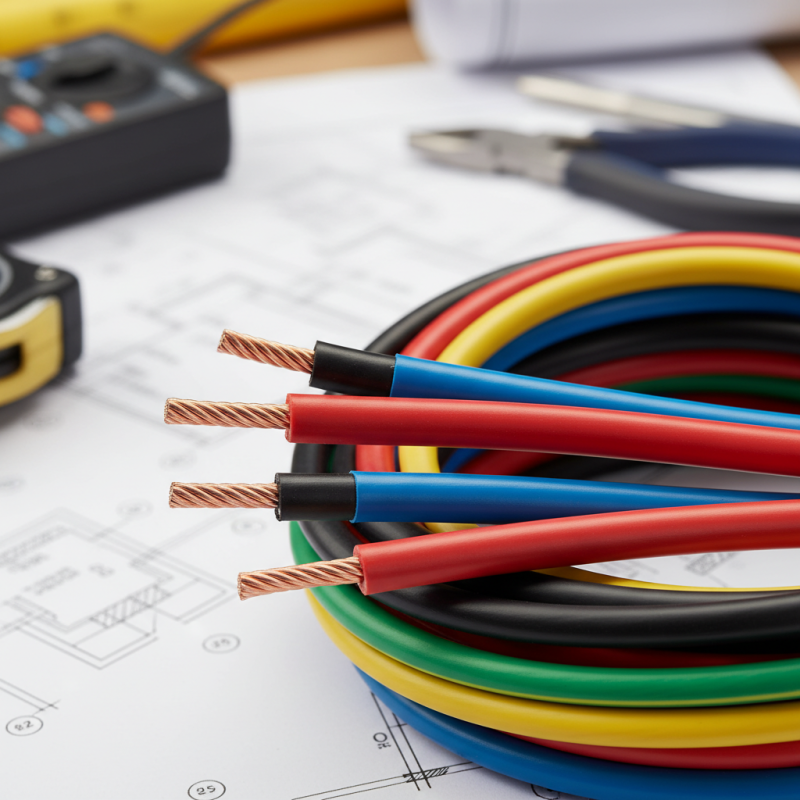
PVC electric cables are essential for various electrical applications. Understanding their basics can help in choosing the best options for your needs. The PVC (polyvinyl chloride) insulation provides durability and flexibility. Reports indicate that 70% of electrical installations feature PVC cables due to their cost-effectiveness and reliability.
These cables are resistant to moisture, chemicals, and abrasion. This makes them suitable for indoor and outdoor use. A study by the International Electrotechnical Commission shows that the global demand for PVC cables is expected to grow by 4% annually. However, it's vital to select the right type of PVC cable based on specific needs and environmental conditions. Not all cables are designed for the same electrical loads or settings.
Potential pitfalls exist when selecting PVC cables. Overlooking the voltage rating can lead to significant issues. Moreover, installation practices can affect cable performance. Improper handling may cause damage to insulation, decreasing longevity. Understanding these fundamentals will streamline your choices. Always consider the application and environment to ensure you select a cable that meets safety and efficiency standards.
| Cable Type | Wire Gauge (AWG) | Voltage Rating | Insulation Type | Application |
|---|---|---|---|---|
| Single Core PVC Cable | 14 AWG | 600V | PVC | Indoor Wiring |
| Multi-Core PVC Cable | 12 AWG | 300V | PVC | Flexible Applications |
| Heavy Duty PVC Cable | 10 AWG | 600V | PVC | Industrial Equipment |
| Weather Resistant PVC Cable | 16 AWG | 300V | PVC | Outdoor Applications |
| Low Smoke PVC Cable | 14 AWG | 600V | Low Smoke PVC | Public Buildings |
: PVC electric cables are essential for various electrical applications, both indoors and outdoors.
Around 70% of electrical installations use PVC cables due to their cost-effectiveness and reliability.
Outdoor cables need UV resistance, while indoor cables must handle moisture. Environmental factors are crucial in selection.
Check insulation thickness, flexibility, and conductivity. Different specifications can significantly impact performance.
Yes, poor handling can damage insulation, reducing cable longevity and efficiency. Safe installation practices are important.
Overlooking the voltage rating can lead to serious issues. Always verify that it matches your electrical requirements.
There are potential pitfalls, like insufficient voltage ratings or incorrect environmental compatibility, which can lead to costly mistakes.
High temperatures can melt insulation, while freezing can make cables brittle. Performance can vary based on local climate conditions.
User reviews provide real-world performance insights but be cautious; some marketing claims might exaggerate a product's quality.
Yes, you need to assess chemical exposure and other environmental factors to ensure the selected cable is compatible.
When choosing the best PVC electric cable for your needs, it's essential to start with a solid understanding of the basics regarding PVC cables. Recognizing your specific electrical requirements, such as the necessary voltage and amperage, is crucial. This ensures that the cable will meet the demands of your project safely and efficiently.
Next, you should evaluate various cable specifications to make informed comparisons. Look at the offerings from different manufacturers to identify which ones align best with your needs. Additionally, consider environmental factors and installation conditions, as these aspects can significantly influence the performance and durability of the PVC electric cable. By systematically assessing these elements, you can confidently select the right PVC electric cable for your specific application.

 Linde Cable