Choosing the best Solar Panel System for your needs can be daunting. With vast choices available, it’s crucial to evaluate your energy requirements. The right system can significantly reduce your bills and environmental impact.
Consider your roof size and sunlight exposure. A larger, more efficient system might fit in an open area. Yet, sometimes, smaller systems can suffice. Evaluate your energy consumption patterns. Understanding how much power you use will guide your decision.
Quality matters when selecting a Solar Panel System. Some brands may promise high efficiency but underdeliver. Research reputable manufacturers. Check reviews and warranties. Reflect on your long-term goals. Will you stay in your home long-term? Think about your investments wisely.
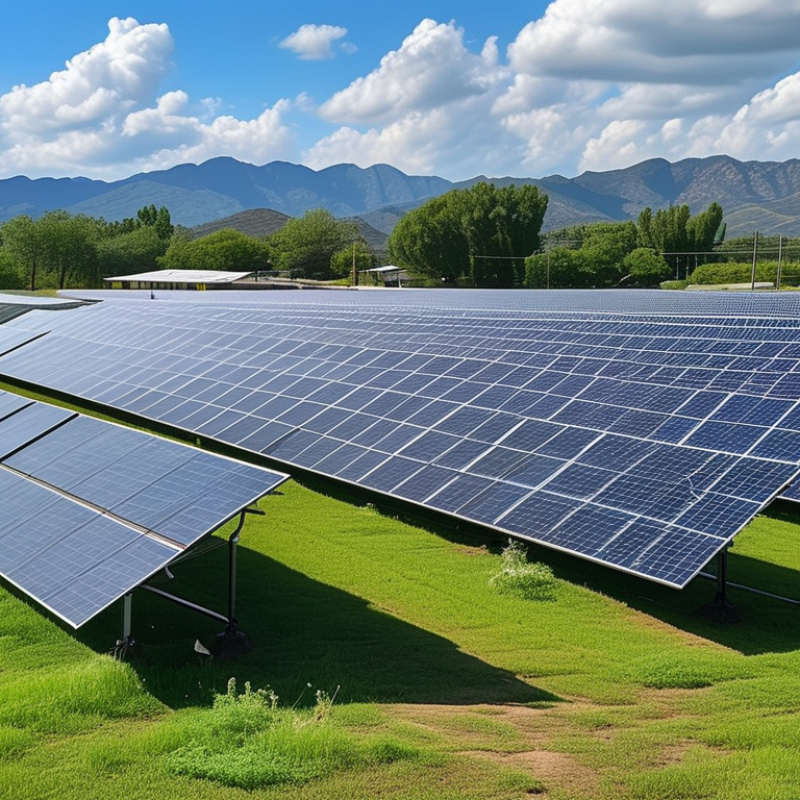
Understanding your energy needs is crucial when choosing a solar panel system. Begin by analyzing your monthly electricity bills. The U.S. Energy Information Administration indicates that the average American household consumes about 877 kWh per month. This data serves as a benchmark for estimating how much solar energy you may require.
Consider your consumption patterns. Do you use more energy during the day or night? Solar panels generate power during daylight hours, which aligns with daytime usage. However, homes with significant evening energy use may need storage solutions, like batteries, to capture excess energy produced. According to the National Renewable Energy Laboratory, adding battery storage can increase system costs by 10-20%.
Identifying peak consumption months can further refine your system choice. Many homes use more energy in the summer due to air conditioning. This seasonal variation could influence your decision on panel capacity. Take note that oversizing the system could lead to unnecessary costs. Balancing your energy needs is a thoughtful process that requires reflection on current consumption and potential lifestyle changes.
When evaluating different types of solar panel technologies, it's essential to understand the key options available. Monocrystalline panels are known for their high efficiency and sleek design. They can perform well in limited space. However, they may come at a higher cost. Many homeowners appreciate their longevity and reliable performance in various weather conditions.
Polycrystalline panels offer a more budget-friendly alternative. These panels are made from multiple silicon crystals and are often less efficient. Yet, they can be an excellent choice for larger installations. It's worth noting that they may take up more space.
Thin-film solar panels are another option. They are lightweight and flexible, easily integrating into different surfaces. However, their lower efficiency may require more area to achieve desired energy output.
While exploring these technologies, consider your specific energy needs and site conditions. Each panel type has its pros and cons. Assessing these differences is crucial for making an informed decision. It’s wise to realistically evaluate your budget and long-term energy goals. Getting the right fit may require adjustments in expectations, especially regarding space and costs.
When considering solar panel systems, assessing your budget is crucial. Start by understanding your electricity needs. Analyze your energy bills from the last year. Calculate how much you currently spend on energy. This number will guide your investment.
Explore financing options available in your area. Many customers find solar loans, leases, or Power Purchase Agreements (PPAs) helpful. A loan may allow you to own the system outright. However, PPAs could seem attractive, as there are no upfront costs. But remember, over time, your payments might escalate.
Tips to consider: Understanding incentives can significantly reduce costs. Investigate tax credits and rebates. These programs can offset your initial expenses. Don’t forget to evaluate the long-term savings versus immediate costs. Sometimes, lower upfront options might not be the best in the long run. Think critically about what aligns best with your financial situation. Commit to thorough research and don’t rush your choice. The right decision today can lead to significant savings tomorrow.
| Parameter | Description | Estimated Cost (USD) | Financing Options |
|---|---|---|---|
| System Size (kW) | Total capacity of the solar panel system | $10,000 - $30,000 | Cash, Loans |
| Installation Type | Roof-mounted or ground-mounted systems | $1,000 - $5,000 | Leasing, PPA |
| Energy Production (kWh/yr) | Estimated annual energy output | N/A | Cash, Credit |
| Incentives and Rebates | State and federal tax credits available | Varies by state | Incentive programs |
| Return on Investment (ROI) | Financial return after installation | 5-15 years | Financing plans, Grants |
When choosing a solar panel system, installation space and location are crucial. Assessing your roof orientation is essential. South-facing roofs receive the most sunlight. If your roof is shaded by trees or nearby structures, energy production may drop significantly.
Tips: Inspect your roof for potential obstructions. Trim back any foliage that might cast shadows. A clear, unobstructed space is ideal for solar panels to thrive.
Consider roof material too. Metal roofs are excellent for solar installation. However, tiles or shingles might need extra care during installation. Always hire professionals to avoid damaging your roof.
Tip: Research your area’s solar incentives. Location can impact your potential savings. Each state has different programs to reduce installation costs. Explore local regulations and how they might affect your project.
When selecting a solar panel system, researching reputable providers is crucial. Start by looking into their experience in the industry. A company with a solid track record will often offer better products and services. Check customer reviews on various platforms. Look for feedback not only about installations but also about customer service. Positive testimonials can indicate reliability, while negative ones may raise red flags.
Warranties are another important aspect. A trusted provider typically offers long-term warranties on their panels and installation. This shows confidence in their products. Understand the terms carefully. Some warranties might void if you don't follow specific maintenance practices. It’s wise to reflect on these factors. If a company lacks a strong warranty, it might be a signal to reconsider your choice.
Gathering information from multiple sources is essential. This will help you form a balanced view of each provider. Panels are a significant investment. Take your time and evaluate all options thoroughly before making a decision.
: Analyze your monthly electricity bills. The average household consumes about 877 kWh per month.
If you use more energy in the evening, storage solutions may be necessary. Batteries capture excess energy produced.
Examine whether you use more energy during the day or night. Seasonal changes, like summer air conditioning, also impact usage.
Yes, oversizing can increase upfront costs without significant benefits. Balance your energy needs carefully to avoid waste.
Monocrystalline, polycrystalline, and thin-film are key options. Each type has unique efficiency and cost factors.
While efficient, they often come at a higher cost. Reflect on your budget before deciding on this type.
Yes, they are usually budget-friendly. However, they may require more space for installation compared to monocrystalline panels.
Thin-film panels are lightweight and flexible. But they have lower efficiency and may need more area for effective output.
Absolutely. Evaluating your energy goals helps in making informed choices and adjusting expectations on space and costs.
Very important. Site conditions can significantly affect the performance and space needs of different panel types.
Choosing the best Solar Panel System for your needs involves a comprehensive assessment of several key factors. First, it's crucial to understand your energy needs and consumption patterns, as this will inform the size and capacity of the system required. Next, evaluating different types of solar panel technologies will help you determine which is most suitable for your situation, considering efficiency and longevity.
Additionally, assessing your budget and exploring financing options is essential for making an informed decision without straining your finances. Factors such as installation space and the geographical location of your home can significantly influence system performance, so these should not be overlooked. Finally, thorough research on reputable solar providers and the warranties offered is vital to ensure you select a reliable Solar Panel System that meets your energy goals effectively.

Linde Cable