Choosing the right solar powered generator is essential for anyone seeking sustainability. Solar powered power offers an eco-friendly alternative to traditional generators. This choice impacts both the environment and your wallet.
Understanding your needs is the first step. Consider where you'll use the generator. Outdoor camping? Backup during a blackout? Each situation demands different specifications. The market is flooded with options, making it crucial to focus on your unique requirements.
Often, users overlook key features. Battery capacity, wattage, and portability matter. Not every generator suits every need, which can lead to frustration. By reflecting on your intended use, you can make better decisions. Remember, solar powered power should enhance your experience, not complicate it.
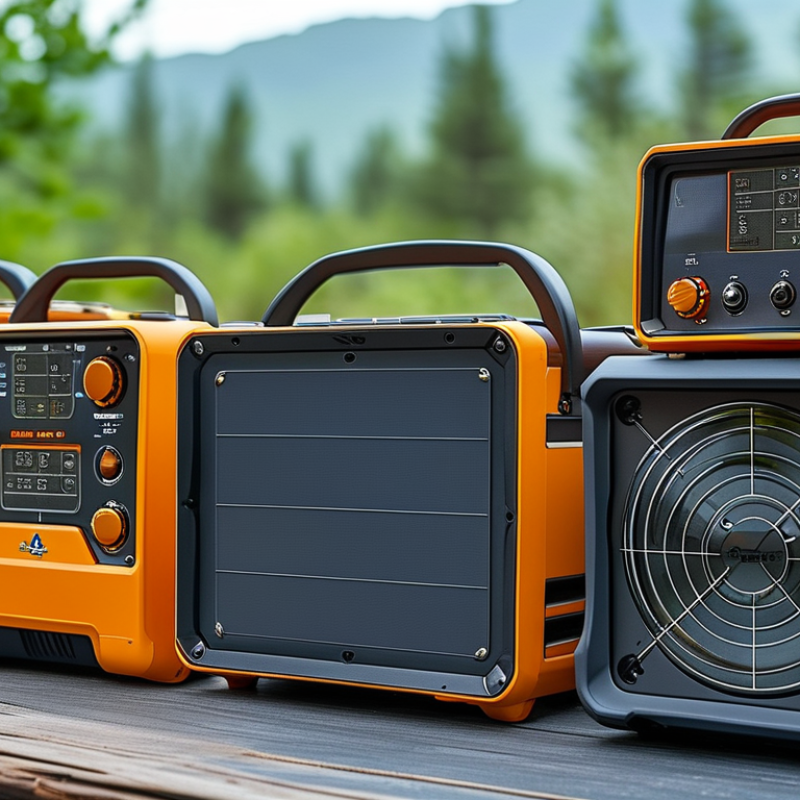
When selecting a solar powered generator, understanding key features is crucial. The capacity of the generator determines how much energy it can store. Look for models with varying wattage options. A higher wattage can power more devices but may increase costs.
Battery type is another crucial factor. Lithium-ion batteries are popular due to their longevity and efficiency. However, lead-acid batteries are often cheaper but heavier and less efficient. Consider weight if you need portability. Ensure the generator offers sufficient charging ports. This can save time in your setup.
Think about solar panel compatibility too. Some generators require specific panels, while others are more versatile. This flexibility can aid in maximizing your generator’s efficiency. Don't overlook warranty and customer service support. These can greatly affect your experience if issues arise. Balancing these elements can lead to a fitting choice for your energy needs.
| Feature | Description | Importance |
|---|---|---|
| Power Output | Measured in watts, indicating the maximum load your generator can handle. | High |
| Battery Capacity | The total energy storage capacity, measured in watt-hours (Wh). | High |
| Recharge Time | The time it takes to fully charge the generator from solar or AC power. | Medium |
| Portability | Weight and design, affecting how easy it is to transport. | Medium |
| Output Ports | Different types of output ports (AC, DC, USB) affect device compatibility. | High |
| Durability | Resistance to weather and physical damage, ensuring long-term use. | Medium |
| Price | Evaluating the cost against features and performance. | High |
| Warranty | Length and coverage of warranty provided by the manufacturer. | Medium |
Assessing your power needs is crucial when choosing the best solar-powered generator. Start by calculating your energy consumption. Gather data on all devices you plan to power. Look at their wattage, which is usually found on the label or user manual. Sum up the total wattage of each device to understand your baseline needs.
A typical household may need between 300 to 1000 watts to run essential appliances. For instance, a refrigerator averages around 100-800 watts, while a laptop uses about 50-100 watts. This means that a small generator can handle basic needs in an emergency. However, if you wish to power multiple devices or larger appliances, you’ll need a generator with a higher capacity.
Moreover, consider peak wattage. Many devices require extra power at startup, often 2-3 times their running wattage. For example, a refrigerator may need up to 2000 watts when starting. Therefore, ensuring your generator can handle this peak load is essential. Data from the U.S. Department of Energy indicates that understanding wattage requirements can lead to a more efficient solar setup, reducing overall energy consumption by up to 30% in some cases. Ultimately, accurate calculations will help you avoid the pitfalls of underestimating your needs.
When choosing a solar powered generator, understanding the types available is essential. Generally, there are two main types: portable and stationary models. Portable generators are often used for camping or emergency backup. They are lightweight and easy to transport, making them ideal for outdoor enthusiasts. Stationary generators are better suited for home or business use, providing a more permanent solution to power needs. According to the Solar Energy Industries Association, the market for portable solar generators has grown 45% annually over the past five years.
Consider power output when selecting a solar powered generator. Most models offer between 100 to 3000 watts. It's vital to match the generator's capacity with your energy consumption needs. A small unit might suffice for charging devices, while larger models can run appliances. Research has shown that users often underestimate their power requirements, which can lead to inefficiencies.
Tip: Assess your power needs carefully. Create a list of devices you want to run. Calculate total wattage to avoid surprises. Another useful tip is to evaluate battery capacity. Higher battery capacity means longer usage times. Don't forget to consider charging time, which varies across models. Some can recharge in just a few hours, while others may take significantly longer.
When selecting a solar-powered generator, portability and design are crucial. A lightweight unit can make outdoor adventures easier. Consider how much you need to carry. A compact design often fits better in small spaces. Look for handles or wheels that improve transportability.
Tips: Check the generator's weight before purchasing. Aim for a balance between power and portability. A lighter model is easier to move but may offer less power.
Think about your usage. Will you use it for camping or emergency power? Design plays a role in user experience. Solar generators with clear displays are more user-friendly. Ensure it has multiple ports for charging convenience.
Tips: Evaluate how the design affects setup time. Sometimes, simplicity is key. A complex setup can be frustrating in urgent situations. Aim for a unit that can adapt to varied environments and needs.
When choosing a solar powered generator, budget plays a critical role. Many people want to save money but overlook essential features. Understanding your energy needs and comparing prices can help find a generator that does not compromise quality. For example, a lower-priced model may lack power capacity or durability, which means it could fail when you need it most.
Finding the best value involves considering long-term costs. Cheaper generators might have lower initial costs but higher operational expenses. Think about battery life and replacement needs. A generator with a better battery may carry a higher price tag upfront but offer savings over time. Evaluate warranties and customer support, as these are often overlooked factors that impact overall satisfaction.
Don’t forget to research user reviews and expert opinions. This step can reveal common issues that may not be obvious at first glance. Investing time to read about real experiences can steer you toward a more reliable choice. Reflecting on your specific needs will lead to a more informed decision.
: Focus on capacity, battery type, and charging ports for effective energy storage.
Lithium-ion batteries last longer and are more efficient compared to lead-acid batteries, which are heavier.
Make a list of devices you want to power. Then, calculate their total wattage to avoid surprises.
There are portable generators for camping and stationary ones for home or business use.
A lightweight generator is easier to carry, but may have less power. Balance is key for portability.
Some generators work with specific panels, while others offer flexibility, enhancing efficiency in energy use.
A clear display and multiple charging ports can improve user experience, making setup easier and quicker.
Charging time varies. Some models recharge quickly, while others take longer, impacting your overall usage.
Good warranty and support are essential for addressing issues promptly, enhancing your overall experience.
Users often underestimate their power needs, which can lead to inefficient use and unexpected limitations.
When choosing the best solar powered generator for your needs, it is essential to understand the key features that define these devices. Prioritize aspects like battery capacity, output options, and charging times to ensure the generator meets your specific energy requirements. Assessing your power needs through careful calculations of energy consumption will guide you in selecting the right solar powered power model.
Additionally, consider the portability and design of the generator, as these factors affect mobility and convenience for outdoor activities. Finally, budget considerations play a crucial role; look for a balance between cost and value to make a wise investment in a solar powered generator that suits your lifestyle and energy demands.

Linde Cable