Choosing the right Solar Solar System for your needs can feel overwhelming. The options are numerous, each with its benefits and drawbacks. Understanding these elements is crucial for making an informed decision.
Start by assessing your energy consumption. How much power do you use each month? This knowledge directly influences the solar system size you need. Consider the available roof space too. A limited area might restrict your choices, making it essential to find a balance between efficiency and installation feasibility.
Installation is another vital aspect. Professional installation ensures proper setup and maximizes system performance. However, hiring experts can be costly. Some homeowners might lean towards DIY solutions to save money, yet this can lead to costly mistakes. Reflecting on your unique circumstances will guide you to the best choice for your Solar Solar System.
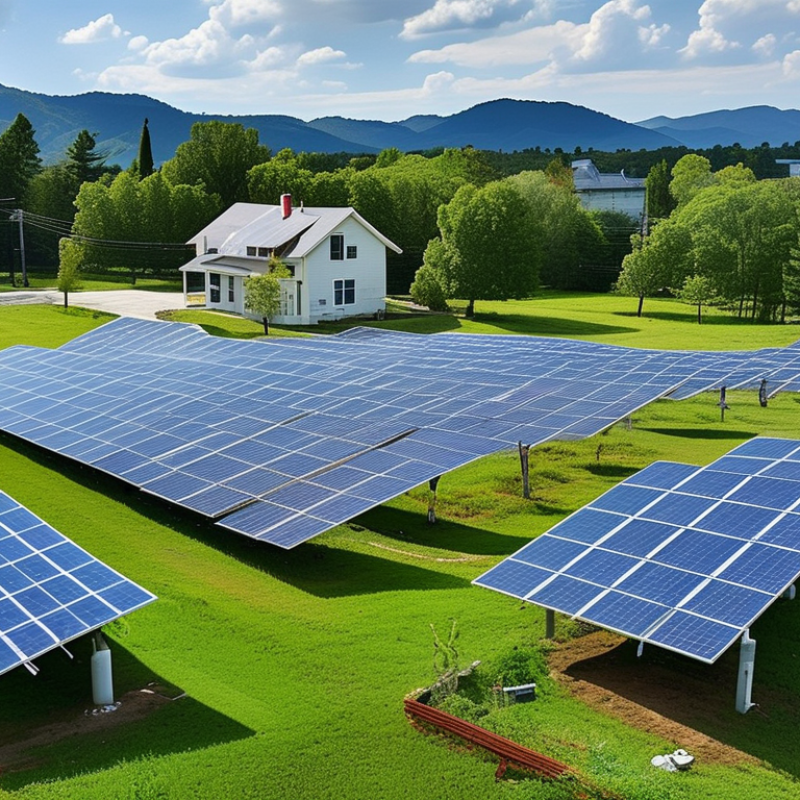
Understanding your energy needs is crucial when selecting a solar system. Start by analyzing your monthly electricity bills. Look for patterns in your consumption. Do you use more energy during specific months? Or is your usage consistent year-round? These insights can help identify your average daily and monthly energy needs.
Consider the size of your home and the number of occupants. More people often lead to higher energy consumption. Evaluate your appliances too. Older devices can consume more power. Think about your lifestyle. Do you work from home? This can increase your energy usage significantly. Pay attention to details like heating and cooling needs.
It's essential to reflect on your habits. Small changes can lead to lower energy consumption. For instance, switching to energy-efficient appliances can help. Assessing these factors can lead you to a more suitable solar system. It may be challenging to predict your future energy needs. But being proactive can guide you in making better decisions.
When considering solar energy systems, it's essential to understand the different types available. Grid-tied systems are popular. These systems connect to the local utility. They allow homeowners to sell excess energy back to the grid. This setup may save on energy bills, but it relies on the grid.
Off-grid systems operate independently. They are ideal for remote locations. These systems store energy in batteries, providing power during outages. The initial cost can be high, but they offer complete energy independence. Users often face challenges. Sizing the system correctly is crucial for efficiency.
Hybrid systems combine the benefits of both types. They offer flexibility. These systems can switch between grid power and battery storage. However, they may require more maintenance and monitoring. Each system has its strengths and weaknesses. It's important to evaluate your specific needs. Factors like energy consumption, location, and budget play significant roles. Balancing these variables can lead to a more sustainable energy choice.
When evaluating solar panel efficiency, look for conversion rates. This percentage shows how much sunlight gets converted into usable electricity. Efficient panels generate more energy from the same amount of sunlight. Ensure you understand ratings like the PTC and STC. The better the rating, the more reliable the performance under real-world conditions.
Durability is key. Solar panels face weather challenges. They must withstand hail, high winds, and extreme temperatures. Check for certifications like IEC or UL approval. These indicate the panels meet rigorous testing standards. Consider the warranty as well; a long warranty suggests confidence in the product’s lifespan.
Tip: Investigate customer reviews. Real experiences reveal much about a product’s reliability. Engage with local solar communities online. They can provide valuable insights into specific brands and local performance. A small mistake in selection can lead to disappointment later. Always do thorough research to make an informed decision.
This chart compares the efficiency and durability of various solar panels. The efficiency is measured in percentage, while durability is represented in years. Choosing a solar panel with a higher efficiency and durability can lead to better long-term savings and performance.
When considering a solar system, installation costs can vary significantly. Factors such as location, system size, and type can influence the price. Homeowners should request multiple quotes from local installers. It’s crucial to assess what each quote includes, like permits and warranties. This comparison will provide a clearer financial picture.
Financial incentives can make solar more accessible. Many states offer tax credits, rebates, or grants to offset the upfront costs. Research local programs thoroughly. These incentives can save thousands. Keep in mind that these programs often have deadlines. Staying informed ensures you don’t miss out on savings.
Consider these tips: evaluate your energy needs before deciding on system size. Choose a reputable installer with positive reviews. Also, think about financing options. A good financing plan can make payments manageable. Always ask questions. It's important to understand what you're investing in. Look for hidden fees and ask for clarification. Being informed leads to better decisions.
When considering a solar system, long-term maintenance and support should be a priority. A reliable solar system should come with robust maintenance options. Regular check-ups can help identify issues early. This proactive approach can extend the lifespan of your solar panels. Some systems may require cleaning, while others might need parts replaced over time. Knowing what to expect can inform your choices.
Support options vary. Look for companies with dedicated customer service. A solid support team can guide you through installation and maintenance. This is crucial. During installation, things might not go as planned. Having support can ease your concerns. Remember that an experienced team can offer tips tailored to your system.
Cost is another factor. Some maintenance contracts may appear expensive. They might cover unforeseen repairs. Balancing cost and reliability is key. Be cautious of low-cost options that lack quality support. Investing in good maintenance can save you money in the long run. Think about your needs and research thoroughly. You want a solar system that serves you well for years.
: Start by analyzing your monthly electricity bills. Look for patterns in your usage.
More occupants often lead to higher consumption. Older appliances can also consume more power.
Yes, there are grid-tied, off-grid, and hybrid systems. Each has its strengths and weaknesses.
It connects to the local utility, allowing homeowners to sell excess energy back. It relies on the grid for consistency.
Sizing the system correctly is crucial for efficiency. They can be costly and require battery storage management.
Many states offer tax credits or rebates. Research local programs to avoid missing savings opportunities.
It helps clarify costs. Different quotes may include various services like permits and warranties.
Choose a reputable installer. Check for positive reviews and ask about hidden fees.
Working from home or having specific heating needs can significantly increase energy use.
Evaluate your energy needs. Proper assessment leads to a more efficient solar solution.
When choosing the best Solar Solar System for your needs, it's essential to first understand your specific energy requirements and consumption patterns. This initial assessment will guide you in selecting a system that meets your lifestyle and energy goals. Next, familiarize yourself with the various types of solar energy systems available in the market, as each offers different benefits and technologies.
Evaluating solar panel efficiency and durability is crucial, as high-quality panels will deliver better performance and longevity. Furthermore, comparing installation costs alongside available financial incentives can significantly impact your decision, making solar energy more accessible. Lastly, consider the long-term maintenance and support options associated with the system, ensuring you choose a reliable solution that continues to perform well over time. By carefully weighing these factors, you can confidently select the optimal Solar Solar System tailored to your needs.
Linde Cable