Choosing the right So Electrical Cable for your projects might seem daunting. However, it is crucial for safety and efficiency. Industry expert John Smith, recognized for his work in electrical engineering, once stated, “The quality of electrical cables can make or break a project.” His insights underline the importance of choosing the correct cable type.
When selecting So Electrical Cable, consider various factors. The wire gauge, material, insulation type, and application are essential. Each application has unique requirements. For instance, a residential wiring job will differ significantly from industrial uses. Understanding these differences can prevent costly mistakes and ensure reliability.
Many consumers overlook critical specifications. This may lead to inadequate performance or safety hazards. Reflecting on the project needs is vital. Not every cable is suitable for every situation. Engaging with reliable sources and experts can enhance decision-making processes. Always prioritize quality and compatibility when making your choices.
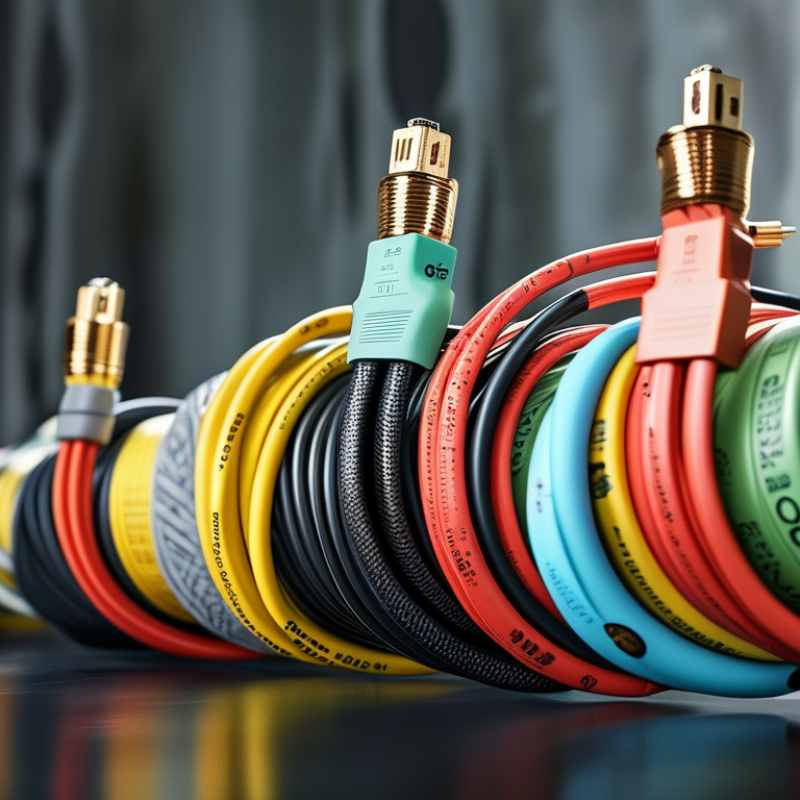
SO electrical cables are versatile and durable. They are designed for various applications, including industrial and residential use. Understanding their specifications is crucial for making the right choice.
These cables are typically constructed with high-quality rubber insulation. This makes them resistant to moisture, chemicals, and abrasion. In environments where exposure to harsh conditions is common, SO cables excel. They are ideal for portable power tools and heavy equipment.
Tips: Always check the insulation rating. It can determine the cable's effectiveness in specific environments. Choose the right gauge based on the power requirements. Using the incorrect gauge may lead to overheating or equipment failure. Consider the application carefully; not all cables are created equal.
When selecting SO cables, think about length and flexibility. Longer cables can reduce efficiency over distance. Flexibility is important for mobility. Often, people overlook these details, leading to choices that may not suit their needs. Take time to evaluate your specific requirements before purchasing.
Choosing the right SO electrical cable requires careful consideration of a few key factors. The most critical aspect is the cable's gauge. A thicker gauge can handle more current, making it suitable for high-demand applications. On the other hand, a thinner gauge may suffice for light-duty tasks. Always assess your power needs accurately to avoid overheating or inefficient operation.
Environmental conditions also play a significant role in your selection. If the cable will be exposed to moisture or extreme temperatures, it’s essential to choose a cable that can withstand these conditions. Look for insulation rated for outdoor use if necessary. This prevents deterioration and ensures safety over time.
Tips: Always check the cable's voltage rating. An incorrect rating could lead to serious issues. Additionally, consider the length of the run. Longer lengths can impact performance, requiring adjustments to gauge. Don't ignore compatibility with your existing systems. Mismatched components can lead to inefficiency or hazards. Each detail matters in ensuring a reliable electrical supply.
Choosing the right electrical cable starts with understanding its size. The appropriate size ensures safety and efficiency for your specific needs. If the cable is too small, it can overheat, leading to potential hazards. Conversely, an oversized cable can be cumbersome and less efficient.
To determine the right size, consider the load you'll be placing on the cable. Calculate the total wattage of the devices or systems you plan to connect. This will help avoid any underestimation. Additionally, assess the distance the cable will run. Longer runs may require larger cables to maintain voltage.
Wire gauge is another critical factor. Thicker wires can carry more current. Familiarize yourself with the American Wire Gauge (AWG) system, as it helps in understanding the dimensions of the wire. Keep in mind that different applications may have varied requirements. Check local building codes for guidance. Making the right choice takes careful thought and some trial and error, but it's essential for reliable electrical performance.
When selecting an electrical cable, environmental factors play a crucial role. Consider temperature fluctuations, moisture levels, and exposure to chemicals. Each element can significantly impact the cable's lifespan and performance. For instance, cables in humid areas often need extra protection against corrosion.
**Tips:** Always check the insulation type. Different materials offer varied resistance to moisture and chemicals. If you're in a high-heat area, opt for cables with higher temperature ratings.
Another key factor is the presence of UV light. Cables exposed to sunlight require specific coatings to prevent degradation. It’s vital to assess installation locations carefully. Cables near water sources may need waterproof ratings as well. Neglecting these details can lead to unforeseen costs and safety risks.
**Tips:** Think about the cable's routing. Installations that minimize exposure to harsh conditions can prolong cable longevity. Use conduits or protective coverings where necessary.
| Cable Type | Environmental Resistance | Temperature Range (°C) | Applications | Installation Location |
|---|---|---|---|---|
| PVC (Polyvinyl Chloride) | Low Moisture, UV Resistance | -15 to 75 | Indoor Wiring, Appliances | Dry Environments |
| XLPE (Cross-Linked Polyethylene) | Chemical and Temperature Resistance | -40 to 90 | Power Distribution, Industrial Use | Outdoor and Hazardous Areas |
| Rubber Insulated Cables | Flexibility, Weather Resistance | -20 to 60 | Construction Sites, Temporary Power | Wet or Cold Environments |
| Fiber Optic Cables | Electromagnetic Interference Resistance | -20 to 70 | Data Transmission, Telecommunications | Indoor and Outdoor |
| SWA (Steel Wired Armored) | Mechanical Protection | -20 to 70 | Heavy Duty Applications | Underground and Outdoor |
When selecting SO electrical cables, understanding safety standards is crucial. Industry regulations govern the insulation and construction of these cables. For instance, the National Electrical Code (NEC) outlines standards to minimize risks. Older cables may not comply, leading to potential hazards.
Tip: Always check for compliance marks. This indicates adherence to safety protocols. Using non-compliant cables can result in costly penalties and serious accidents.
SO cables must endure various environmental conditions. They are often used outdoors or in industrial settings. Therefore, they should meet standards such as UL 62, which covers portable cords. A report by the Electrical Safety Foundation International reveals that improper cable usage leads to over 3,000 electrical accidents annually.
Tip: Assess your specific use case. Cables rated for extreme temperatures or moisture can be essential for longevity and safety. Everything from wear to exposure can affect performance. So, choose carefully based on the environment.
: The cable's gauge is critical. A thicker gauge can handle more current.
Cables exposed to moisture or extreme temperatures need suitable insulation to ensure safety and longevity.
Incorrect voltage ratings can lead to overheating and operational inefficiency, posing serious risks.
Longer lengths may require a different gauge to maintain performance and prevent issues.
Verify that cables have compliance marks. This shows they meet safety protocols to avoid penalties.
Non-compliant cables can lead to accidents and potential injuries. Over 3,000 accidents occur yearly.
Look for insulation rated for outdoor conditions to prevent deterioration over time.
Assess your usage requirements, such as environmental factors, current demand, and system compatibility.
Mismatched components can lead to inefficiency or increased risk of hazards.
Not considering environmental exposure can significantly impact cable performance and safety.
When choosing the right SO Electrical Cable for your needs, it’s crucial to understand its applications and the key factors that influence selection. SO Electrical Cables are designed for high performance in various environments, making them ideal for both indoor and outdoor use. Considerations such as the cable’s size, voltage rating, and insulation type play a significant role in ensuring optimal function.
Furthermore, evaluating the environmental conditions—such as temperature extremes, exposure to moisture, and potential mechanical stress—is essential for determining the most suitable cable. Adhering to safety standards and regulations is equally important to guarantee safe operation and compliance. By taking these factors into account, you can effectively select the right SO Electrical Cable for your specific applications.

Linde Cable