Choosing the right electrical cable is not a matter of picking the thickest option or matching a familiar color. A cable hidden behind a wall may face different demands from one feeding a workshop tool or outdoor light. Load, voltage, installation environment, conductor material, insulation, and cable length all affect suitability. Small choices matter.
This guide explains how to choose the right Type Electrical Cable by connecting cable features to real use cases. It considers current demand, conductor size, insulation ratings, temperature, moisture, abrasion, and sunlight exposure. A cable run beside a warm motor, for example, needs different checks from one inside a dry room. Length matters, too: voltage drop can affect equipment performance, especially on longer runs. Numbers help.
Before buying, verify equipment instructions, cable markings, and the requirements that apply to the installation. Do not rely on color alone; conventions can vary, and older wiring may not match expectations. For permanent or uncertain installations, ask a qualified electrician to assess the load, route, and protection. That is practical, not overcautious. The sections ahead compare common cable types, explain key ratings, and show how to narrow choices safely. A careful choice starts with the job, not the shelf label.
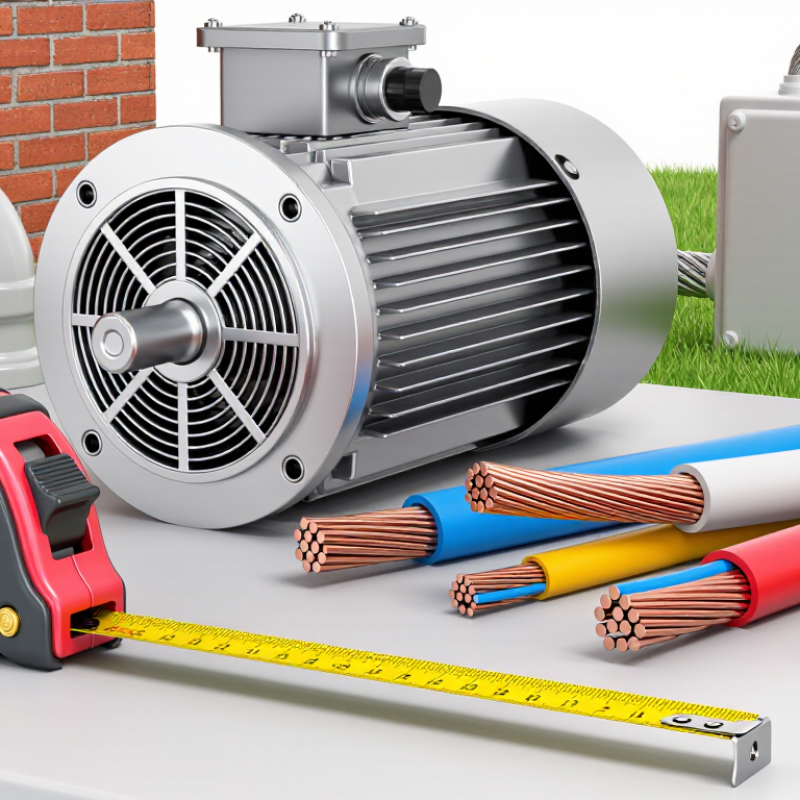
Determine Load Current Using NEC Table 310.16 at 30°C Ambient
How to Choose the Right Type of Electrical Cable?
Determine Load Current Using NEC Table 310.16 at 30°C Ambient
Start by calculating the expected load current from equipment ratings and the circuit’s intended use. NEC Table 310.16 does not calculate that current; it lists conductor ampacities under specified conditions. Its values assume a 30°C ambient temperature and no more than three current-carrying conductors in a raceway or cable. Check the conductor material and insulation temperature column, too. Small details matter.
For example, a 16-amp continuous load may require conductors sized for at least 20 amps, where the 125% rule applies. Then compare the required ampacity with the table value. Do not select a conductor from the 90°C column alone if its terminals are rated for 75°C. The applicable terminal rating can limit the final allowable ampacity. A neat table lookup is not the whole calculation.
Real installations can depart from the table’s assumptions. Hot attic air, bundled conductors, or more than three current-carrying conductors may require ampacity adjustments. Recheck the load calculation, correction factors, and equipment terminal ratings before choosing cable. If the details are uncertain, pause and verify them against the adopted electrical code or consult a qualified electrician. Guessing here is easy; correcting an undersized conductor later is not.
How to Choose the Right Type of Electrical Cable?
Determine conductor ampacity using NEC Table 310.16 at a 30°C (86°F) ambient temperature.
Values show table ampacities in amperes for copper conductors with not more than three current-carrying conductors in a raceway, cable, or earth. Choose a conductor whose applicable ampacity meets or exceeds the load current. Verify terminal temperature ratings, correction and adjustment factors, and applicable overcurrent-protection limits before installation.
Choose Conductor Size and Material Using IEC 60228 Classes 1, 2, or 5
How to Choose the Right Type of Electrical Cable?
IEC 60228 class describes conductor construction, not the cable’s full suitability. Class 1 is solid and works well in fixed installations where the conductor will not move often. Class 2 uses strands, making it easier to route through conduits and around bends. Class 5 is finely stranded and flexible, useful for equipment leads that move during normal use. Choose by installation conditions. Not by habit.
Conductor size needs a separate check. Calculate the expected load, then consider cable length, installation method, ambient temperature, grouping, and voltage drop. A long run to a distant pump may need a larger conductor than a short connection carrying the same current. Copper conducts well and suits many compact installations. Aluminum is lighter, but typically needs a larger cross-section for comparable resistance and suitable terminations. Material choice also depends on the equipment and applicable standards.
Tips: Check the cable’s declared conductor class and material on its datasheet. Then verify the selected size against current-carrying capacity, voltage drop, and fault protection. A common oversight is sizing by load alone. It is not enough. Installation details can change the answer, and I would recheck assumptions before ordering. For uncertain or safety-critical installations, ask a qualified electrical professional to review the design.
Match Insulation to Voltage and Temperature; THWN-2 Is Rated 600 V, 90°C
Choosing electrical cable means matching insulation to both system voltage and operating temperature. UL 83 identifies THWN-2 conductors as rated 600 volts and 90°C in wet or dry locations. That rating describes the insulation, not an automatic permission to run every conductor at its maximum temperature. Details matter.
NFPA 70 (2023), Table 310.16, lists ampacities by conductor size and insulation temperature rating. For example, 12 AWG copper appears at 30 amperes in the 90°C column, but that figure cannot be treated as the circuit’s allowed load by itself. Terminal temperature limits, ambient heat, and bundled conductors can require adjustments; NFPA 70 Section 110.14(C) addresses equipment termination limits. A crowded conduit above a warm ceiling is a real-world reason to check those conditions. I would not choose cable from the “90°C” label alone—it is an easy detail to overread. Confirm the installation conditions and applicable code requirements with a qualified electrical professional.
How to Choose the Right Type of Electrical Cable? — Match Insulation to Voltage and Temperature; THWN-2 Is Rated 600 V, 90°C
| Wire or cable type |
Typical voltage rating |
Insulation temperature rating |
Suitable locations |
Typical selection notes |
| THWN-2 |
600 V |
90°C in wet or dry locations |
Wet or dry locations; commonly installed in raceways |
A common choice where moisture resistance is required. Check the conductor marking and installation requirements. |
| THHN |
600 V |
90°C in dry locations |
Dry locations; commonly installed in raceways |
THHN alone is not the same as a wet-location rating. Many conductors carry dual THHN/THWN-2 markings; follow all markings. |
| XHHW-2 |
600 V |
90°C in wet or dry locations |
Wet or dry locations; commonly used in raceways and feeders |
Cross-linked insulation provides a different construction from thermoplastic types; confirm conductor size and termination ratings. |
| RHW-2 |
600 V |
90°C in wet or dry locations |
Wet or dry locations, subject to the cable listing and installation method |
A moisture- and heat-resistant conductor type; verify the specific product marking for permitted uses. |
| NM-B |
600 V |
Conductors are rated 90°C; ampacity is generally limited to the 60°C column under applicable code rules |
Normally dry locations; not for wet locations or direct burial |
Commonly used for interior branch-circuit wiring where permitted. The 90°C conductor rating does not automatically permit 90°C ampacity. |
| UF-B |
600 V |
Conductors are rated 90°C; ampacity is generally limited to the 60°C column under applicable code rules |
Wet or dry locations; listed for direct burial where installed as required |
Used for certain outdoor and underground wiring applications. Check burial depth, protection, and local code requirements. |
Selection reminder: Temperature ratings describe the insulation’s permitted operating temperature, not necessarily the allowable circuit ampacity. Ampacity can be limited by terminal temperature ratings, conductor size, ambient temperature, bundling, installation method, and applicable electrical codes. Confirm the cable markings and consult a qualified electrician or the authority having jurisdiction.
Check Wet, Sunlight, Chemical, and Flame Exposure Requirements
A cable that works in a dry room may fail quickly outdoors. Match its construction to the actual conditions along the entire route, not just the point where it enters a building. For damp locations, check that the cable is specifically rated for wet exposure; a weatherproof-looking outer layer is not enough. Water finds gaps. Consider standing water, condensation, and temperature changes, which can affect seals and insulation over time.
Sunlight can make some jackets brittle and cracked. If any section is exposed, verify its UV or sunlight resistance in the product documentation. For chemical exposure, identify the substance and likely contact time. Oils, cleaning fluids, and industrial vapors can affect materials differently, so “chemical resistant” is too vague to rely on. That detail matters. I would also check whether the cable could be scraped, compressed, or moved during maintenance; these ordinary stresses are easy to overlook.
Flame requirements need careful interpretation. A flame-retardant rating does not necessarily mean a cable can maintain circuit operation during a fire. Check the required test classification and installation conditions against the project specification. If several exposures overlap, such as sunlight, moisture, and cleaning chemicals, confirm the cable is suitable for all of them together. Ratings can be confusing, and I would not infer suitability from appearance alone. Review the manufacturer’s technical data and consult a qualified electrical professional when the route or exposure is uncertain.
Apply NEC Derating Rules When More Than Three Current-Carrying Conductors Share a Raceway
When conductors share a raceway, heat has fewer places to escape. The NEC requires ampacity adjustment when more than three current-carrying conductors occupy the same raceway or cable. Count the conductors that carry current during normal operation—not equipment grounding conductors. Neutrals may count when they carry substantial load current, such as in certain four-wire circuits serving nonlinear loads. Check the applicable NEC edition and local requirements.
The adjustment factor depends on the conductor count. Under the commonly used table in NEC 310.15(C)(1), four to six conductors use 80 percent of allowable ampacity; seven to nine use 70 percent. Ten to twenty use 50 percent. For example, eight current-carrying conductors in one raceway call for the 70-percent factor. Apply it to the conductor’s allowable ampacity, then check temperature correction and terminal temperature limits. Small details matter.
On site, I would verify the raceway fill and conductor schedule before selecting a cable. A missed neutral or a later-added circuit can change the count. It is easy to assume a spare wire does not matter. Recheck it. If the result is unclear, consult the governing code edition or a qualified electrical professional rather than guessing.
Conclusion
Choosing the right Type Electrical Cable begins with calculating the expected load current and selecting a conductor that can safely carry it. NEC Table 310.16 provides ampacity values under specified conditions, including a 30°C ambient temperature; actual installation conditions may require adjustments. Choose the conductor size and material for the application, and consider whether a solid or stranded conductor is appropriate. IEC 60228 classifies conductors as Class 1, Class 2, or Class 5, with differences in construction and flexibility.
Next, match the insulation rating to the system voltage and operating temperature. For example, THWN-2 is rated for 600 V and 90°C, subject to applicable installation conditions. Also check whether the cable must withstand moisture, sunlight, chemicals, or flame exposure. When more than three current-carrying conductors share a raceway, apply the relevant NEC ampacity derating rules. These checks help ensure the cable is suited to its electrical load and installation environment.

 Linde Cable