In the world of electrical components, Single Strand Wire plays a crucial role. According to industry expert, Dr. Emily Carter, “The quality of Single Strand Wire can significantly impact performance and durability.” This highlights the importance of selecting a reliable supplier.
Single Strand Wire is typically used in various applications, from electrical wiring to craft projects. When selecting a supplier, it’s essential to evaluate their reputation. Research their experience in the industry and their track record. Look for certifications that demonstrate reliability. A supplier should understand the specific needs of your project.
Choosing the right supplier can be challenging. Many suppliers claim to offer quality products, but not all deliver. Take the time to compare options. Read customer reviews and seek recommendations. Remember, your choice of Single Strand Wire can affect the success of your electrical projects. Aim for a supplier who values quality and provides consistent support.
What is Single Strand Wire?
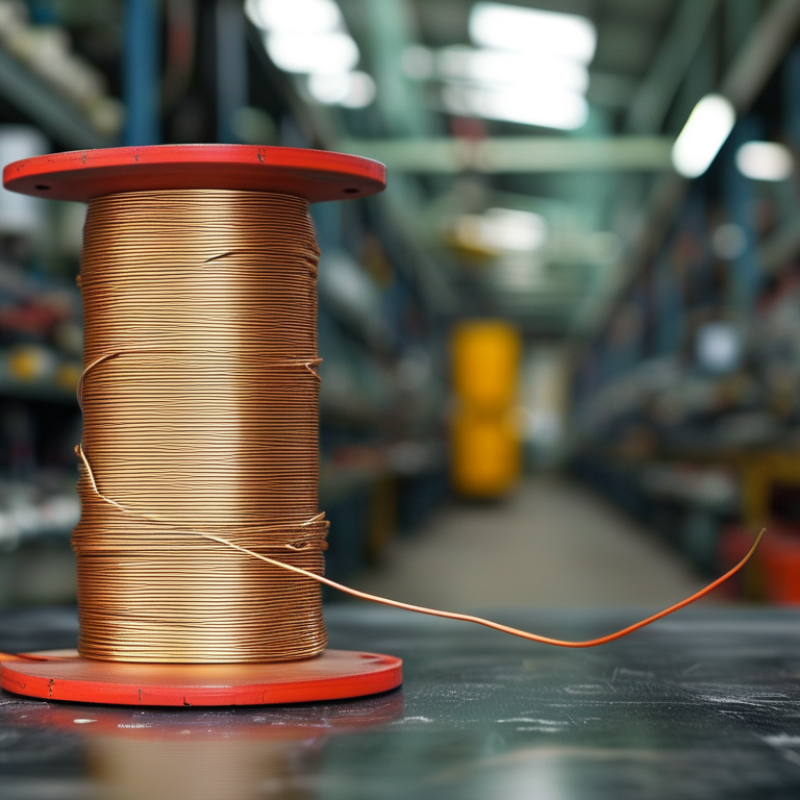
Single strand wire is a simple yet versatile electrical wire. It consists of a single conductor, usually made from materials like copper or aluminum. This type of wire is typically used in various applications, including electrical circuitry, appliances, and craft projects. The design allows for flexibility in installation and helps in minimizing electromagnetic interference.
When choosing single strand wire, consider several factors. Gauge size is crucial; a lower gauge indicates a thicker wire. Thicker wires can handle more current. Insulation type matters too. Different environments require different insulation materials. For example, outdoor use necessitates UV-resistant insulation. Moreover, the strength of the wire should suit your specific needs.
Many suppliers provide single strand wire, but not all are reliable. Research suppliers to find those with positive reviews and a solid reputation. Look for quality certifications to ensure consistent performance. It’s vital to strike a balance between cost and quality. While cheaper options exist, they may not meet safety standards. Always prioritize reliability over savings in your selection process.
Characteristics and Applications of Single Strand Wire
Single strand wire is a versatile and essential material in many industries. Its characteristics make it suitable for various applications. Typically, single strand wire is made from copper or aluminum, known for excellent conductivity and flexibility. It is usually coated with insulation for safety and durability. This kind of wire is often employed in electrical installations, automotive wiring, and electronic devices.
In the electrical sector, single strand wire is favored for its ease of handling. It is flexible and can be easily routed through tight spaces. For residential use, single strand wire connects appliances and fixtures. In industrial settings, it plays a crucial role in machine assemblies and installations. However, its rigidity can be a drawback. It may not be ideal for applications requiring frequent movement or bending.
Selecting the right supplier is vital. Look for those who demonstrate industry expertise and offer quality assurance. Reviews and testimonials are helpful but can be misleading. Consider the supplier's certifications and standards instead. Gauging customer service effectiveness is equally important. A responsive supplier can make the purchasing process smoother. Balancing cost and quality is challenging. Some may compromise quality due to lower prices. Reflect on your choices carefully before making a decision.
Benefits of Using Single Strand Wire in Various Industries
Single strand wire is widely utilized across various industries due to its unique properties. In electrical applications, its flexibility and conductivity make it a reliable choice. This wire can withstand significant stress, making it suitable for both indoor and outdoor projects. In automotive and manufacturing sectors, single strand wire serves as crucial components for wiring and connections.
Many industries benefit from the lightweight nature of single strand wire. It is easier to handle and install, which reduces labor costs. The cost-effectiveness is another advantage that companies appreciate. However, concerns may arise regarding its durability and resistance to environmental factors. Regular assessments are important to ensure longevity and performance.
Choosing the right supplier reveals its challenges. Not every supplier offers high-quality single strand wire. Researching supplier credentials helps identify reliable sources. Industry certifications and customer feedback can guide decisions. Balancing cost and quality is essential, as cheaper options might compromise reliability. Always seek recommendations and evaluate supplier performance to ensure you position your business for success.
Factors to Consider When Choosing a Supplier for Single Strand Wire
When choosing a supplier for single strand wire, several factors deserve attention. Quality is paramount. Ensure the wire meets industry standards and is free from defects. Suppliers should provide certifications and test reports. Look for those who perform rigorous quality checks throughout the production process.
Another critical factor is experience. A supplier with years in the industry understands market dynamics and can offer valuable insights. They should have a proven track record of delivering on time, every time. Communication is vital too. A responsive supplier can address concerns quickly, minimizing potential disruptions.
Price is essential but should not be the only factor. The cheapest option may compromise quality. Consider value over cost. Additionally, assess the supplier’s technical support. Can they assist with product specifications and installation? A well-rounded supplier enhances the overall project effectiveness, reflecting the importance of thorough research.
Top Qualities to Look for in a Reliable Single Strand Wire Supplier
Choosing the right single strand wire supplier is crucial for your projects. Look for experience in the industry. Suppliers with a solid track record often have the expertise needed to guide you. They understand the specifications that matter. A supplier should also provide various types of single strand wire. This variety allows you to find a perfect match for your needs.
Quality matters. Assess the materials used to produce the wire. High-quality wire is typically made from copper or aluminum. These materials ensure durability and reliability. Check for certifications or industry standards as well. A reliable supplier should have no issue providing this information.
Customer service can make a difference. A responsive supplier is always a plus. They should offer support and answer your questions. A quick response time shows commitment. Remember to ask for samples if possible. Testing wire samples can better inform your choice. This proactive approach helps avoid potential issues in the future. Reflect on your experiences, and trust your instincts when selecting a supplier.
What is Single Strand Wire and How to Choose the Best Supplier? - Top Qualities to Look for in a Reliable Single Strand Wire Supplier
| Quality Parameter |
Description |
Importance |
| Material Quality |
The wire should be made from high-grade materials for durability and performance. |
Ensures long life and reliability of wire. |
| Manufacturing Standards |
Adherence to international manufacturing standards and regulations. |
Critical for quality assurance and safety compliance. |
| Customer Service |
Responsive support for inquiries, orders, and issues. |
Enhances customer satisfaction and loyalty. |
| Supply Chain Reliability |
Ability to deliver on time and maintain inventory levels. |
Prevents project delays and ensures availability of materials. |
| Pricing |
Competitive pricing aligned with market standards. |
Balancing cost and quality for optimal purchasing decisions. |
Conclusion
Single Strand Wire is a type of electrical conductor known for its simplicity and effectiveness in various applications. This wire is characterized by its single strand of metal, typically copper or aluminum, which allows for efficient electrical conductivity. It is widely used across industries, from construction and telecommunications to automotive and manufacturing, due to its lightweight and flexible nature.
When selecting a supplier for Single Strand Wire, several factors should be taken into account. Key qualities to look for include product quality, supplier reliability, and customer service. A reputable supplier should offer consistent specifications and certifications, ensuring that the wire meets industry standards. By considering these elements, businesses can effectively find a trusted source for Single Strand Wire that aligns with their operational needs and project requirements.

 Linde Cable