In today’s fast-paced world, choosing the right Electric Cable Wire is crucial for various industries. With countless options available, making an informed decision can be challenging. Buyers need reliable solutions that meet their specific needs. This article highlights the top ten Electric Cable Wire solutions sought by global buyers.
When selecting electric cable wires, factors such as durability and efficiency come into play. Quality varies greatly among manufacturers, making it imperative to assess options carefully. Many buyers overlook the importance of certifications and standards. This oversight can lead to costly mistakes.
Understanding different applications helps buyers make better choices. The right electric cable wire not only enhances performance but also ensures safety. This overview aims to guide buyers in navigating their options. By considering the top solutions, businesses can improve their projects and prevent potential issues.
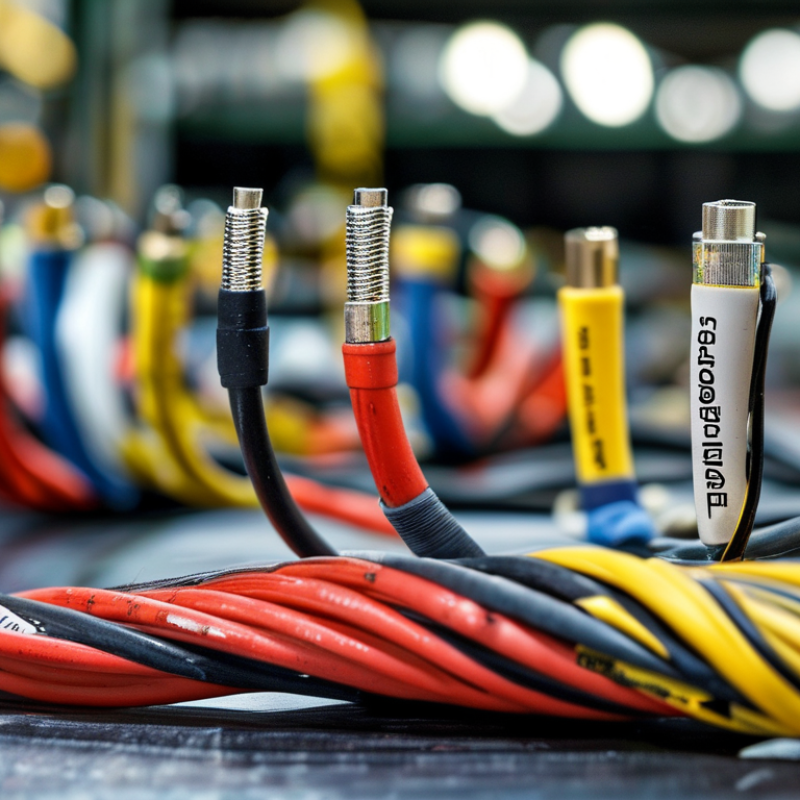
When it comes to electric cable wires, specifications and standards play a crucial role. Various industries require specific characteristics from cables. For instance, voltage rating, temperature range, and insulation type are significant factors. Different regions may have additional criteria for certification.
Further, understanding the different materials used in electric cables is essential. Copper and aluminum are popular choices due to their conductivity and weight. However, durability and flexibility can vary. Some cables may not withstand extreme conditions, raising concerns for certain applications. Quality assurance processes have varied successes in ensuring reliability across the board.
In addition to technical specifications, buyers must consider regulatory standards. Compliance with international norms can significantly enhance product trustworthiness. The range of certifications can be overwhelming, yet each plays a part in safety and performance. It's essential for buyers to diligently research and understand these standards before making decisions.
The global demand for electric cable wire solutions continues to surge. According to a recent market analysis, the global electric wire and cable market is expected to grow at a CAGR of over 5% between 2023 and 2030. This growth reflects increased investments in infrastructure and renewable energy sectors. Emerging markets are also playing a crucial role, driven by industrialization and urbanization.
The shift towards electric vehicles (EVs) has accelerated the demand for specialized wire solutions. A report by the International Energy Agency indicates that the electric vehicle market could reach over 145 million units by 2030. This trend creates additional pressure on manufacturers to innovate and provide efficient solutions. Despite this growth, concerns around material shortages and supply chain disruptions remain prevalent.
Manufacturers must adapt to these challenges and invest in sustainable practices. In a recent survey, 60% of industry leaders expressed concerns about sourcing high-quality raw materials. This highlights the need for enhanced supply chain strategies. Achieving reliability in production is more critical than ever as the demand expands. The adaptability of stakeholders will determine the future landscape of the electric cable wire market.
The electric cable wire market is booming. With various manufacturers and suppliers leading the charge, global buyers have much to consider. These key players focus on quality and innovation in their products. They provide options that cater to a wide range of industries, from construction to telecommunications. Their expertise and reliability make them invaluable partners for businesses.
When choosing a supplier, consider their certification and compliance standards. This can indicate the level of trust you can place in their products. Look for those who have a track record of delivering high-quality cables. Price is important, but don’t compromise on essential factors like material and durability.
It’s also wise to think about the supplier's ability to meet your specific needs. Flexibility in production and customization can be crucial. Remember that not all manufacturers offer the same level of service. Research and ask questions. This diligence can lead to better long-term partnerships.
Always check reviews and ratings from previous clients. This can provide insights into their performance. Transparency in communication is key. A willing supplier will answer your queries promptly. Consider conducting site visits if possible. Getting a firsthand look at their operations can be revealing.
Innovative technologies in electric cable wire production and design are transforming the industry significantly. Recent reports indicate that global cable production is expected to reach 3.6 million metric tons by 2025, with a compound annual growth rate of 4.5%. Advanced materials, such as high-conductivity copper and expanded polymer resins, are enhancing efficiency and durability.
Improving energy efficiency is crucial. Techniques like solid-state processing and advanced insulation materials reduce power loss and increase lifespan. Moreover, smart technologies integrate IoT capabilities into wires, allowing for real-time monitoring of electrical systems. This innovation improves maintenance and safety standards across various applications.
Tips: Consider selecting cables designed for your specific environment. Evaluate temperature ratings and flexibility requirements. Regularly reviewing materials and technologies can uncover cost-saving opportunities. Always consult industry standards to ensure compliance and safety for your installations.
The electric cable wire industry is evolving towards sustainable practices. Reports indicate that nearly 25% of the industry's energy consumption comes from renewable sources. This shift not only reduces carbon footprints but also encourages innovation in manufacturing processes.
In recent years, many manufacturers focused on recycling materials. According to data, around 40% of copper used in cables is recycled. This significantly reduces waste and the need for new raw materials. However, challenges remain. The recycling process can be energy-intensive. Some companies still rely on non-renewable resources for production, which raises questions about overall sustainability.
Furthermore, the growing demand for electric vehicles emphasizes the need for sustainable wire solutions. EV manufacturers require cables that are both efficient and sustainable. This trend prompts the industry to invest in greener alternatives like biodegradable insulation. Such initiatives show promise, but the journey is far from complete. Balancing performance with environmental responsibility remains a challenge.
: The market is expected to grow at a CAGR of over 5% from 2023 to 2030.
Increased investments in infrastructure and renewable energy push the demand higher.
The shift to electric vehicles is boosting demand for specialized wire solutions significantly.
Material shortages and supply chain disruptions are significant concerns for manufacturers.
Sustainability is crucial, with about 25% of industry energy coming from renewable sources.
Buyers should evaluate certification standards, product quality, and customization capabilities.
Around 40% of copper used in cables is recycled, reducing waste and raw material needs.
Transparent communication helps build trust and ensures prompt responses to inquiries.
The recycling process can be energy-intensive, and reliance on non-renewable resources remains an issue.
Yes, manufacturers are exploring greener alternatives like biodegradable insulation, though challenges persist.
The article "Top 10 Electric Cable Wire Solutions for Global Buyers" explores critical aspects of the electric cable wire industry. It begins with an overview of essential specifications and standards that govern electric cable wire production, emphasizing the importance of compliance in ensuring quality and safety. The market analysis section delves into global demand trends for electric cable wire solutions, highlighting factors driving growth and consumer preferences.
Additionally, the article identifies key manufacturers and suppliers that shape the electric cable wire market while showcasing innovative technologies that enhance production efficiency and design. Sustainability practices are also addressed, illustrating how the industry is adapting to environmental concerns through eco-friendly materials and processes. Overall, this comprehensive guide serves as a valuable resource for global buyers seeking informed decisions in the electric cable wire sector.

Linde Cable