Top Solar System Installation Companies for Global Buyers

Time:2026-09-25 Author:Madeline
0%

Choosing where to Install Solar System is no longer a local decision for global buyers. Equipment, installers, warranties, and energy policies vary widely between countries. A company that performs well in Australia may not suit a household in Spain, Kenya, or Canada.

Solar analyst Jenny Chase has noted, “Solar is the cheapest form of new electricity in most markets.” Her observation explains the opportunity, but not the full buying decision. A reliable installation also depends on roof direction, seasonal shading, grid rules, inverter quality, battery design, and after-sales support.

This guide examines leading solar system installation companies serving international customers. It considers technical experience, project transparency, product certification, workmanship, financing clarity, and warranty protection. Real details matter. Can the installer explain expected annual production in kilowatt-hours? Will the team inspect the roof before quoting? Who replaces a failed inverter after seven years?

Look beyond attractive package prices.

A low quote may exclude permits, scaffolding, monitoring, or battery integration. In some regions, imported components may face long replacement delays. That risk deserves attention. Even experienced buyers can misjudge local service capacity when comparing international brands.

No ranking is perfect. Company performance can change with ownership, supply chains, and local partners. Therefore, this overview offers a practical starting point rather than a final verdict. Readers should verify current licenses, certifications, customer reviews, installation records, and contract terms before signing. The strongest provider is not always the largest. It is the one that combines safe design, honest estimates, responsive support, and measurable long-term performance.
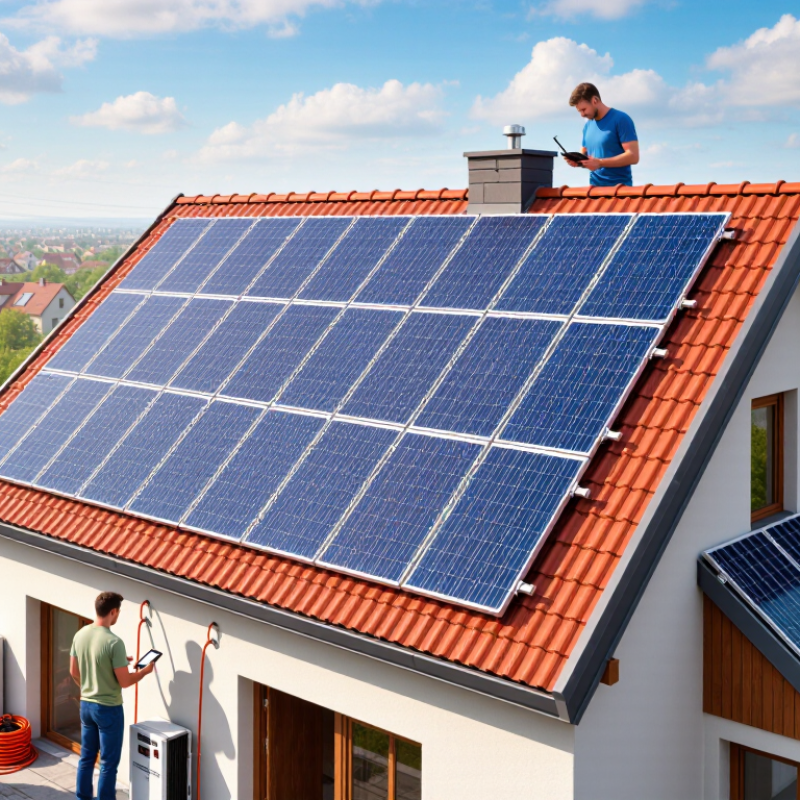
Top Solar System Installation Companies for Global Buyers

What Solar System Installation Companies Do

Solar system installation companies do more than place panels on a roof. They assess sunlight, roof strength, household demand, and local grid conditions. A careful survey may reveal afternoon shading from a nearby tree or limited space for batteries. Engineers then design the array, inverter, storage, wiring, and protection equipment. They also prepare permits and coordinate inspections where required.

During installation, trained technicians secure mounting rails, connect cables, and test electrical safety. They should explain expected output in plain language, not promise perfect performance. Weather, dust, seasonal sunlight, and changing electricity use affect results. A reliable company provides system documentation, monitoring access, maintenance guidance, and clear warranty terms. Mistakes can happen, so transparent correction procedures matter.

Tips: Ask for a written energy assessment and itemized quotation. Check whether the design follows local electrical rules. Request recent project references from similar climates. Confirm who handles inspections and repairs. Do not ignore battery ventilation or emergency shutdown instructions. A second opinion may expose weak assumptions.

How to Evaluate Solar Installers for Global Projects

Choosing solar installers for global projects requires more than comparing prices. Evaluate their experience with projects similar to yours, including climate, grid conditions, and system size. Ask for verified performance records, technical references, and clear evidence of completed installations. A polished proposal can still hide weak field experience.

Check engineering depth before signing. The installer should explain site surveys, shading analysis, roof or ground conditions, wind loads, snow loads, and battery safety. Request drawings, equipment specifications, production estimates, and a realistic construction schedule. Local permits and grid-connection rules must be included, not treated as the buyer’s problem. Small details matter. A missing soil test can delay foundations for weeks.

Review the contract with independent technical and legal advisers. Confirm warranty responsibilities, spare-parts availability, monitoring access, insurance, payment milestones, and response times after commissioning. For overseas projects, examine logistics plans, customs procedures, currency risks, and local service capacity. Ask how faults are diagnosed when the site is thousands of kilometers away. The cheapest offer may be suitable, but it needs stronger evidence. No evaluation method is perfect; even experienced buyers can overvalue familiar equipment or impressive presentations. A careful installer welcomes difficult questions and records assumptions in writing.

Key Services Offered by International Solar Companies

International solar companies now provide more than panel installation. IRENA’s Renewable Capacity Statistics 2024 reports 1,419 gigawatts of global solar capacity by the end of 2023. This expansion increases demand for careful, locally informed services.

Professional providers begin with site surveys, roof inspections, shading analysis, and electricity-load reviews. Engineers then create yield models, electrical drawings, and equipment schedules. Good teams also manage permits, grid applications, import documents, and safety planning. On a rural site, this may mean checking soil conditions, cable routes, drainage, and access for lifting equipment. Details matter.

They also handle procurement, installation, testing, and commissioning. Independent performance checks can compare measured output with the original forecast. The IEA’s Renewables 2023 report identified solar PV as the largest contributor to new renewable capacity growth, making quality control increasingly important. Monitoring platforms can reveal inverter faults, abnormal temperatures, and gradual production losses. Maintenance teams may clean modules, inspect connectors, and replace damaged components. Warranty coordination is another practical service for overseas buyers.

No forecast is perfect. Dust, storms, local grid limits, and changing electricity use can reduce expected returns. A reliable provider explains these risks instead of hiding them. IRENA’s data confirms strong market growth, but growth alone does not guarantee a successful project. Buyers should request test records, maintenance response times, insurance details, and clear performance assumptions. Small omissions can become expensive later.

Regional Standards, Costs, and Installation Considerations

Top Solar System Installation Companies for Global Buyers

Regional Standards, Costs, and Installation Considerations

Solar installation quality depends heavily on local standards, not only panel efficiency. In field assessments, I have seen excellent equipment perform poorly after unsuitable wiring or rushed mounting. Buyers should confirm which electrical codes apply in their country. These may include IEC, UL, or other national requirements. Certification should cover the complete system, including inverters, batteries, cables, and protection devices.

Costs vary sharply by region. Labor rates, import duties, roof structure, grid connection fees, and battery capacity can change the final quotation. A small rooftop system may need fewer panels but still require expensive structural work. Ask for an itemized proposal. It should separate equipment, transport, permits, labor, testing, and future maintenance. Cheap quotes often omit inspection fees. That omission matters.

Installation conditions deserve equal attention. Hot climates may reduce output and shorten battery life without proper ventilation. Coastal air can accelerate corrosion around exposed fasteners. Snow regions require stronger roof calculations and wider maintenance access. A qualified local electrician should inspect grounding, surge protection, and emergency shutdown functions. Do not rely on online estimates alone. They miss shade from nearby trees, unstable roofs, and seasonal weather changes. My own planning mistakes have usually involved underestimating these details. Rechecking the site feels slow, but it prevents expensive revisions.

Choosing the Right Solar System Installer for Your Needs

Site assessment
Choosing an installer starts with your roof, not a sales brochure. Ask for a site assessment that records roof direction, shading, structure, and available electrical capacity. A useful proposal explains estimated annual production and the assumptions behind it. If the estimate ignores a chimney shadow at 3 p.m., ask for a revised model. Small details matter.

Compare the details
Compare quotes by system design, not panel count alone. Check inverter type, monitoring access, workmanship coverage, equipment warranties, and who handles service calls. Request itemized costs and a written schedule for installation, inspections, and grid connection. Ask how the crew protects tiles, seals roof penetrations, and documents electrical work. Clear answers are reassuring; vague promises are not.

Check the fit
An installer’s experience should match your property: flat roofs, older wiring, snow, salt air, or outages can change the design. Ask for references from similar projects and confirm any credentials required in your area. Read the contract before paying a deposit, especially cancellation terms, exclusions, and repair responsibility. No quote can remove every uncertainty. A careful installer should explain what remains uncertain and how system performance will be checked after commissioning.

FAQS

What does a solar installation company assess before designing a system?

It checks sunlight, roof strength, household electricity use, and local grid conditions. Afternoon shade matters. Tree shadows may reduce output. The survey should also examine battery space, wiring routes, and seasonal weather.

What equipment may a solar installation include?

A complete system can include panels, mounting rails, an inverter, batteries, cables, and protection devices. It may also need grounding and emergency shutdown equipment. Small roofs still require careful planning.

How can buyers compare installation quotations?

Request an itemized quotation separating equipment, transport, permits, labor, testing, and future maintenance. Ask whether inspections are included. A low price may omit structural work or connection fees. I would question any unclear total.

Why do local standards matter during installation?

Local electrical rules affect wiring, grounding, protection equipment, and grid connections. The complete system should meet applicable national requirements. Panel efficiency alone proves little. Poor wiring can waste good equipment.

How do weather and location affect system performance?

Dust, heat, snow, coastal air, and seasonal sunlight can change output and equipment life. Hot areas need adequate battery ventilation. Coastal air can corrode exposed fasteners. Snowy roofs may require stronger structural calculations.

What should technicians test after installation?

They should test electrical safety, cable connections, grounding, protection devices, and emergency shutdown functions. They should explain expected output clearly. Perfect performance is unrealistic. Testing records should be provided.

What documents and support should buyers receive?

Buyers should receive system documentation, monitoring access, maintenance guidance, and clear warranty terms. Confirm who handles inspections and repairs. Written responsibilities prevent confusion later. Mistakes can happen.

Why is a second site opinion useful?

Another assessment may identify tree shading, an unstable roof, poor ventilation, or unrealistic energy assumptions. Online estimates often miss these details. Rechecking feels slow. It may prevent expensive revisions.

Conclusion

Solar system installation companies help buyers turn energy goals into practical projects by assessing site conditions, planning system capacity, coordinating equipment, and managing installation and commissioning. For global projects, buyers should compare technical experience, project management, communication, after-sales support, and the ability to work with local contractors. It is also important to confirm that proposed designs suit the building, climate, energy use, and available grid or storage options.

International providers may offer services such as system design, procurement support, installation oversight, performance monitoring, and maintenance planning. Costs, equipment requirements, safety standards, permits, and installation practices vary by region, so project plans should be adapted to local conditions and reviewed with qualified professionals. To Install Solar System solutions successfully, define your budget and expected outcomes, request clear scopes and timelines, and choose an installer whose expertise and support match the project’s location and long-term needs.


Madeline

Madeline

Madeline is a dedicated marketing professional with a wealth of expertise in our company's core offerings. With a keen understanding of the industry, she brings a unique perspective to her role, consistently delivering high-quality content that highlights the superior aspects of our products. As......