Why Electrical Wire Sizes Matter for Global Buyers?

Time:2026-10-28 Author:Amelia
0%

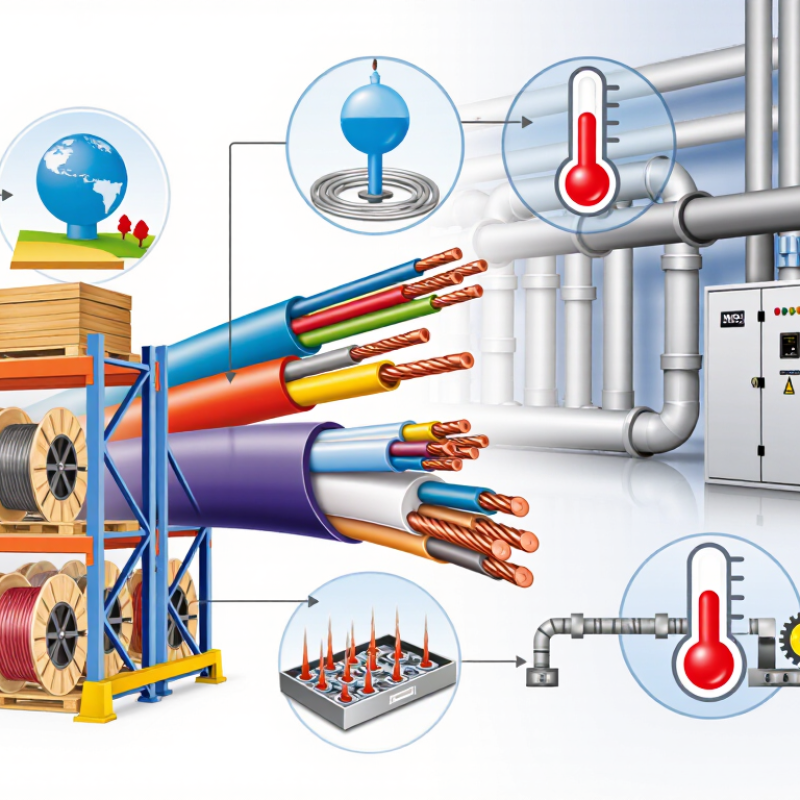
For global buyers, Electrical Wire Sizes are not a minor technical detail. They influence safety, performance, installation cost, and product acceptance. A cable that appears suitable in a warehouse may overheat after installation. The risk increases with long cable runs, high ambient temperatures, bundled conductors, or continuous loads.

Mike Holt, a recognized electrical educator, states, “The NEC is not a design manual.” His warning matters to international purchasers. Electrical codes provide safety requirements, but buyers must still evaluate the actual application. Conductor material, insulation temperature, ampacity, voltage drop, and installation conditions all affect the correct size. A copper cable and an aluminum cable may carry different loads, even when their labels look similar.

The details become visible on site. A 100-meter run to a pump may lose noticeable voltage. A cable placed inside a crowded tray may dissipate heat poorly. These conditions can change the practical selection. Sometimes, buyers focus too heavily on price. That is understandable, but it can create expensive failures later.

Standards also vary between markets. North American projects may reference NEC requirements, while many international projects follow IEC-based practices. Certification marks, test reports, conductor dimensions, and metric sizing deserve careful review. Product names alone are not enough. This introduction explores how global buyers can compare Electrical Wire Sizes with greater confidence, while recognizing an uncomfortable truth: even experienced teams can overlook one installation detail. Careful verification remains essential.
Why Electrical Wire Sizes Matter for Global Buyers?

Electrical Wire Size: Definition and Core Measurement Standards

Why Electrical Wire Sizes Matter for Global Buyers?

Electrical Wire Size: Definition and Core Measurement Standards

For global buyers, wire size describes the conductor’s effective cross-sectional area, not merely its outside diameter. In metric markets, suppliers usually state area in square millimetres, such as 1.5 mm² or 6 mm². American Wire Gauge uses numbered sizes, where a smaller number generally means a larger conductor. That difference can confuse purchasing teams.

The conductor area affects current capacity, voltage drop, resistance, and heat generation. However, size alone never determines safe performance. Engineers also check conductor material, insulation temperature rating, installation method, ambient temperature, and circuit length. A 6 mm² cable in open air may carry a different current than one inside a crowded conduit. Long runs need special attention. Voltage drop can dim lighting or weaken equipment performance, even when the cable does not feel hot. This detail is often missed.

Core measurement standards vary by destination, so buyers should request the applicable national or regional standard before approval. IEC-based documentation may use metric area and conductor classes, while other systems emphasize AWG, diameter, or resistance. Do not compare labels alone. Check conductor resistance per kilometre, cross-sectional tolerance, insulation markings, test reports, and certification scope. A conversion table is useful, but it is not a final design decision. I would also confirm whether the stated size covers the conductor only or the complete cable. That small wording difference can change cost, weight, and compatibility. Careful review feels slow. It prevents expensive assumptions.

Why Electrical Wire Sizes Matter for Global Buyers?

Electrical Wire Size: Definition and Core Measurement Standards

This chart uses common IEC 60228 nominal conductor cross-sectional areas. The resistance values are theoretical values for 100 meters of solid copper conductor at 20°C, calculated using copper resistivity of 0.017241 Ω·mm²/m. Larger cross-sectional areas generally provide lower resistance, but allowable current depends on insulation, installation method, ambient temperature, conductor material, and local electrical codes.

How Wire Gauge Affects Current Capacity and Electrical Performance

Why Electrical Wire Sizes Matter for Global Buyers?

How Wire Gauge Affects Current Capacity and Electrical Performance

Wire gauge directly affects how much current a cable can carry safely. A larger cross-sectional area usually means lower resistance and less heat. A smaller wire may heat quickly when a motor, heater, or long lighting circuit operates continuously. That heat wastes energy and can damage insulation over time. It may also cause voltage drop, making lamps dim or motors start poorly.

Global buyers should not compare gauge numbers alone. AWG and metric sizes, such as mm², use different naming systems. Installation conditions matter too. Ambient temperature, cable length, copper quality, insulation rating, and bundled cables all change the permitted current. For example, a 2.5 mm² copper cable may support different loads under different standards and installation methods. Always check the supplier’s technical data and the applicable electrical standard.

A practical review starts with the equipment’s rated current and the expected cable length. Then, calculate voltage drop and confirm the cable’s ampacity under real conditions. Do not rely on appearance. A thick-looking cable can still perform poorly if its conductor is inferior or its connections are loose. Even experienced buyers can overlook terminal temperature. That small detail deserves attention.

Independent test reports, clear conductor specifications, and traceable quality records improve purchasing decisions. I would also leave a safety margin, because actual loads are rarely as tidy as the original design.

Choosing Wire Sizes for Different Voltage, Distance, and Load Conditions

For global buyers, wire size must match voltage, distance, and load conditions. A 3,000-watt appliance draws about 13 amps at 230 volts, but 25 amps at 120 volts. Lower voltage requires more current and often a larger conductor. Distance adds another problem. Resistance increases as the cable becomes longer, causing voltage loss and heat.

Consider a 30-meter circuit using 2.5 mm² copper wire. With a 230-volt supply and a 3,000-watt load, the estimated voltage drop may approach 2.5%, assuming a 60-meter round-trip length. At 120 volts, the same load could produce nearly 9% loss. That difference can reduce motor performance and shorten equipment life. The International Electrotechnical Commission’s IEC 60364-5-52 guidance and the 2023 National Electrical Code commonly reference approximately 3% for a branch circuit and 5% for the complete circuit, although local requirements vary.

Sizing also depends on installation method, ambient temperature, insulation rating, and grouped cables. The IEA Electricity 2024 report projects global electricity demand to grow by an average 3.4% annually through 2026, increasing pressure on distribution systems. A simple ampacity table is not enough. A spreadsheet can still mislead. Buyers should request calculations for continuous loads, startup current, and the actual route length. Oversizing can raise cost, while undersizing creates avoidable losses and safety concerns.

Global Standards, Safety Codes, and Regional Sizing Differences

Wire size is not a universal shopping number. It depends on safety codes, installation conditions, and regional measurement systems. In the United States, NFPA 70 (2023), Table 310.16, rates 12 AWG copper at 20 amperes and 10 AWG copper at 30 amperes under specified conditions. These values change with temperature, insulation rating, and installation method. IEC 60364-5-52 uses conductor areas in square millimetres and applies correction factors for grouping, ambient heat, and enclosure conditions.

Regional differences can create expensive mistakes. A 2.5 mm² conductor is not automatically equivalent to a specific AWG size. Voltage drop limits also vary by project and national practice. A long cable feeding a refrigeration unit may need a larger conductor, even when its current appears acceptable. In export reviews, I have seen buyers trust conversion charts too quickly. That shortcut feels efficient, but it can ignore local inspection rules. Standards should be checked with a qualified engineer before production.

Tips: Request the destination country, circuit voltage, load current, cable length, conductor material, insulation temperature, and installation method. Compare the selected cable with the latest local code, not an old spreadsheet. Keep the technical file, test reports, and correction-factor calculations together. Small details matter. A sizing decision can look correct on paper and still fail in a hot, crowded cable tray.

Common Wire Sizing Mistakes Made by International Buyers

Electrical wire size matters because a cable must safely carry current over its actual installation distance. International buyers often select wire by price, outer diameter, or a familiar gauge number. That approach can fail. AWG and square millimetres are not interchangeable labels. A 2.5 mm² conductor does not automatically match every 12 AWG requirement.

One common mistake is checking ampacity without calculating voltage drop. A 40-metre run to a motor may need a larger conductor than a short indoor connection. Heat also changes the result. Bundled cables, warm enclosures, and limited airflow can reduce the allowable current. The conductor material matters too. Copper and aluminium require different resistance calculations and termination practices.

Details matter. Request the conductor cross-sectional area, material, insulation temperature rating, resistance value, and applicable test documentation. Confirm whether the listed size describes the conductor or the entire cable. That confusion appears frequently in overseas quotations. A vague phrase like “heavy-duty wire” proves very little. It may sound reassuring.

A practical purchasing check should compare the supplier’s data with the destination installation standard and a qualified engineer’s calculation. Do not rely only on a catalogue table. I once assumed a larger outside diameter meant a larger conductor, but insulation thickness created the illusion. That mistake was avoidable. A second review would have caught it.

FAQS

What does electrical wire size actually describe?

It describes the conductor’s cross-sectional area. Metric sizes use square millimetres, such as 1.5 mm² or 6 mm². The outer diameter may include insulation. That difference can affect cost, weight, and compatibility.

Does a larger wire always carry more current safely?

Usually, a larger conductor has lower resistance and produces less heat. However, size alone does not determine safe current capacity. Installation method, insulation rating, temperature, and cable length also matter. Bigger is not automatically correct.

Why can the same cable size have different current limits?

A cable in open air can cool better than one inside crowded conduit. Warm enclosures and bundled cables may reduce allowable current. Copper quality and insulation temperature ratings also influence performance. The installation conditions matter greatly.

How does cable length affect electrical performance?

Long cable runs can create voltage drop. A 40-metre motor connection may need a larger conductor than a short indoor circuit. Voltage drop can dim lamps or weaken motor starting. The cable may still feel cool.

Can buyers directly compare gauge numbers with square millimetres?

No. Gauge systems and metric area systems use different labels. A familiar gauge number may not equal the expected metric size. Use conversion tables only as a starting point. Verify resistance and conductor area.

What information should buyers request from a supplier?

Request conductor area, material, insulation rating, and resistance per kilometre. Also request tolerances, test reports, and applicable certification scope. Confirm whether the stated size covers the conductor only. Wording matters here.

What common wire-sizing mistake should buyers avoid?

Do not select cable by price, appearance, or outer diameter alone. Thick insulation can make a small conductor look larger. A phrase like “heavy-duty wire” proves very little. I have trusted appearance before. That was avoidable.

How should buyers verify a proposed cable size?

Start with equipment current and the actual cable length. Calculate voltage drop under expected operating conditions. Then confirm ampacity using the destination installation standard. A qualified engineer should review the final choice.

Conclusion

Electrical Wire Sizes are a fundamental factor in designing safe and reliable electrical systems. Wire size is typically defined by conductor cross-sectional area or gauge, with larger conductors generally offering lower resistance and greater current-carrying capacity. Selecting the correct size helps control voltage drop, heat generation, energy efficiency, and overall electrical performance. The appropriate choice depends on voltage, load demand, installation distance, ambient conditions, and whether the circuit is continuous or subject to temporary surges.

For global buyers, understanding regional measurement systems and electrical standards is equally important. Different markets may use different gauge references, metric dimensions, insulation ratings, color conventions, and safety requirements. Buyers should verify that wire sizes match local codes and the intended application rather than relying only on familiar specifications. Common mistakes include confusing gauge systems, ignoring voltage drop over long distances, choosing based solely on price, and underestimating load or environmental conditions. Careful technical review and clear documentation can reduce compatibility risks and support safer international procurement.


Amelia

Amelia

Amelia is a seasoned marketing professional with a wealth of expertise in our company’s core offerings. With an unwavering passion for driving growth and innovation, she plays a pivotal role in shaping our marketing strategies and enhancing brand visibility. A key aspect of her responsibilities......