The modern wire and cable industry serves as the nervous system of global infrastructure. From the transmission grids powering megacities to the intricate cabling inside high-tech medical facilities, the reliability of these components is non-negotiable. As we analyze the market from a semantic and industrial perspective, we observe a clear transition: the shift from commoditized supply to value-added engineering partnerships.
The current industrial landscape is defined by three pillars: Decarbonization, Digitization, and Durability. Manufacturers are no longer just selling copper; they are providing integrated solutions for the energy transition. Whether it's high-temperature resistant cables for desert solar farms or LSZH (Low Smoke Zero Halogen) cables for smart buildings, the focus has shifted toward materials that extend service life and reduce operational risk.
For a wire corporation to maintain a competitive advantage, the technical roadmap must focus on material science. We are seeing a move towards graphene-enhanced conductors for reduced energy loss and intelligent cabling that integrates fiber optics for real-time monitoring of power lines. This "smart grid" compatibility is becoming a standard requirement for international tenders.
With an established presence in Southeast Asia, the Middle East, and South America, we understand local regulatory requirements, from IEC standards to specific national grid codes.
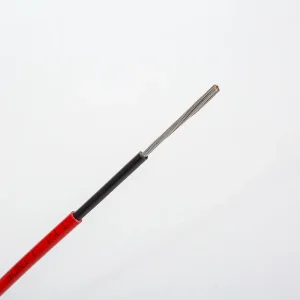
Our PV cable range is engineered for extreme UV exposure and temperature fluctuations, ensuring longevity in large-scale desert and utility-scale solar projects.
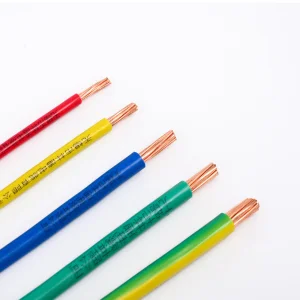
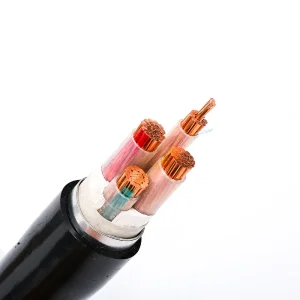
From high-rise commercial complexes to industrial manufacturing plants, our PVC and LSZH cables prioritize fire safety and electrical efficiency.
A: Choosing inferior quality wire leads to increased resistance (energy loss), insulation degradation (frequent replacement), and fire hazards. Investing in high-purity conductor material and superior insulation compounds—like those offered by Wuxi Linde—reduces total cost of ownership by 30% over a 10-year span.
A: Most international projects require adherence to IEC (International Electrotechnical Commission) standards. We specialize in providing certification documentation for IEC 60227, ensuring compliance with global electrical safety protocols.
A: In a crowded market, generic manufacturers provide only specs. We provide value-added data: installation guidance, environmental compatibility reports, and aging test results, giving you the certainty needed for critical infrastructure projects.
 Linde Cable