 Linde Cable
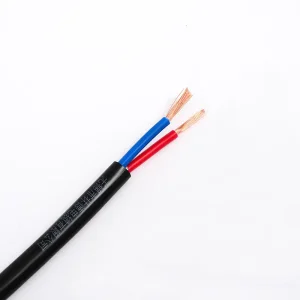
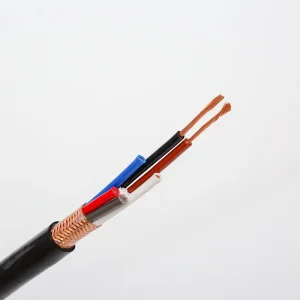
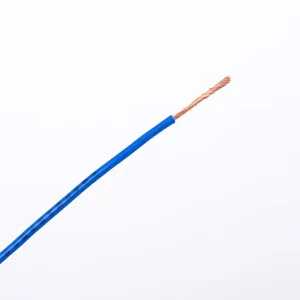
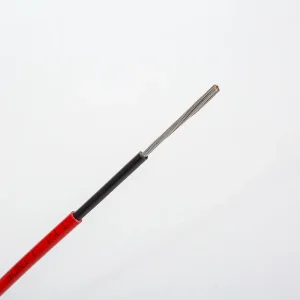
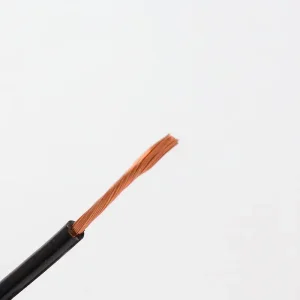
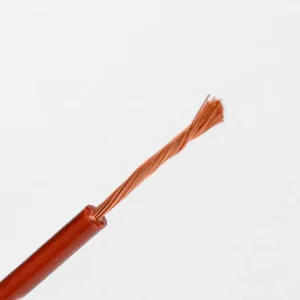
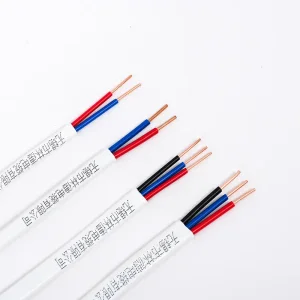
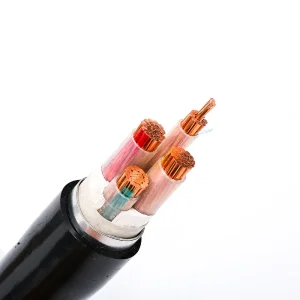
The "Current Carrying Capacity" (or Ampacity) of a cable is not merely a number; it is a critical safety parameter defined by the thermal limits of the insulation material and the ambient conditions. As an expert in power transmission infrastructure, we understand that selecting the right cable is about balancing electrical load with heat dissipation.
1. Factors Influencing Current Carrying Capacity
- Material Thermal Stability: Conductors like copper and aluminum behave differently under heat. Insulation types (PVC, XLPE, LSZH) define the maximum operating temperature (typically 70°C or 90°C).
- Ambient Temperature: Higher ambient temperatures reduce the capacity of the cable to dissipate heat. Our engineers provide derating factors to ensure safe operation.
- Installation Method: Whether the cable is buried in soil, installed in conduits, or suspended in air dramatically changes the heat transfer coefficient.
2. China Factory 4.0: Supply Chain Resilience & Efficiency
Modern Chinese manufacturing, particularly at Linde Cable, has shifted towards Industry 4.0. We utilize automated extrusion lines, precision copper drawing, and real-time IoT monitoring to ensure every meter of cable adheres to international quality benchmarks. This technological leap ensures that our products maintain consistent electrical characteristics, providing buyers with reliability that minimizes downtime.
3. Global Procurement & Localization
For international buyers, the challenge lies in localizing global standards (IEC, UL, VDE) for local conditions. We provide localized support by:
- Analyzing specific climatic conditions of your project (e.g., UV-resistant sheathing for African solar farms).
- Compliance audits: Ensuring all raw materials are REACH and RoHS compliant.
- Logistics Optimization: Leveraging cross-border logistics to ensure timely delivery for critical infrastructure projects.
4. Future Outlook: Tech Roadmap
The future of cable manufacturing is shifting towards 'Smart Cables'—integrating sensing capabilities to monitor real-time load and temperature. We are investing in R&D for high-conductivity, low-loss materials to support the global energy transition.