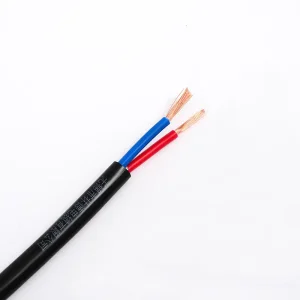
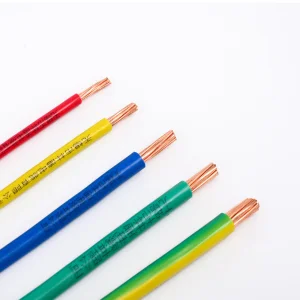
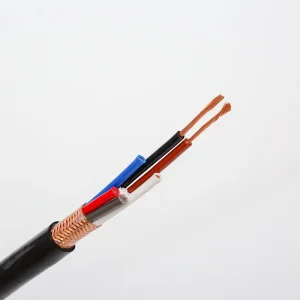
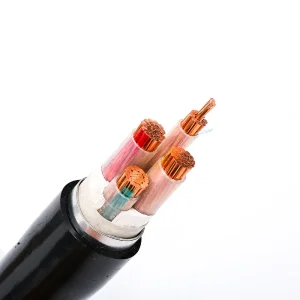
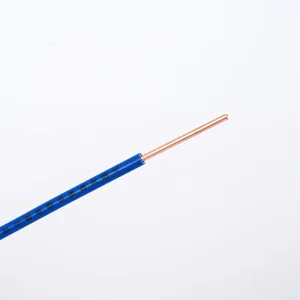
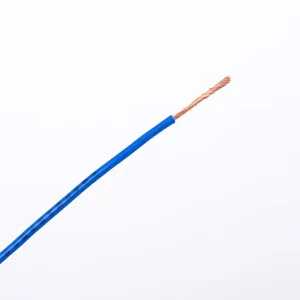
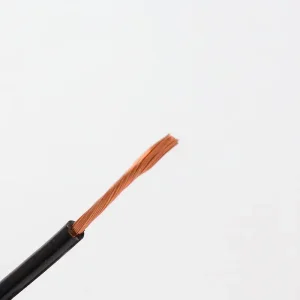
The power cable industry is shifting from traditional commodity manufacturing to high-value, specialized engineering. As an expert manufacturer, Linde Cable focuses on IEC standard harmonization—ensuring that Chinese-manufactured cables meet rigorous international benchmarks such as the 60227 IEC series. Our technical roadmap prioritizes high-temperature resistance, flame retardancy (Low Smoke Zero Halogen - LSZH), and increased mechanical durability for harsh industrial environments. Innovation today is not just about conductivity; it is about longevity in extreme conditions—from desert heat in the Middle East to high-humidity environments in Southeast Asia.
Global buyers are looking for security in their supply chain. China’s manufacturing ecosystem offers unmatched agility. By leveraging localized raw material sourcing (Copper/PVC/XLPE) and massive economies of scale, manufacturers like Linde Cable provide a buffer against global volatility. Our production efficiency is not merely about output speed; it is about precision—the ability to pivot production lines for customized cross-border orders within a timeframe that foreign competitors often cannot match.
Every region has unique regulatory demands. Whether it is compliance with local fire safety codes in Thailand, or harsh UV-resistance requirements for photovoltaic projects in Pakistan and Brazil, Linde Cable designs for the micro-climate of the project. This "fit-for-purpose" engineering minimizes maintenance costs and maximizes the lifecycle of the infrastructure—key factors for EPC (Engineering, Procurement, and Construction) contractors.
It's a combination of vertical supply chain integration, advanced automated production, and adherence to international standards like IEC/BS/UL, allowing for superior price-to-performance ratios compared to domestic brands in many western countries.
We provide full documentation, including third-party testing reports, material certification, and batch testing data. We align our manufacturing processes specifically with the electrical codes of the destination country.
 Linde Cable