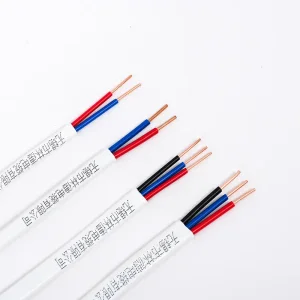
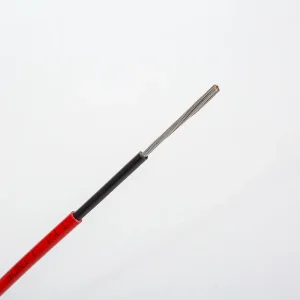
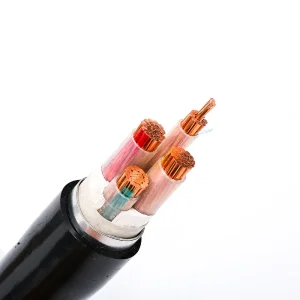
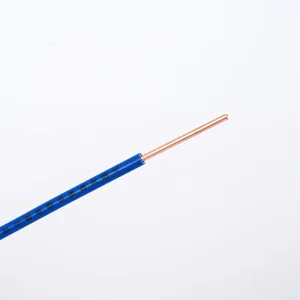
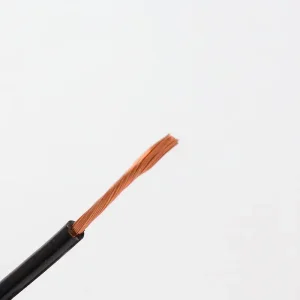
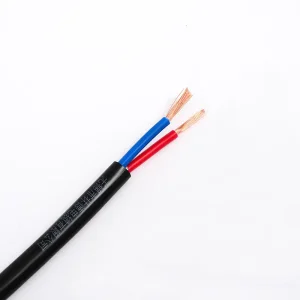
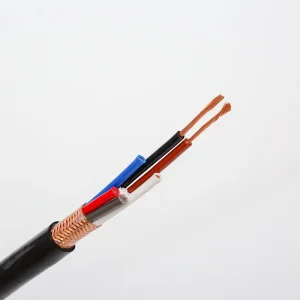
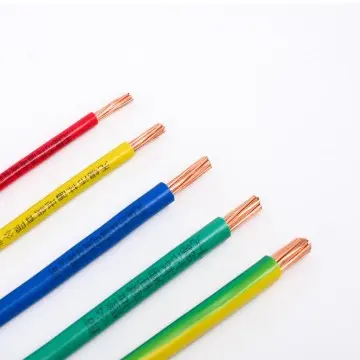
In the modern industrial landscape, electrical infrastructure forms the backbone of operational continuity. Armored cables—specifically Steel Wire Armored (SWA) and Steel Tape Armored (STA) variants—are engineered to withstand mechanical stress, rodent attacks, and harsh environmental factors that would compromise standard cables. As a wholesale manufacturer, we recognize that "Armored Cable" is not merely a commodity; it is a critical safety component in power distribution, telecommunications, and industrial automation.
When buyers search for "Wholesale Armored Cable Manufacturers," they are seeking more than just a price list. They are looking for supply chain reliability, manufacturing capacity, and technical compliance. At the intersection of E-E-A-T (Experience, Expertise, Authoritativeness, Trustworthiness), our manufacturing methodology ensures that we meet international standards like IEC, UL, and BS, providing the confidence that global project managers require.
In mining operations, cables are exposed to constant vibration, heavy machinery movement, and soil acidity. Our armored solutions provide the mechanical protection required to prevent downtime, ensuring signal integrity for control systems and power delivery for heavy equipment.
Photovoltaic (PV) farms and wind energy projects require cables with high UV resistance and long-term durability. Our armored cables are deployed in direct burial scenarios, protecting the copper core from thermal expansion and mechanical soil pressure.
In high-rise construction and smart city projects, compliance with fire-retardant standards (LSZH) and electromagnetic compatibility is paramount. Our cables are designed to maintain integrity under fire conditions, ensuring safety for high-occupancy environments.
China has established itself as the global hub for cable manufacturing, driven by integrated supply chains and advanced logistics. Our facility in Wuxi benefits from this ecosystem by optimizing "Just-in-Time" delivery models. By controlling the entire production process—from copper rod drawing to the final extrusion of the armored protective layer—we minimize lead times and ensure consistent quality, which is a major pain point for overseas contractors facing global supply chain volatility.
The cable industry is undergoing a digital transformation. Our R&D roadmap focuses on three key pillars:
Entering international markets is not just about producing a product; it’s about meeting local regulatory standards. Whether it is the stringent fire rating requirements in the Middle East, or the electrical grid compatibility required in Southeast Asia, our team works closely with local engineering consultants to ensure our product specifications meet the local codes. We don't just supply the cable; we supply the technical certification and installation guidance necessary for successful project execution.
A: Steel Wire Armoring (SWA) provides superior protection against tensile stress, making it ideal for direct burial or overhead installations. Steel Tape Armoring (STA) is designed to resist crushing forces, making it more suitable for indoor, conduit, or shallow-trench applications.
A: Beyond cost advantages, Chinese manufacturers offer unparalleled vertical integration. We can customize cable geometries, jacket materials, and armor specifications to meet unique project requirements—a level of flexibility that is often cost-prohibitive in domestic, smaller-scale manufacturing operations.
Our cables are trusted in major infrastructure projects, from cross-border highways in Thailand to renewable energy initiatives in Brazil.
Provided electromechanical cables for the Hunan Luci Expressway, replacing 70km of infrastructure with high-performance solutions.
Partnered with State Grid to integrate 1,930km of cabling across 10 states in Northeastern Brazil, an investment of $600M+.
Supplied specialized cabling for a 1.34 billion yuan industrial project, ensuring moisture resistance in tropical conditions.
Customized cables for desert environments, mitigating material aging due to extreme diurnal temperature variations.
 Linde Cable