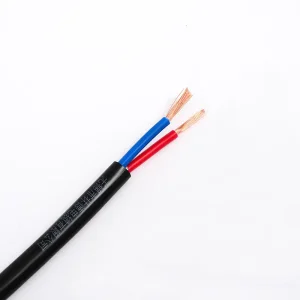
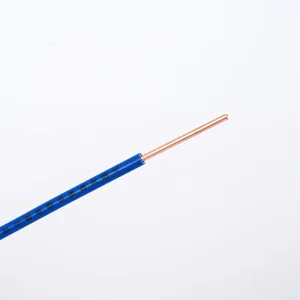
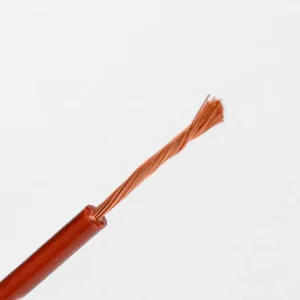
Engineered for Maximum Ampacity and Thermal Stability
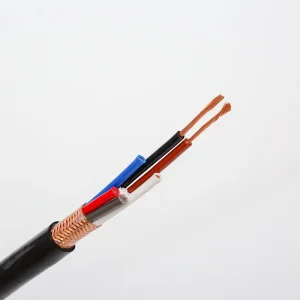
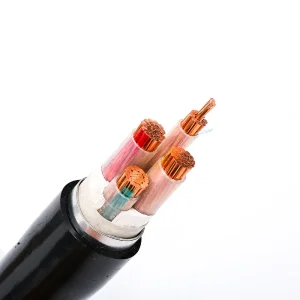
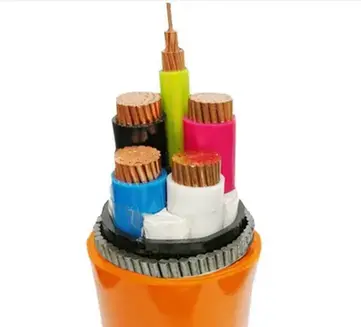
Current carrying capacity, or Ampacity, is the maximum current an insulated conductor can transmit without exceeding its thermal limitations. As a leading Wholesale Cable Current Carrying Capacity Manufacturer, Wuxi Linde Cable Co., Ltd. focuses on three critical pillars: Conductor Resistance, Thermal Dissipation, and Environmental Derating Factors.
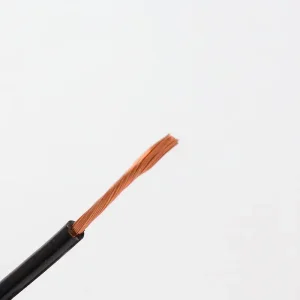
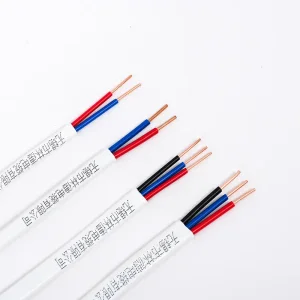
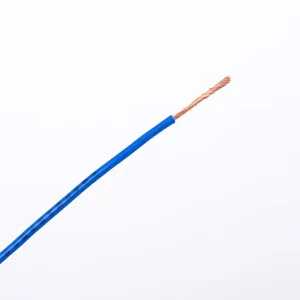
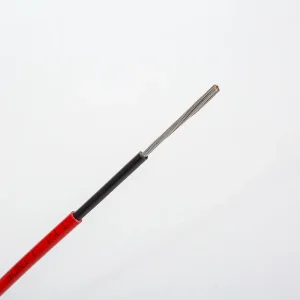
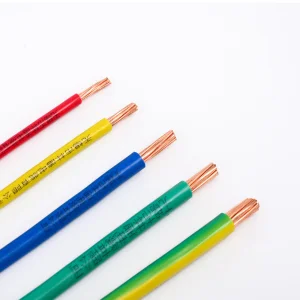
According to IEC 60227 and IEC 60502 standards, the ampacity of a cable is not a static number. It is influenced by the proximity of other cables, the method of installation (in conduit, tray, or direct burial), and the ambient temperature. For instance, our 60227 IEC 07 BV-90°C series is specifically engineered with high-grade PVC insulation that resists molecular degradation at elevated temperatures, effectively increasing the safe ampacity overhead compared to standard 70°C variants.
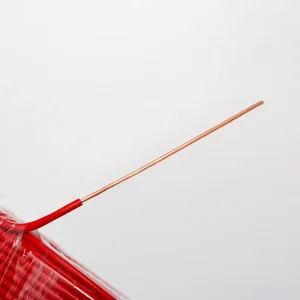
We utilize oxygen-free copper with 99.99% purity to minimize Joule heating ($P=I^2R$). Combined with our advanced extrusion technology, the insulation thickness is uniform within 0.01mm, ensuring balanced heat dissipation across the entire cable length.
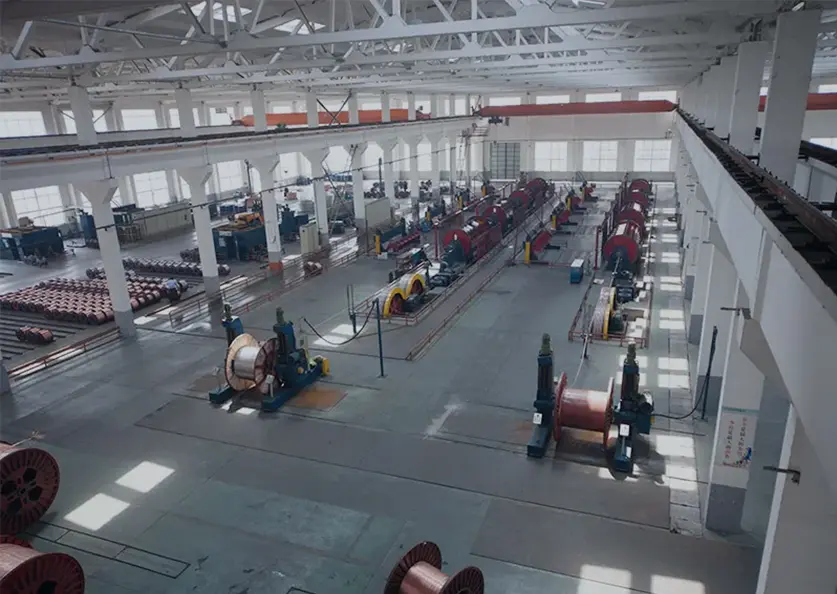
Founded in 2006, Linde Cable has evolved into a global powerhouse in the electrical transmission sector. With 18 years of specialized manufacturing experience, we serve as a critical node in the global supply chain, providing certified solutions for power transmission, telecommunications, and renewable energy.
Our manufacturing philosophy is rooted in E-E-A-T principles: Our Experience is backed by nearly two decades of problem-solving in harsh environments; our Expertise is validated by 30+ intellectual properties; our Authoritativeness is recognized by State Grid and international energy corporations; and our Trustworthiness is proven by our consistent delivery of products that exceed IEC standards.
Leading the Transition to Smart, High-Efficiency Energy Networks
By 2026, Linde Cable aims to integrate carbon-nanotube enhanced insulation, which provides 40% better thermal conductivity, allowing cables to carry 15% more current without increasing cross-sectional area.
Our roadmap includes the complete transition to "Low Smoke Zero Halogen" materials that are 100% recyclable, meeting the EU’s strict circular economy directives while maintaining superior flame retardancy.
Developing "Sense-Cable" technology—embedded fiber optics within power cables to monitor temperature in real-time, preventing meltdowns and optimizing load distribution via AI algorithms.
How Modern Manufacturing Guarantees Wholesale Reliability
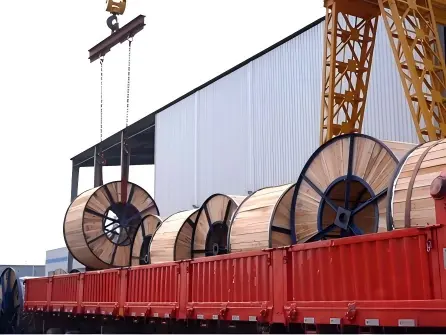
Our Wuxi facility operates on a Smart Manufacturing Execution System (MES). From copper drawing to final sheathing, every meter of cable is tracked. This ensures that when you order wholesale, the first meter and the millionth meter possess identical electrical properties.
Located in the heart of China’s industrial cluster, we leverage local raw material vertical integration. This minimizes the impact of global copper price volatility and logistics bottlenecks, offering our global partners a 25% faster lead time compared to competitors.
Validating E-E-A-T through Large-Scale Infrastructure Success
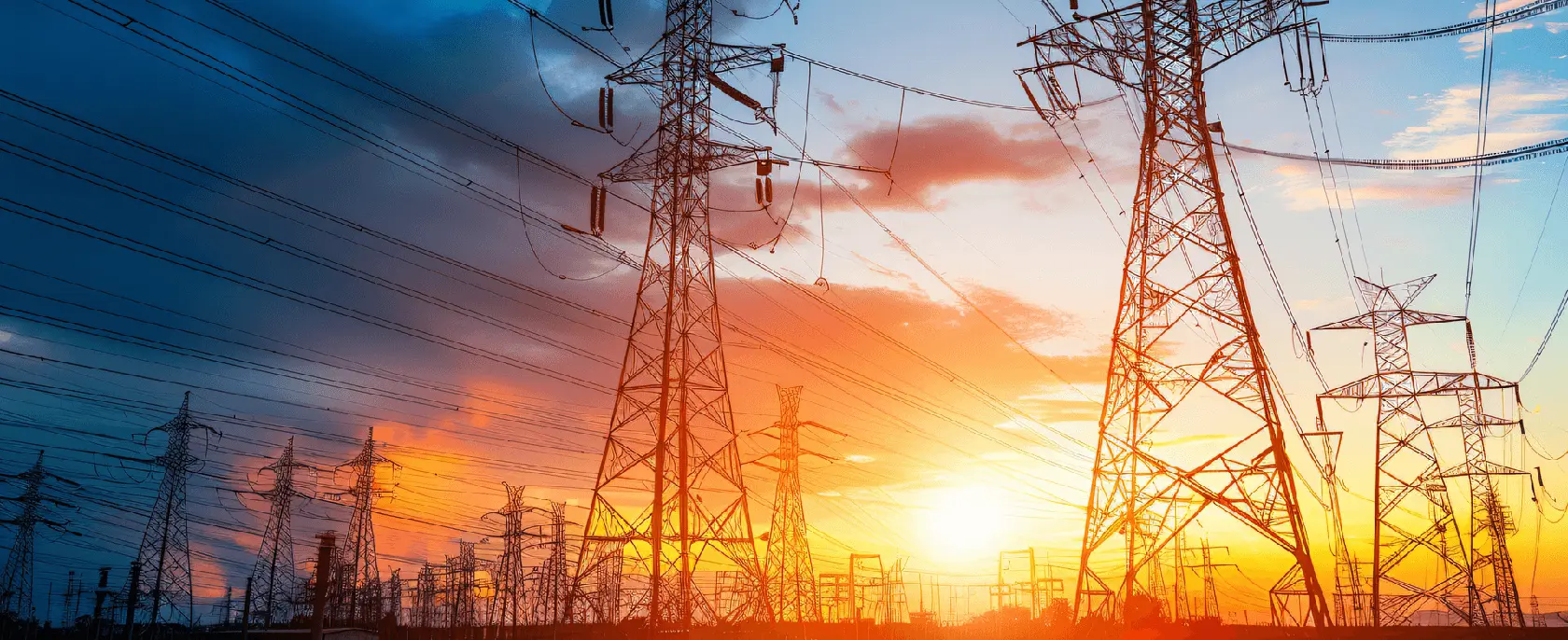
Partnering with State Grid, Linde provided 1,930km of high-ampacity cables for a US$600 million project in Northeastern Brazil, integrating 10 states into a unified power network.
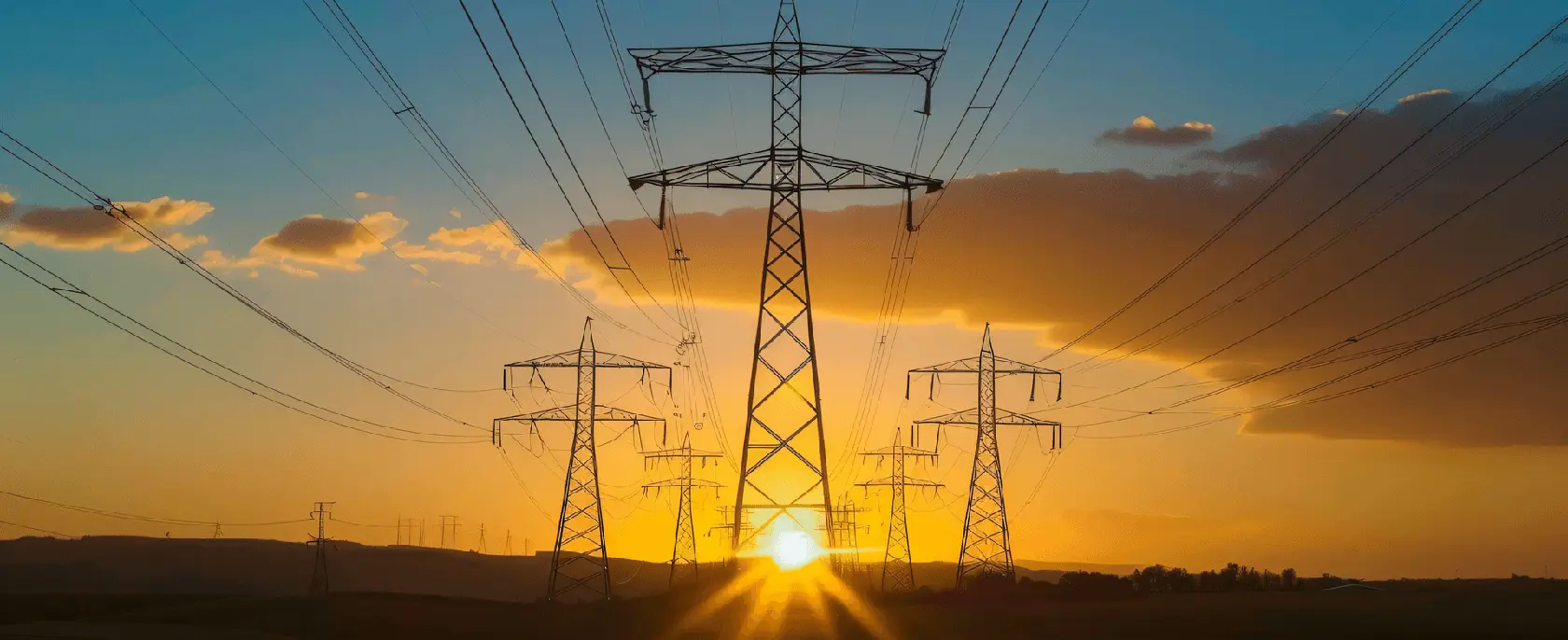
A 1.34 billion yuan project requiring cables that withstand extreme humidity and volcanic soil acidity. Our products passed harsh environmental tests to support Indonesia's smart city upgrade.
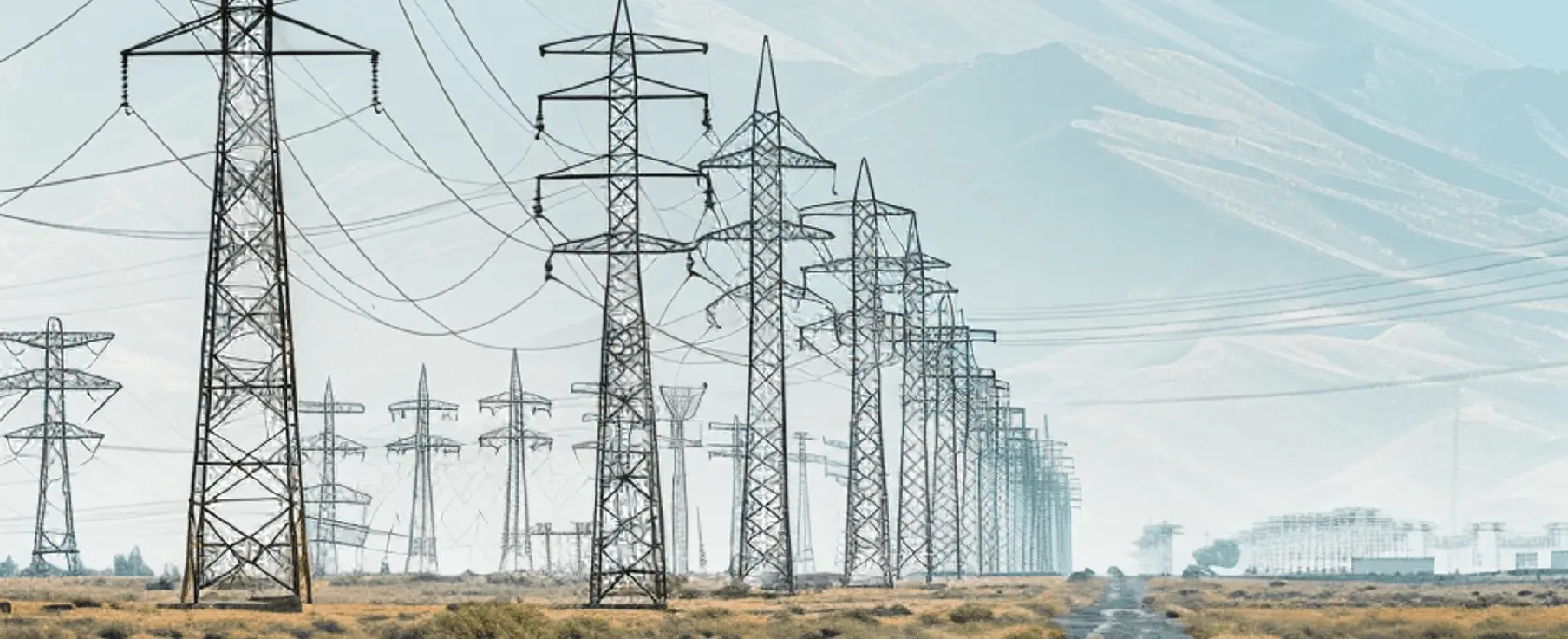
Replacement of over 70 kilometers of specialized cables for the Hunan Luci Expressway, ensuring the high-speed safety of electromechanical systems.
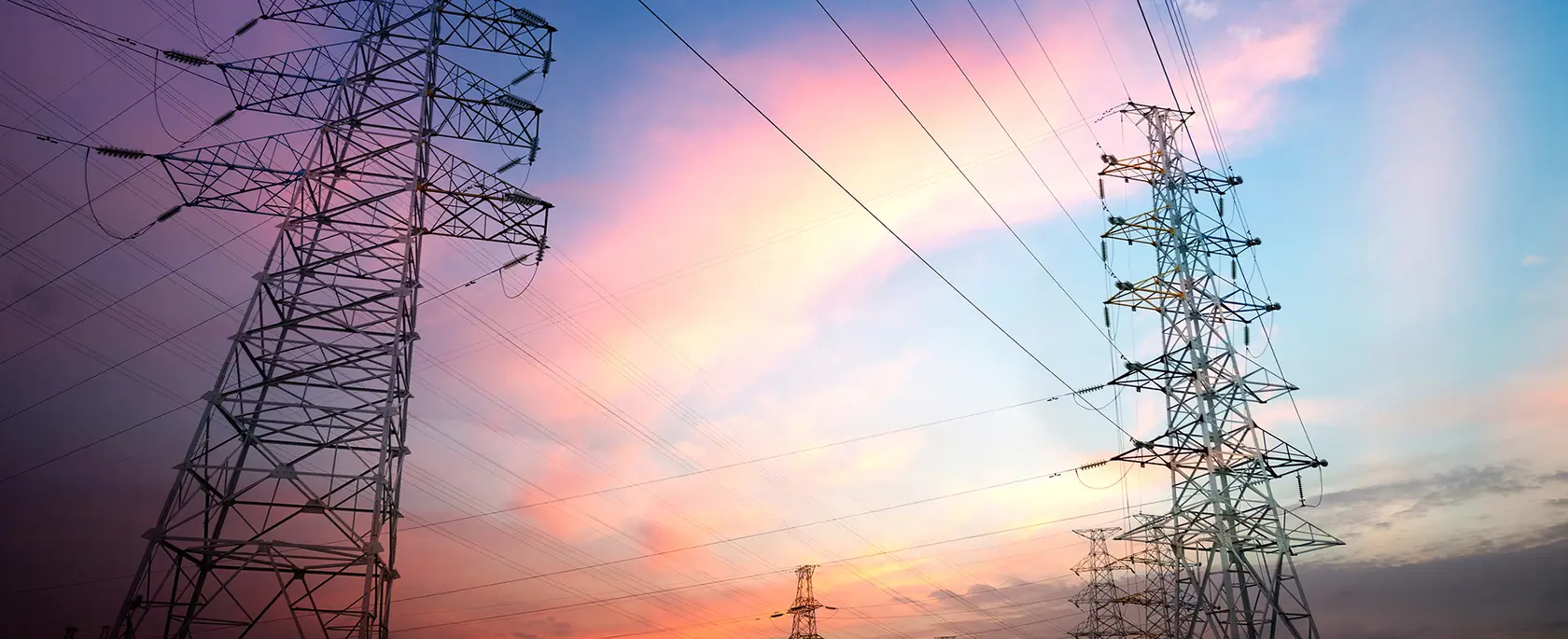
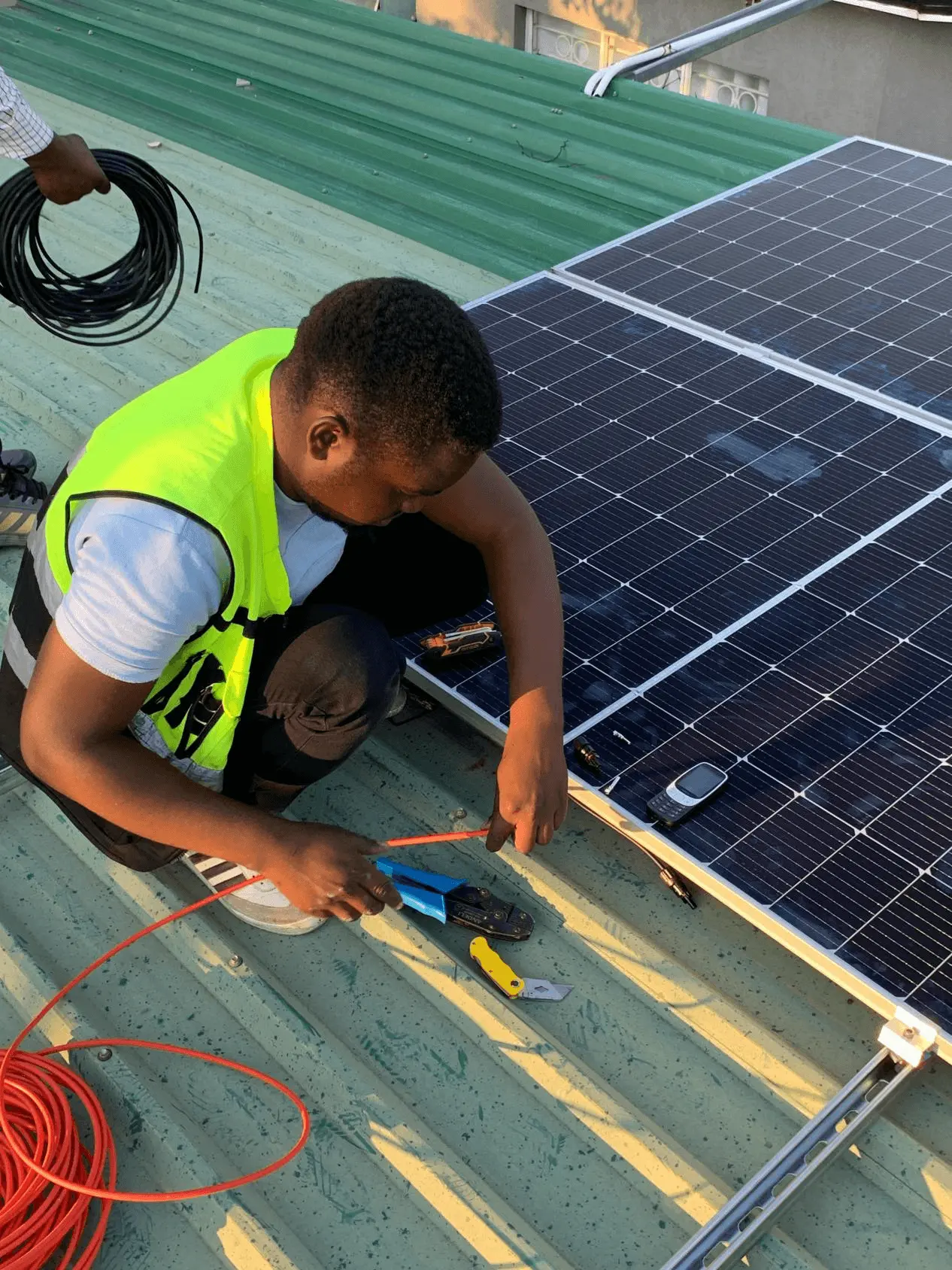
Customized solar cables designed to survive the 50°C temperature swings of the Punjab desert, preventing material aging and maintaining maximum power throughput.
For global enterprises, "Current Carrying Capacity" is not just a technical spec—it’s a legal one. Our team provides Full Compliance Mapping:
Enterprise buyers require more than products; they need Supply Continuity. We offer warehouse-stocking agreements and specialized cross-border logistics optimization to reduce customs delays by 30%.
Apr 28, 2026
Insights on the latest innovations in low-smoke halogen-free materials for high-density buildings.
Mar 16, 2026
How we handled emergency supplementary orders for a major infrastructure project.
Mar 16, 2026
Solving specific standard gaps between local power grids and international equipment.
Expert Answers for Engineers and Procurement Managers
"Linde Cable has been our partner for 5 years. Their 60227 series products are incredibly stable, even in the high-heat regions of our African mining projects."
- Infrastructure Director, SA"Their technical support team didn't just sell us cable; they helped us redesign our wiring layout to save 15% on material costs while improving safety."
- Lead Engineer, Brazil Power"Reliable Chinese supplier with zero quality issues over 10 million RMB worth of orders. Their delivery speed is unmatched."
- Procurement Manager, Thailand LogisticsWholesale Inventory Ready for Global Shipping
 Linde Cable