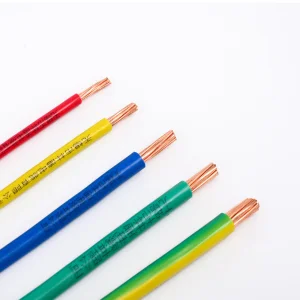
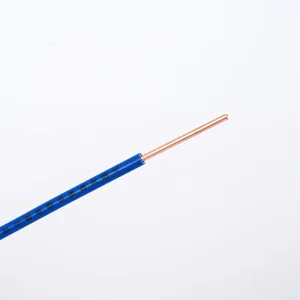
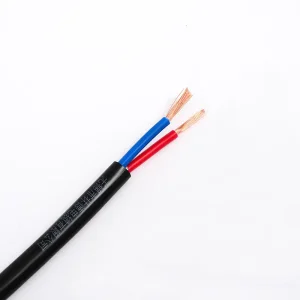
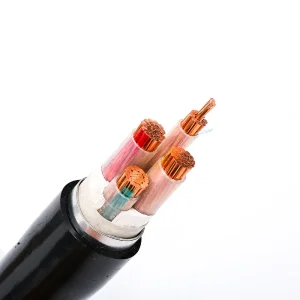
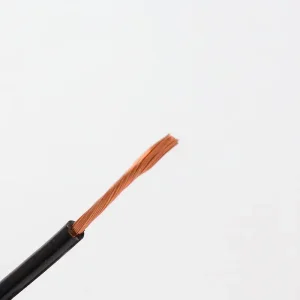
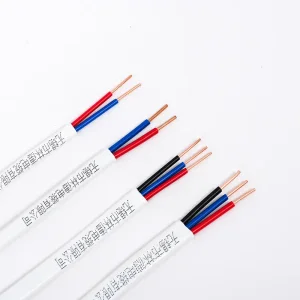
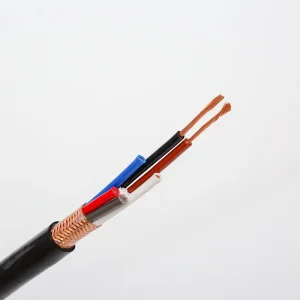
In the global electrical infrastructure, "Current Carrying Capacity," or ampacity, is the definitive metric that separates safe, efficient power distribution from catastrophic failure. As a leading manufacturer and wholesale supplier, Wuxi Linde Cable recognizes that customers are not just buying copper; they are buying the reliability of their power grid. When selecting cables, engineers must analyze the conductor temperature ratings, cross-sectional area, and environmental thermal conditions.
The core of ampacity is thermal equilibrium. Copper has excellent conductivity, but as current flows, resistance creates heat. If the insulation temperature rating (e.g., 70°C or 90°C in our IEC 01/05 series) is exceeded, the lifespan of the cable degrades exponentially. Our engineering team utilizes advanced thermodynamic modeling to ensure our cables operate well within safety margins, even in peak load conditions.
The modern industrial world is shifting toward electrification—from massive EV charging hubs to automated data centers. This demands a supplier that offers more than just products; it demands supply chain resilience. China's manufacturing ecosystem provides an unmatched synergy of raw material accessibility, automated production, and rigorous quality control protocols. At Wuxi Linde, we leverage this to provide our global partners with consistent lead times and compliance with international IEC standards.
One size does not fit all. Our technical application guides address specific environmental challenges:
The future of cabling lies in Smart Transmission. We are actively researching integration with IoT-enabled monitoring systems where cable jackets can house fiber-optic sensors to monitor temperature in real-time. By transitioning from passive copper transmission to intelligent data-responsive infrastructure, we aim to help our clients reduce downtime and maintenance costs by up to 30%.
Calculation depends on the ambient temperature, the installation method (in conduit, buried, or in air), and the grouping factor of the cables. Always consult our technical data sheets, which provide derating factors based on IEC 60227 standards.
Our competitive advantage lies in vertical integration. By controlling the wire drawing, insulation extrusion, and packaging processes in-house, we eliminate middle-man friction, ensuring 100% traceability and rapid scaling for large-scale international tenders.
 Linde Cable