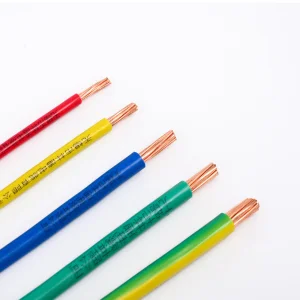
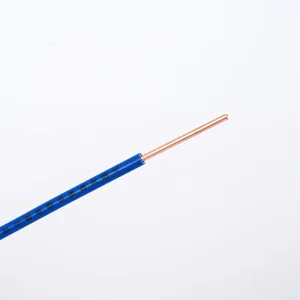
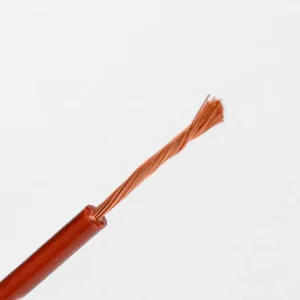
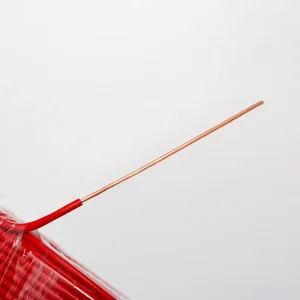
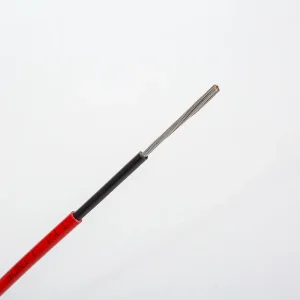
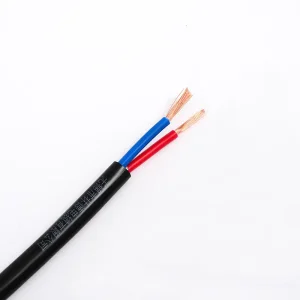
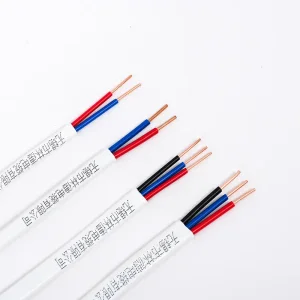
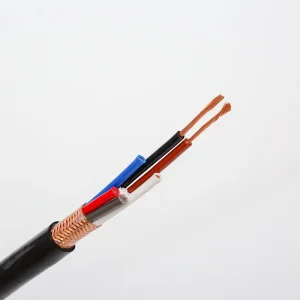
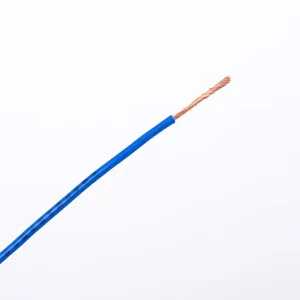
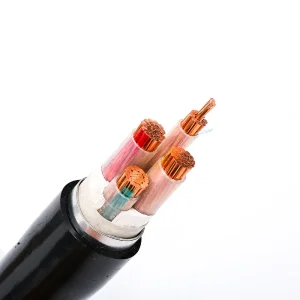
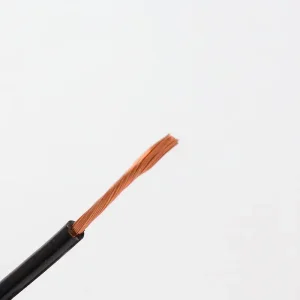
In the global race toward net-zero emissions, the demand for reliable home solar power components has skyrocketed. As a leading manufacturer, we observe that the pivot toward residential solar energy is not just a trend but a fundamental shift in how households manage energy consumption. China, currently the world’s manufacturing powerhouse for renewable energy, provides a distinct competitive advantage for global buyers: Vertical Supply Chain Integration.
Chinese factories have moved beyond mere assembly. Today, leading manufacturers (like Linde Cable) integrate R&D, high-purity raw material sourcing, and automated production lines. This allows for rigorous quality control that meets international standards like TUV, CE, and RoHS. When sourcing solar components—from PV cables to micro-inverters—partnering with Chinese manufacturers provides unparalleled cost-efficiency without compromising on technical performance.
The "Home Solar" landscape has evolved. It is no longer just about panels. It is about the Energy Ecosystem:
For international procurers, the biggest challenge is "Information Asymmetry." To leverage E-E-A-T (Experience, Expertise, Authoritativeness, Trustworthiness), focus on these three pillars when vetting suppliers:
Founded in 2006, Linde Cable has spent nearly two decades mastering the intersection of electrical engineering and renewable energy infrastructure. Our expertise lies in manufacturing wires and cables that serve as the "nervous system" of solar energy projects.
State-of-the-art machinery ensuring consistent output and mass-production capability.
Heavy reinvestment into R&D and advanced manufacturing technology.
Continuous innovation in cable flame retardancy and heat resistance.
From Brazilian solar parks to logistics centers in Thailand, our cables are powering critical infrastructure worldwide. We prioritize durability in harsh environments—be it desert heat or tropical moisture.
A: Halogen-free cables provide superior safety. In the event of a fire, they do not release toxic, corrosive gases. For residential solar installations, safety and longevity under UV exposure are paramount.
A: Look for suppliers who provide comprehensive testing reports (factory acceptance tests), hold ISO certifications, and have a proven history of international project delivery. Always request samples for rigorous on-site testing.
A: As solar systems move to higher voltages (1500V systems), cables require thicker insulation and better thermal resistance. Our product range is specifically engineered to meet these modern safety standards.
 Linde Cable