 Linde Cable
The Future of Solar Energy: A Comprehensive Whitepaper on PV Infrastructure
1. Global Industrial Status: The Pivot to Renewables
The global energy landscape is undergoing a tectonic shift. As we transition from fossil-fuel dominance to a decentralized renewable model, the demand for solar panel systems and their associated balance-of-system (BOS) components—specifically cables and connectors—has hit record highs. Industrial manufacturing, once concentrated, is now a global web of specialized supply chains.
According to current market analysis, solar installations are projected to grow exponentially over the next decade. Manufacturers are no longer just selling "panels"; they are selling Energy Autonomy Solutions. The integration of IoT, AI-driven monitoring, and high-durability materials (like UV-resistant polymers and halogen-free cabling) has transformed solar parks into high-tech infrastructure.
2. Technology Roadmap & Future Outlook
The industry is moving rapidly through several technological generations:
- PERC to TOPCon/HJT Transition: We are seeing a move away from standard PERC cells toward Tunnel Oxide Passivated Contact (TOPCon) and Heterojunction (HJT) cells, which offer significantly higher efficiency rates in low-light conditions.
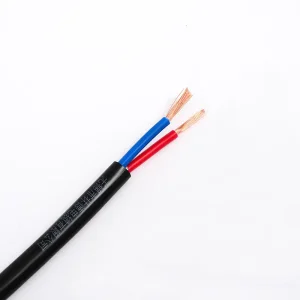
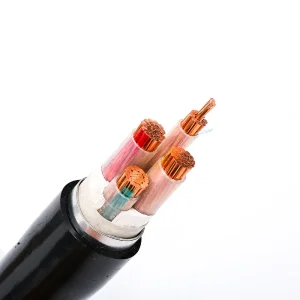
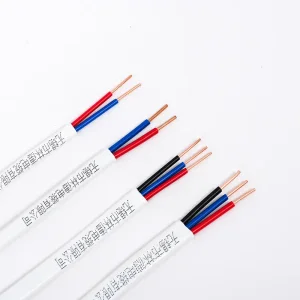
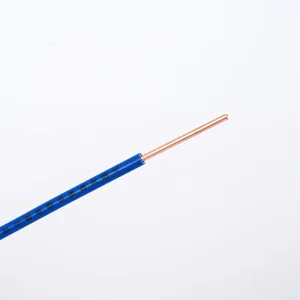
- BOS Standardization: As the grid grows, the "Balance of System" (wiring, conduits, connectors) is becoming the critical point of failure. Our engineering focuses on long-life, high-heat tolerance cables designed to match the 25-30 year lifespan of the modern PV module.
- AI-Driven Predictive Maintenance: Smart inverters and cables are beginning to integrate sensor data, allowing operators to predict failures before they happen, reducing LCOE (Levelized Cost of Energy) significantly.
3. Localized Application Scenarios
Solar energy is not "one size fits all." Local environments dictate hardware selection:
- Desert Environments (MENA/Pakistan): High UV radiation and extreme thermal cycling require specialized materials that resist micro-cracking and insulation embrittlement.
- Coastal/High Humidity (SE Asia/Brazil): Corrosion resistance is paramount. We focus on moisture-proof, salt-spray-resistant cable coatings to protect against conductive degradation.
- Urban Infrastructure (Europe/China): Space constraints favor high-efficiency rooftop BIPV (Building Integrated Photovoltaics) and thin-film solutions.
4. Macro Solutions: Solving the Grid Interconnection Challenge
The biggest hurdle to solar adoption isn't just generating power; it’s storing and transmitting it. Our manufacturing roadmap includes:
- High-Voltage DC (HVDC) Compatibility: As solar farms scale to the gigawatt level, minimizing transmission loss is key.
- Energy Storage Integration (BESS): Connecting PV panels to lithium-ion storage arrays requires highly flexible, high-current-rated cabling that can handle the rapid charge/discharge cycles of modern storage systems.