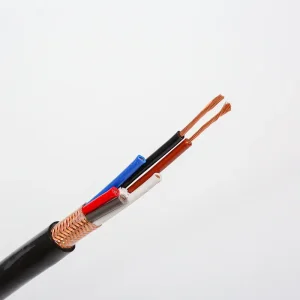
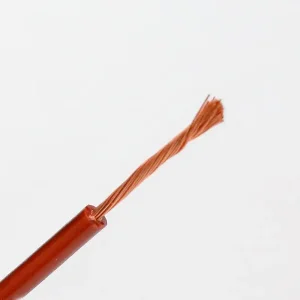
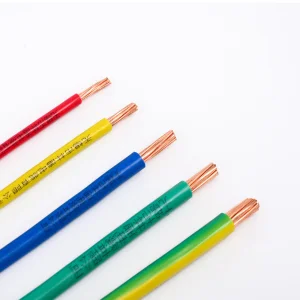
Search demand around "wholesale proposal manufacturers" is rarely about a single SKU. It is a request for a supplier response — a technical-commercial proposal covering cable type, standard, conductor, sheath, test data, lead time, packaging, and landed cost. This guide maps that intent to the real product families behind it.
Every proposal must trace to a standard — IEC 60227, IEC 60502, or an equivalent national adoption — with test certificates and routine inspection records attached.
Buyers increasingly request production-line counts, extrusion capacity, and annual output before shortlisting, not after.
UV exposure, humidity, ambient temperature, and grid voltage define the sheath compound and insulation class as much as the standard does.
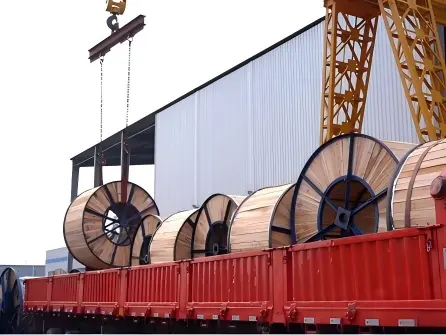
Drum sizing, container fill rate, and port of loading drive the real per-meter cost more than headline FOB pricing.
A professional manufacturer of high-quality wires and cables, serving industries such as power transmission, telecommunications, construction, and renewable energy.
Between 2023 and 2026, tender-driven cable purchasing shifted from price-led spot buying toward specification-led framework agreements. Utilities, EPC contractors, and OEMs now issue multi-year RFQs in which the proposal document itself is a scored deliverable.
Grid reinforcement across Southeast Asia, the Gulf, and Sub-Saharan Africa; data-center build-outs in Europe and North America; and utility-scale solar in South Asia are the three dominant pull factors in compliant LV and PV cable demand.
Public and utility tenders increasingly require a fixed technical annex format: conductor class, insulation wall thickness, sheath compound, fire performance, and packing specification, each cross-referenced to an IEC clause.
Buyers now request third-party test reports and, in some cases, factory audit access before awarding framework agreements — a direct response to counterfeit and under-spec imports.
Drum length, gross weight, and container utilization are scored alongside unit price because they materially affect installation schedule and site storage.
RoHS alignment, halogen-free options, and copper recycling documentation are appearing in European and Middle Eastern tender annexes with increasing frequency.
B2B platforms and direct search-intent queries — the exact behavior this page addresses — now generate a substantial share of first-contact supplier shortlists.
Linde Cable Co., Ltd. (hereinafter referred to as Linde Cable) was founded in 2006 and is a manufacturer specializing in the production of high-quality wires and cables, serving industries such as power transmission, telecommunications, construction, and renewable energy.
With a steadfast commitment to quality and integrity, we ensure that every product meets international standards and exceeds customer expectations. Our dedication to innovation, sustainability, and reliable performance has established us as a trusted partner in the global market.
For wholesale proposal requests, Linde Cable supplies a complete technical-commercial package: IEC clause mapping, conductor and sheath datasheets, routine test records, drum and packing schedules, and a lead-time commitment backed by fifteen dedicated production lines.
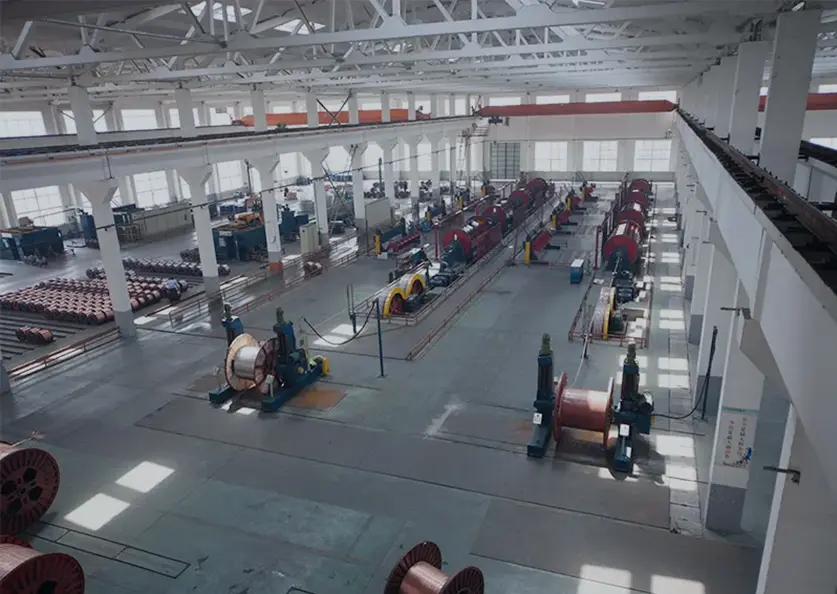
Chinese cable manufacturing competes on vertical integration and production density, not on labor cost alone. Understanding this matters when evaluating a wholesale proposal, because it explains why lead times and revision turnaround can be compressed.
Copper rod drawing, PVC and XLPE compounding, extrusion, and testing frequently sit within a single industrial cluster, shortening the distance between raw material and finished drum.
Because compounding and tooling are in-house or locally available, a revised sheath compound or conductor class can be quoted and sampled far faster than in a fragmented supply chain.
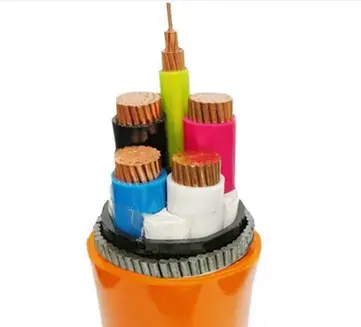
Fifteen or more dedicated lines allow concurrent production of multiple product families — BV, RV, RVV, BVV, and PV cable — within a single framework order.
Routine tests — conductor resistance, insulation thickness, voltage withstand, and elongation — are performed at line end, reducing external lab dependency and rework risk.
Non-standard drum sizes and cut-to-length schedules are routine rather than exceptional, which directly reduces site waste and handling cost.
Technical annexes, datasheets, and test records are prepared by teams familiar with IEC 60227 and IEC 60502 language, so proposal revisions converge faster.
The same standard number can imply very different physical requirements depending on where the cable is installed. Below is how the product families on this page map to real deployment contexts.
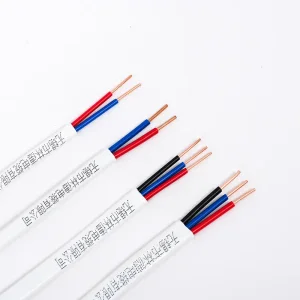
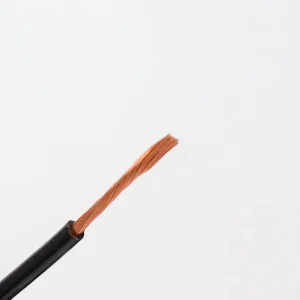
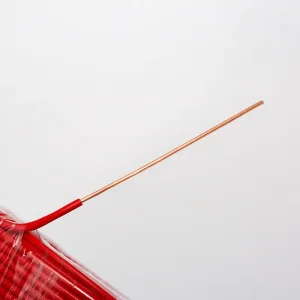
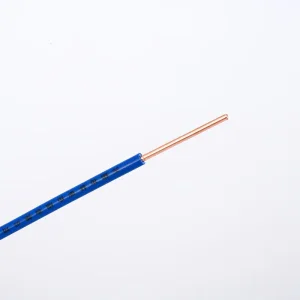
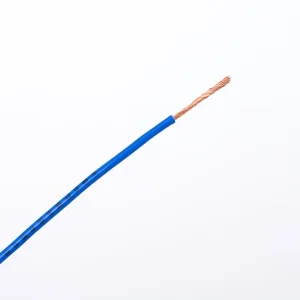
BV (IEC 01 / 05) solid-conductor cable and RV (IEC 02 / 06) flexible conductor cable for conduit and panel internal wiring, per local building codes.
BV-90°C (IEC 07) and RV-90°C (IEC 08) for switchgear, boiler rooms, and machinery panels where conductor temperature rating must exceed 70°C.
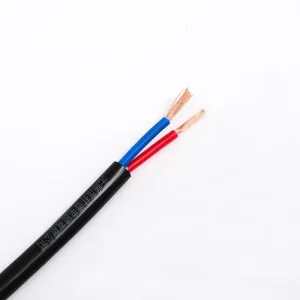
RVV (IEC 52 / 53) light and ordinary PVC sheathed cords for portable tools, household appliances, and light industrial equipment connections.
BVV (IEC 10) light PVC sheathed cable for fixed surface wiring in workshops, warehouses, and light commercial distribution.
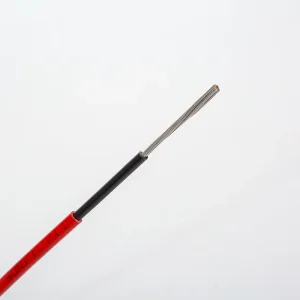
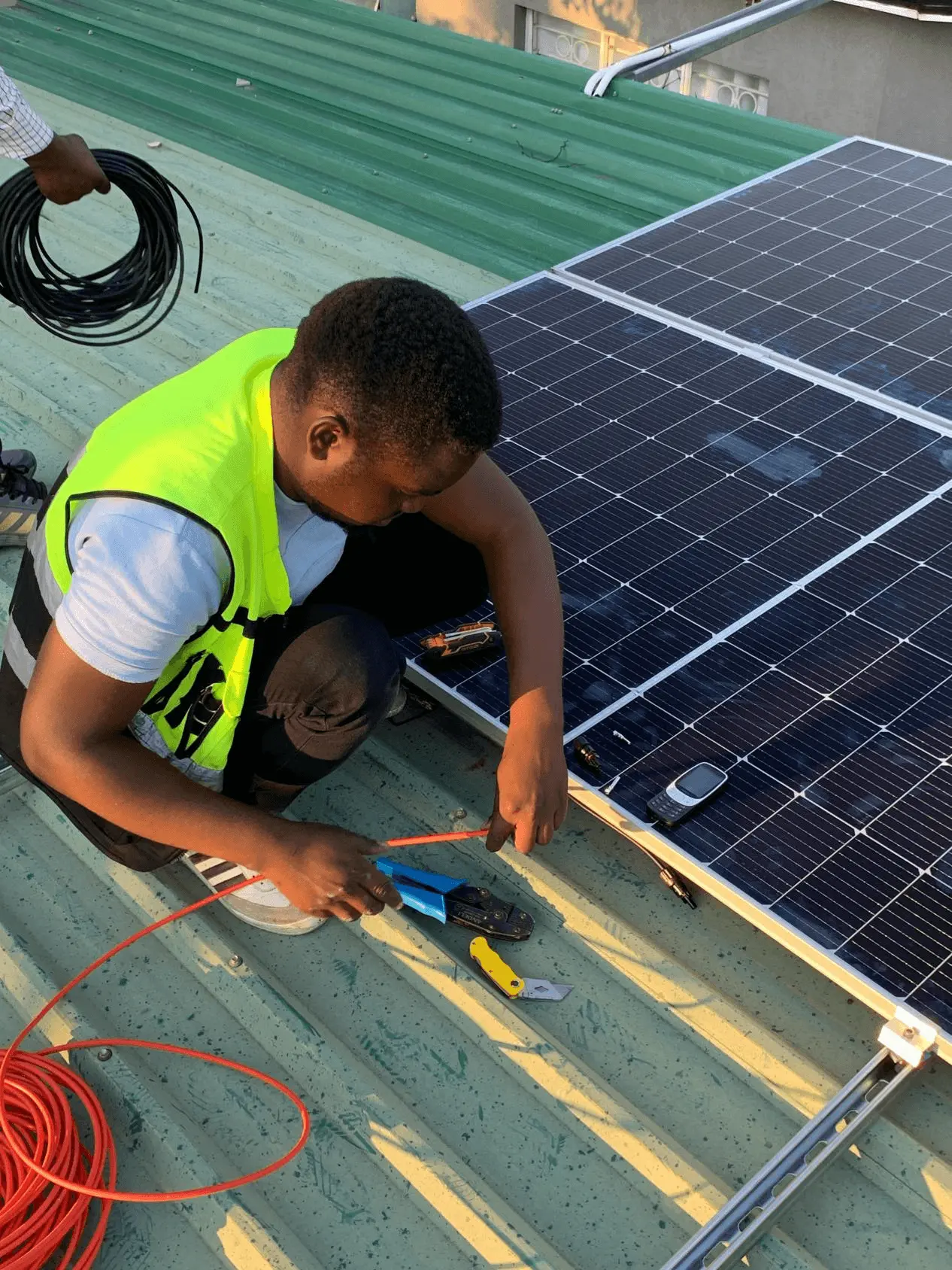
Halogen-free PV cable for DC strings in utility-scale and rooftop solar, specified for UV resistance and low smoke emission.
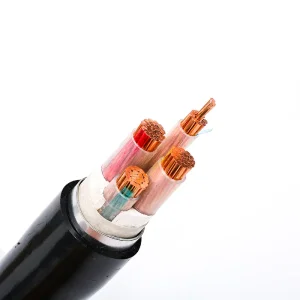
IEC LV power cable for construction sites, industrial feeders, and infrastructure distribution networks where mechanical protection is required.
Sheath compound selection and moisture-resistance testing become decisive in tropical and coastal installations, where standard PVC may underperform without formulation adjustment.
Low-temperature flexibility and impact resistance at installation are specified separately from operating temperature, and should be stated explicitly in the proposal annex.
Five shifts are redefining what a credible cable proposal must contain through 2026 and beyond.
Low smoke zero halogen (LSZH) and flame-retardant constructions are moving from premium option to default requirement in tunnels, hospitals, data centers, and public buildings.
EV charging infrastructure, rail electrification, and port equipment electrification are creating new demand for flexible, high-cycle-life cable constructions.
Sheath and insulation formulations are being tuned for specific climates — UV-stabilized for desert, cold-flex for northern latitudes, oil-resistant for industrial floors.
Batch-level traceability from copper lot to finished drum is increasingly requested, supporting warranty claims and quality audits.
Proposals now commonly include price-adjustment mechanisms tied to copper index movements over the contract term.
Recycled copper content documentation and end-of-life recovery planning are entering European and increasingly Middle Eastern tender requirements.
What large buyers actually evaluate when scoring a wholesale proposal — and where suppliers most often lose points.
Clause-by-clause mapping to IEC 60227 or IEC 60502, with test report references. Generic "IEC compliant" statements score poorly.
ISO 9001, product certifications, and third-party lab reports. Buyers cross-check certificate scope against the exact product family quoted.
Historical on-time performance, buffer stock policy, and contingency plans for copper shortage or port congestion.
Incoterms, payment terms, currency, warranty period, and claim procedure stated without ambiguity.
Ability to advise on cable sizing, derating, installation bending radius, and termination — not merely to ship drums.
Drum marking, length tolerance, and moisture protection for sea freight. Poor packing is a common rejection cause on arrival.
Consistency between sample, first article, and mass production. Buyers increasingly request retained samples for comparison.
CO, packing list, test certificates, and destination-specific compliance paperwork prepared accurately and on time.
Selected reference engagements demonstrating specification adaptation across markets and applications.
Overview of the Electromechanical Engineering Cable for Hunan Luci Expressway of China Railway. As a response to China Railway's tender for suppliers of electromechanical cables for Hunan Luci Expressway, Linde Cable participated in this cable project. After that, we served as a material supplier and also needed to maintain the line, such as replacing more than 70 kilometers of cables and accessories.
Linde Cable provided 20 million worth of wires and cables for the overall relocation project of Chongzuo Traditional Chinese Medicine Hospital of China Construction Second Engineering Bureau. The service area of this cooperation covers approximately 150,000 square meters, including the outpatient building, inpatient department, administrative office area and other ancillary facilities of the new hospital, ensuring the safe, stable and efficient power supply of the entire medical complex.
As a partner of listed company Shandong Sacred Sun Power Supply, Linde Cable has provided it with cable products with a total value of more than RMB 10 million, covering high-performance cables, charging and discharging input wires and other types, fully meeting the company's diverse needs in power equipment manufacturing and new energy fields.
As one of the partners of State Grid, Linde Cable has jointly promoted the construction of large-scale cables in northeastern Brazil, covering 10 states in the northeast and integrating them into the Brazilian national grid. The investment is more than US$600 million, with a total length of about 1,930 kilometers for 9 cable lines and 3 secondary power stations.
Linde Cable provides power cables and fire-resistant cables for the construction of CIMC TEMSA factory in Indonesia. The investment amount is about hundreds of millions of US dollars. It aims to provide stable power supply, create jobs, promote local economic development and promote technology transfer.
Linde Cable is participating in a project to upgrade cable facilities along the cross-border highway in northeastern Thailand. The total investment is approximately several billion RMB, with a focus on charging piles, service center power supply networks, etc. The project will significantly improve the power infrastructure in the cross-border self-driving tourism area in the northeast.
Linde Cable participated in the photovoltaic park cable project in Pakistan, providing customized cables to solve the material aging problem caused by the large temperature difference between day and night in the desert area. The covered areas mainly include Punjab Province, Sindh Province and Balochistan Province, and the total length of the transmission line can reach hundreds or even thousands of kilometers.
Linde Cable provides certified fire-resistant and flame-retardant cables for the construction of logistics parks in Thailand, such as storage centers and live broadcast bases. The investment amount reaches hundreds of millions of RMB, in order to improve the operational efficiency of e-commerce logistics parks and meet the market demand and social progress of Thailand.
Linde Cable participated in the Indonesian new energy factory cable project and provided it with several types of cables, all of which passed Indonesia's harsh environmental tests (such as high temperature resistance and moisture resistance). The total amount of this project is 1.34 billion yuan, supporting Indonesia's power grid upgrade, promoting new energy, smart cities and infrastructure upgrades, and promoting urban development.
Verified long-term buyer feedback across regions and project types.

We have been cooperating with Linde for more than 5 years. The quality of their cable products is as stable and excellent as ever, meeting the strict requirements of our projects. In addition, their after-sales service is also very timely and fast. The technical support team can always respond to our needs at the first time and provide professional solutions. Even in some emergency situations, Linde can quickly deploy resources to ensure that the progress of our project is not affected. This efficient service and high-quality products make us full of confidence in Linde.

As one of our long-term cable manufacturers, Linde Cable has always won our high trust with its excellent product quality and professional services. Not only does it continue to maintain stable quality output to ensure that each batch of products meets international standards and our project needs, but it also proactively provides us with relevant technical construction solutions to help us optimize cable layout and installation processes in complex engineering environments.

Linde Cable's cable products are very reliable in extreme climate conditions in Africa, especially in high temperature and strong UV environments, and they still maintain excellent performance. Once, due to local logistics problems, the delivery was delayed. The Linde Cable team not only notified us in advance, but also took the initiative to provide technical support and backup plans, and the problem was finally solved.

Linde is one of the most reliable Chinese cable suppliers we have ever worked with. Their products perform very well in harsh environments, especially in terms of abrasion resistance and tensile strength, which fully meets our requirements. We have also encountered problems with some suppliers' delivery delays or substandard product quality before, but Linde has never let us down.

As one of our company's Chinese cable suppliers, Linde Cable has maintained stable product quality and excellent service attitude, promptly solved the difficulties we encountered during the construction process, and provided many meaningful suggestions, such as optimizing cable wiring solutions, improving installation processes, and selecting cable models that are more suitable for specific environments. These suggestions have saved us a lot of time and costs.
Technical and supply-chain updates from the Linde Cable engineering and export teams.
Wuxi, Jiangsu, China – January 2026 – Wuxi Linde Cable Co., Ltd., a professional wire and cable manufacturer with 18 years of industry experience, is pleased to share insights on the …
How accelerated supplementary production and consolidated shipping planning reduce project delays on multi-stage cable deliveries.
Case-based review of translating national wiring codes into IEC-equivalent cable specifications without over-specifying cost.
Direct answers to the questions most frequently raised during wholesale proposal evaluation.
A complete proposal typically includes: the specific IEC or national standard reference for each product family; conductor material class and cross-section range; insulation and sheath compound details; rated voltage and temperature; applicable test standards and routine test records; drum length and packing specification; lead time; Incoterms and payment terms; and warranty and claim procedure. A credible proposal maps each line item to a standard clause rather than offering a generic compliance statement.
BV (IEC 01/05) uses a rigid solid conductor, suited to fixed wiring in conduit. RV (IEC 02/06) uses a flexible stranded conductor, suited to applications requiring bending or vibration. BVV (IEC 10) is a light PVC sheathed construction for fixed surface wiring where mechanical protection is beneficial. RVV (IEC 52/53) is a sheathed flexible cord for appliances, portable tools, and light equipment connections. The 90°C variants (IEC 07/08) are specified where ambient or conductor operating temperature exceeds the 70°C rating.
IEC 60227 defines baseline construction and test requirements, but national adoption may add requirements for fire performance, smoke emission, sheath compound, or marking. Additionally, the destination environment — UV intensity, humidity, ambient temperature range, installation method — determines whether a standard PVC sheath is adequate or an upgraded compound is required. This is why a proposal should address installation conditions, not only the standard number.
MOQ depends on the product family and whether the specification is standard or customized. Standard BV, RV, RVV, and BVV constructions can typically be supplied at lower thresholds than halogen-free PV cable or bespoke sheath compounds. Framework agreements generally specify annual volume with scheduled call-offs rather than a single shipment quantity, which is often more cost-efficient for both parties.
Most framework agreements include a copper adjustment mechanism referencing a recognized index, applied at a defined frequency (monthly or quarterly). The proposal should state the base copper price assumption, the index referenced, the adjustment formula, and whether a dead-band threshold applies. Buyers should confirm whether the adjustment applies to finished goods only or also to work-in-progress inventory.
Yes. Sheath compound can be adjusted for UV resistance, low-temperature flexibility, oil resistance, or halogen-free performance depending on project requirements. Drum length, drum type, and marking are also customizable. Customization generally requires a sample approval stage and affects lead time, so it should be defined early in the proposal cycle rather than at order confirmation.
Standard export documentation includes commercial invoice, packing list, certificate of origin, and product test certificates. Destination-specific requirements — such as conformity declarations or pre-shipment inspection certificates — should be stated in the proposal so they can be planned into the production and shipping schedule rather than handled as an exception.
Normalize the comparison: convert all quotes to the same Incoterm and currency; verify that the standard reference and test evidence are equivalent; compare drum length and resulting site waste; compare stated lead time against historical performance; and review the warranty and claim terms. A lower unit price with a shorter drum length, weaker test documentation, or unclear copper adjustment can be materially more expensive over the project lifecycle.
Send your project specification — standard reference, conductor class, cross-section, sheath requirement, estimated volume, destination port, and required delivery window — and the Linde Cable team will return a clause-mapped proposal with test evidence, packing schedule, and lead-time commitment.
 Linde Cable