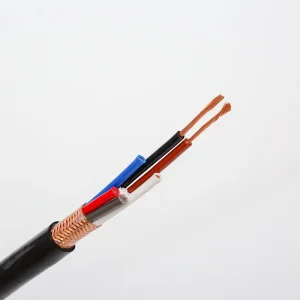
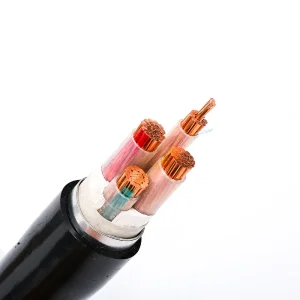
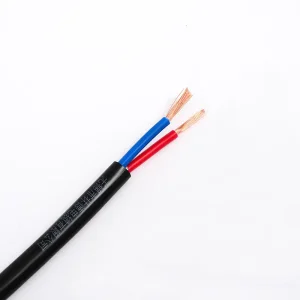
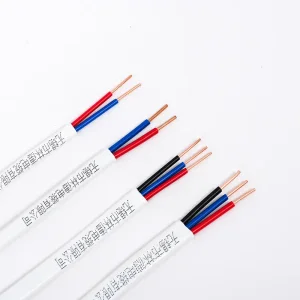
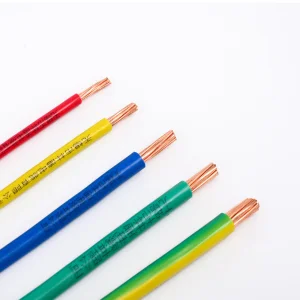
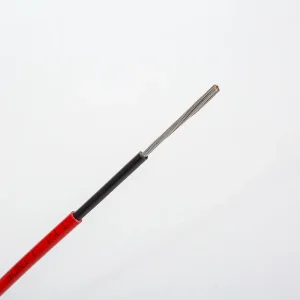
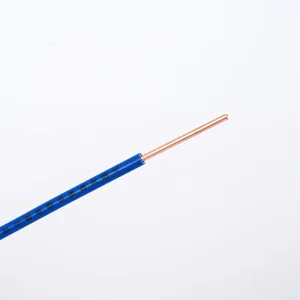
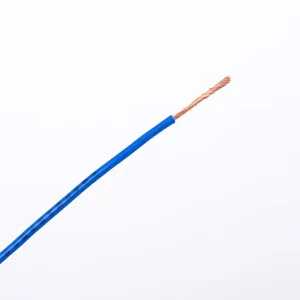
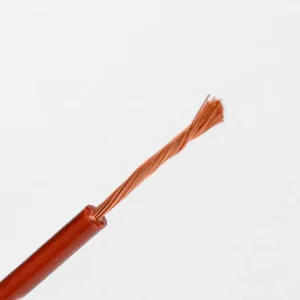
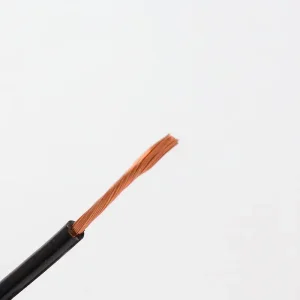
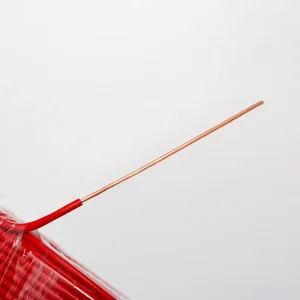
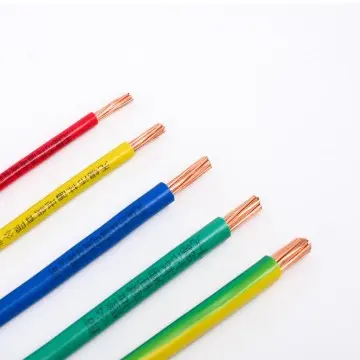
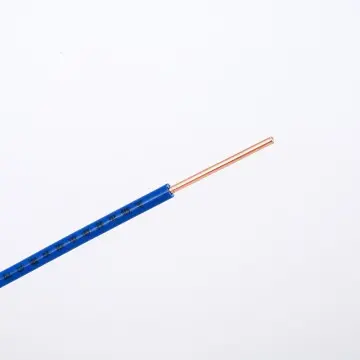
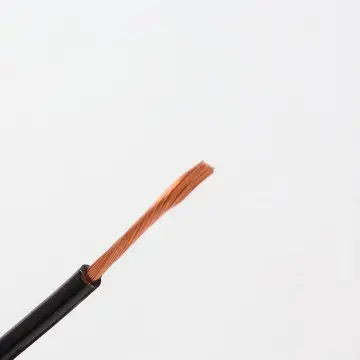
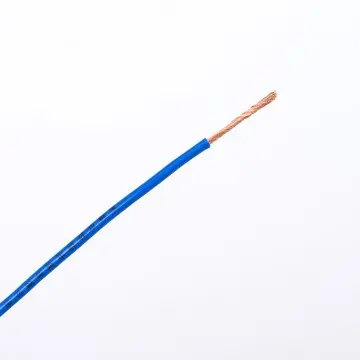
In the rapidly evolving landscape of global infrastructure, single wire and cable procurement has transitioned from a commodity purchase to a strategic supply chain investment. As industrial automation, smart grid deployment, and renewable energy adoption accelerate, the demand for precision-engineered electrical conductors has surged.
China has solidified its position as the global hub for high-efficiency wire and cable production. Through advancements in material science—specifically in PVC and LSZH (Low Smoke Zero Halogen) compounds—Chinese manufacturers now offer superior cost-to-performance ratios. By leveraging vertical integration, top-tier factories maintain strict control over conductor purity (copper/aluminum) and insulation dielectric strength, ensuring compliance with international standards such as IEC, VDE, and UL.
Whether for construction (building wires like BV, RV types) or industrial internal wiring, selecting the right cable is critical.
• Construction & Infrastructure: Requires high fire-retardant capabilities and long-term durability.
• Renewable Energy (Solar/PV): Demands cables resistant to UV radiation and thermal cycling (e.g., PV cables).
• Industrial Automation: Necessitates high flexibility (RV class) to withstand vibration and motion cycles.
The market is shifting towards Smart Grid integration and environmentally sustainable manufacturing. "Information Gain" in this sector now relates to real-time data monitoring within cables—sensors embedded to track load, temperature, and wear, preventing downtime in high-stakes environments.
For global enterprises, the "supplier selection" phase involves more than just price comparison. It necessitates an audit of E-E-A-T (Experience, Expertise, Authoritativeness, Trustworthiness). Look for:
IEC (International Electrotechnical Commission) standards provide a globally recognized framework for safety, quality, and performance. Using IEC-compliant wires ensures compatibility across international borders, critical for global projects.
Single core cables offer easier installation in tight conduits and allow for more efficient heat dissipation compared to multi-core bundled cables, particularly in high-amperage applications.
Top-tier manufacturers utilize automated extrusion lines, continuous inline diameter measurement, and rigorous spark testing to ensure insulation uniformity, significantly reducing failure rates under load.
 Linde Cable