The global energy transition is no longer a peripheral trend but a central economic driver. As the world shifts toward "Solar for Charging" (S4C) ecosystems—where photovoltaic (PV) energy directly fuels Electric Vehicle (EV) infrastructure and industrial power grids—the demand for high-performance cabling has surged. Current industrial data suggests a 25% CAGR in integrated solar-charging stations through 2030.
In Europe, stringent carbon neutrality targets are driving the integration of PV systems in commercial parking hubs. Meanwhile, in Southeast Asia and Africa, solar charging is bridging the infrastructure gap, providing "off-grid" mobility solutions in regions with unstable utility grids. This requires cables that can withstand extreme UV exposure and high thermal variability.
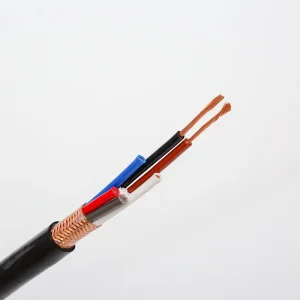
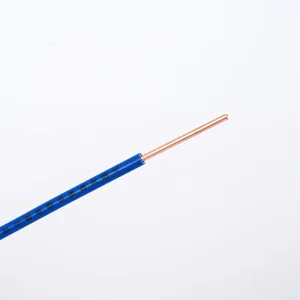
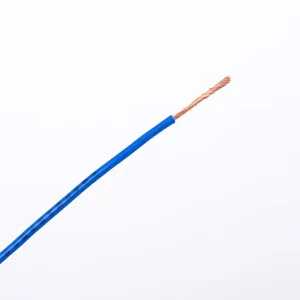
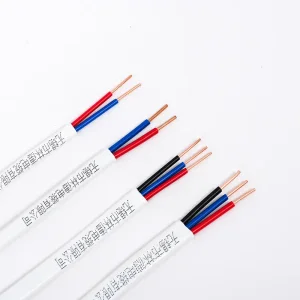
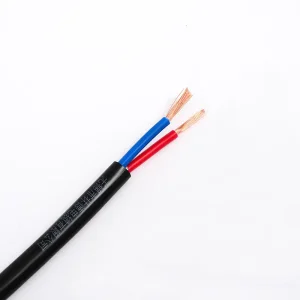
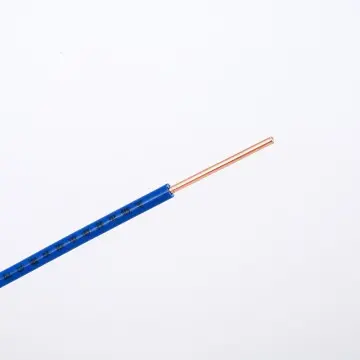
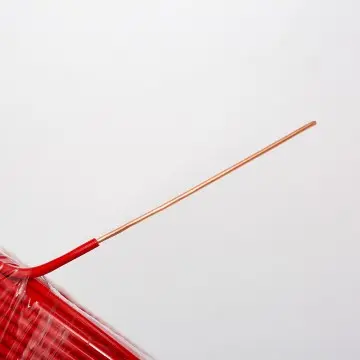
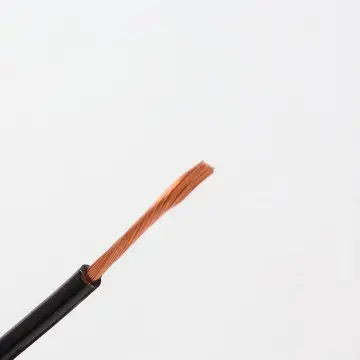
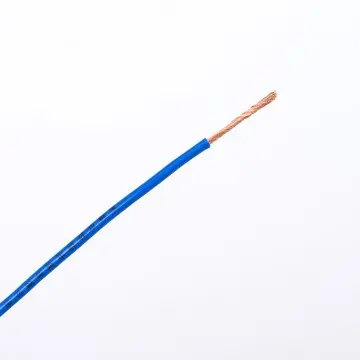
We are seeing a convergence of Power Electronics and Material Science. Modern solar charging setups utilize Bi-directional charging (V2G), necessitating cables like the 60227 IEC series that offer superior flexibility and minimal signal interference for smart grid communication.
There is a massive shift toward Halogen-free PV cables. In the event of a fire, these cables do not emit toxic gases, making them the gold standard for public charging stations, logistics parks, and residential installations.
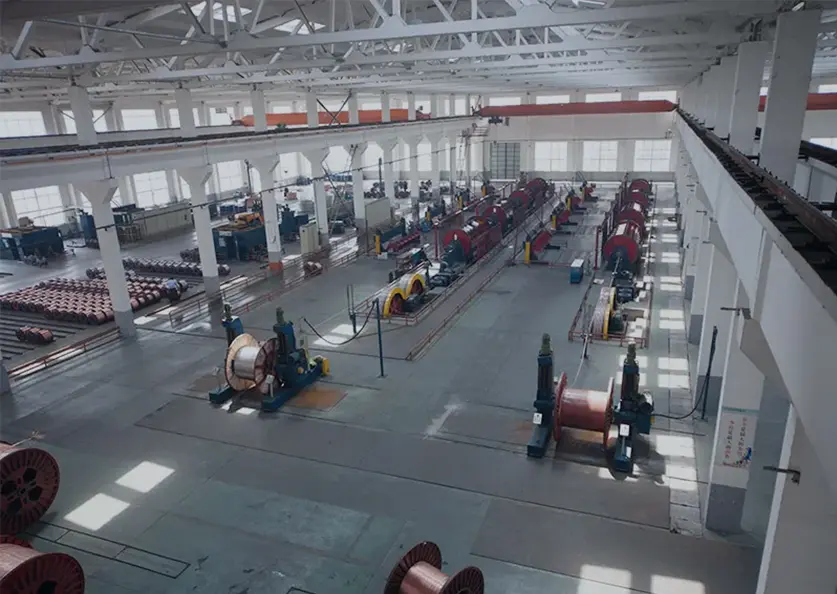
Wuxi Linde Cable Co., Ltd. represents the pinnacle of Chinese manufacturing efficiency. Founded in 2006, our facility in Wuxi, Jiangsu, leverages the world's most robust industrial ecosystem for copper processing and polymer insulation.
Years of Expertise
Production Lines
Patents & IP
IEC Standard Compliance
In high-density urban areas like Thailand’s logistics parks, Linde Cable provides fire-resistant and flame-retardant cables to support e-commerce live broadcast bases and storage centers, ensuring 24/7 uptime for EV fleets.
In Pakistan’s desert regions, temperature swings of 40°C between day and night cause cable aging. Our customized PV cables are engineered for high UV resistance and thermal stability, spanning thousands of kilometers in Sindh and Balochistan.
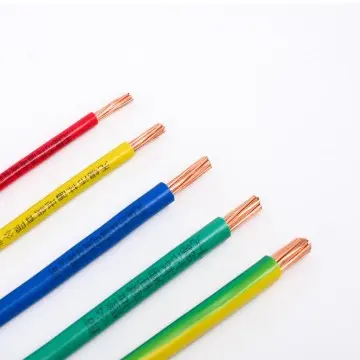
In Brazil, we've supported the integration of renewable energy into the national grid across 10 states, involving 1,930km of cabling. Our 60227 IEC 10 BVV cables are critical for secondary power stations and distribution networks.
The industry is moving toward Higher DC Voltages (1500V and above) to reduce transmission losses. Furthermore, the integration of Smart Monitoring within the cable insulation—allowing for real-time heat and fault detection—is the next frontier for "Solar for Charging" safety.
Brazil National Grid: Investment of over US$600 million, integrating 9 cable lines across 10 states into the Brazilian national grid.
Indonesia CIMC TEMSA: Provided fire-resistant cables for a massive manufacturing plant, supporting stable power and technology transfer.
Hunan Luci Expressway: Replacement and maintenance of over 70km of electromechanical cables for the China Railway project.
Thailand Cross-Border Highway: Focus on charging piles and service center power supply networks with an investment in the billions of RMB.
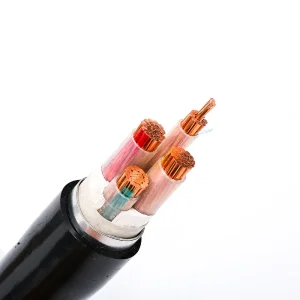
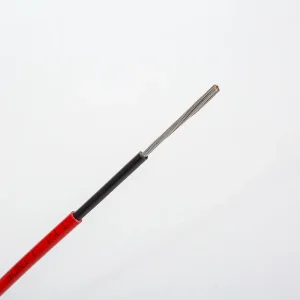
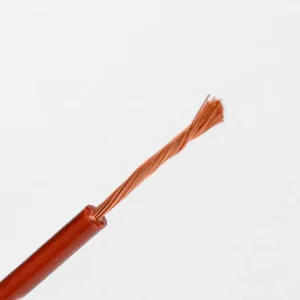
Photovoltaic cables are designed specifically for DC current and outdoor exposure. Unlike standard wires, they feature double insulation, cross-linked materials (XLPO) for UV resistance, and the ability to operate in extreme temperatures ranging from -40°C to +120°C.
IEC 60227 is the international standard for PVC insulated cables with rated voltages up to 450/750 V. Compliance ensures that the cables have passed rigorous tests for electrical resistance, tensile strength, and insulation thickness, which are critical for the safety of EV charging stations.
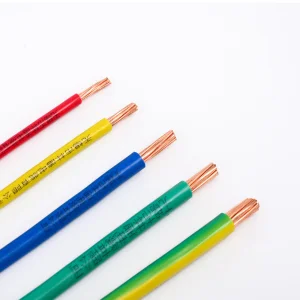
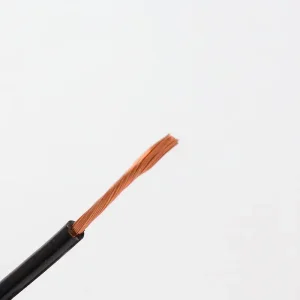
We provide "Precisely Adapting" services. This includes adjusting conductor flexibility (Class 5 vs Class 2), insulation colors for regional codes, and adding flame-retardant (FR-PVC) or low-smoke halogen-free (LSZH) properties based on the specific safety requirements of the destination country.
When properly installed according to IEC guidelines, our high-quality PV cables are engineered for a service life of at least 25 years, matching the standard operational lifespan of solar panels.
"Linde Cable's products perform very well in harsh environments, especially in terms of abrasion resistance and tensile strength. Their sales team anticipates our needs in advance." - Construction Partner, Africa
"We have been cooperating for 5+ years. The stability of their quality and timely after-sales service is what makes them our preferred supplier for medical complex projects." - China Construction Second Engineering Bureau
"Their technical advice on cable layout helped us save significant time and costs during the Indonesian new energy factory project." - Energy Infrastructure Group
 Linde Cable